At Ascot International School, education should prepare students for both life and learning. The IB Career-related Programme (IBCP) is a pathway for students in Years 12 and 13 who want to combine academic study with practical skills. It connects the rigour of the International Baccalaureate with real-world experience, helping students grow as learners and as people.
The IBCP is part of Ascot’s vision to support students in becoming confident, caring, and responsible global citizens. By the time they graduate, students are not only ready for university but also prepared to meet the challenges of today’s world.
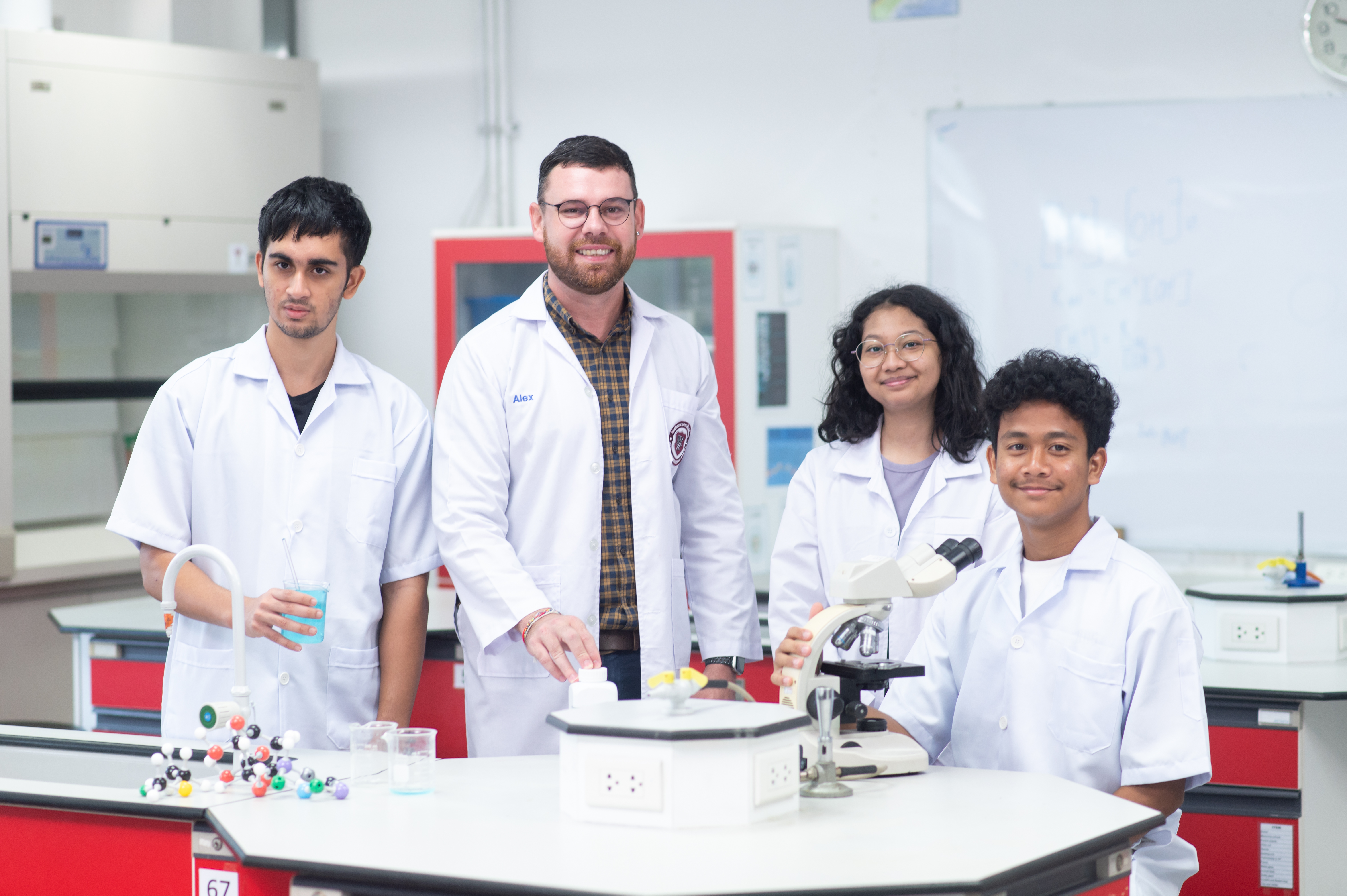
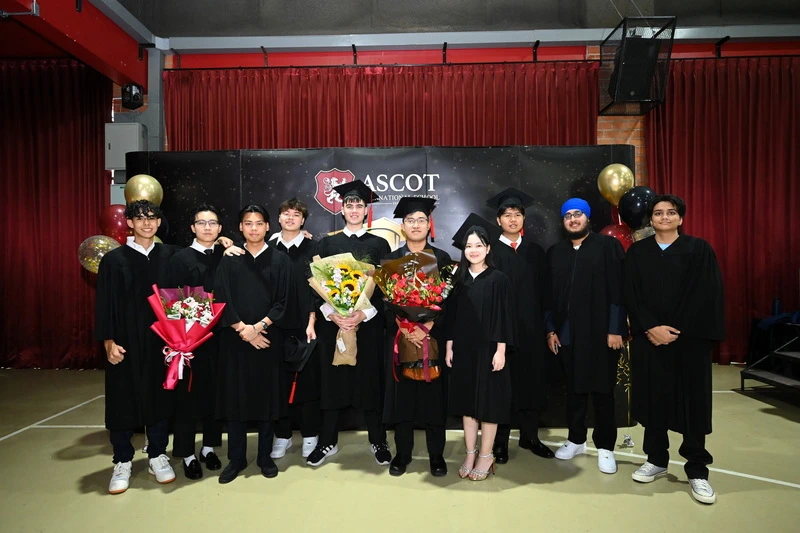
The IBCP is different from the traditional IB Diploma Programme. It is designed for students who want both academic knowledge and career-related learning. The programme includes three main parts:
Students take at least two courses from the IB Diploma Programme, such as Business, Mathematics, Languages, Sciences, or the Arts. This maintains a strong academic challenge and ensures recognition from universities.
Students follow a specialised course in an area connected to their interests and future goals. This enables them to acquire practical knowledge and develop workplace skills.
The Core brings everything together and includes: Personal and Professional Skills (PPS): building teamwork, communication, and ethical thinking. Community Engagement: taking part in projects that support the community. Language and Culture Studies: improving an additional language for global competence. Reflective Project: researching an ethical issue related to their career studies.
The IB Career-related Programme (IBCP) is an excellent pathway for students who want to prepare for both university and the professional world. It combines academic challenge with real-world learning, providing students with the best of both worlds. Through IB Diploma subjects, students acquire a strong foundation in academic knowledge. At the same time, career-related studies provide practical skills and experiences that help them stand out in their future careers.
At Ascot, we believe in the power of collaboration. That is why we partner with leading institutions to offer students meaningful and professional learning opportunities. These partnerships make the IBCP unique and give students the chance to connect what they learn in class with real-life contexts, preparing them to be adaptable, responsible, and globally minded individuals.
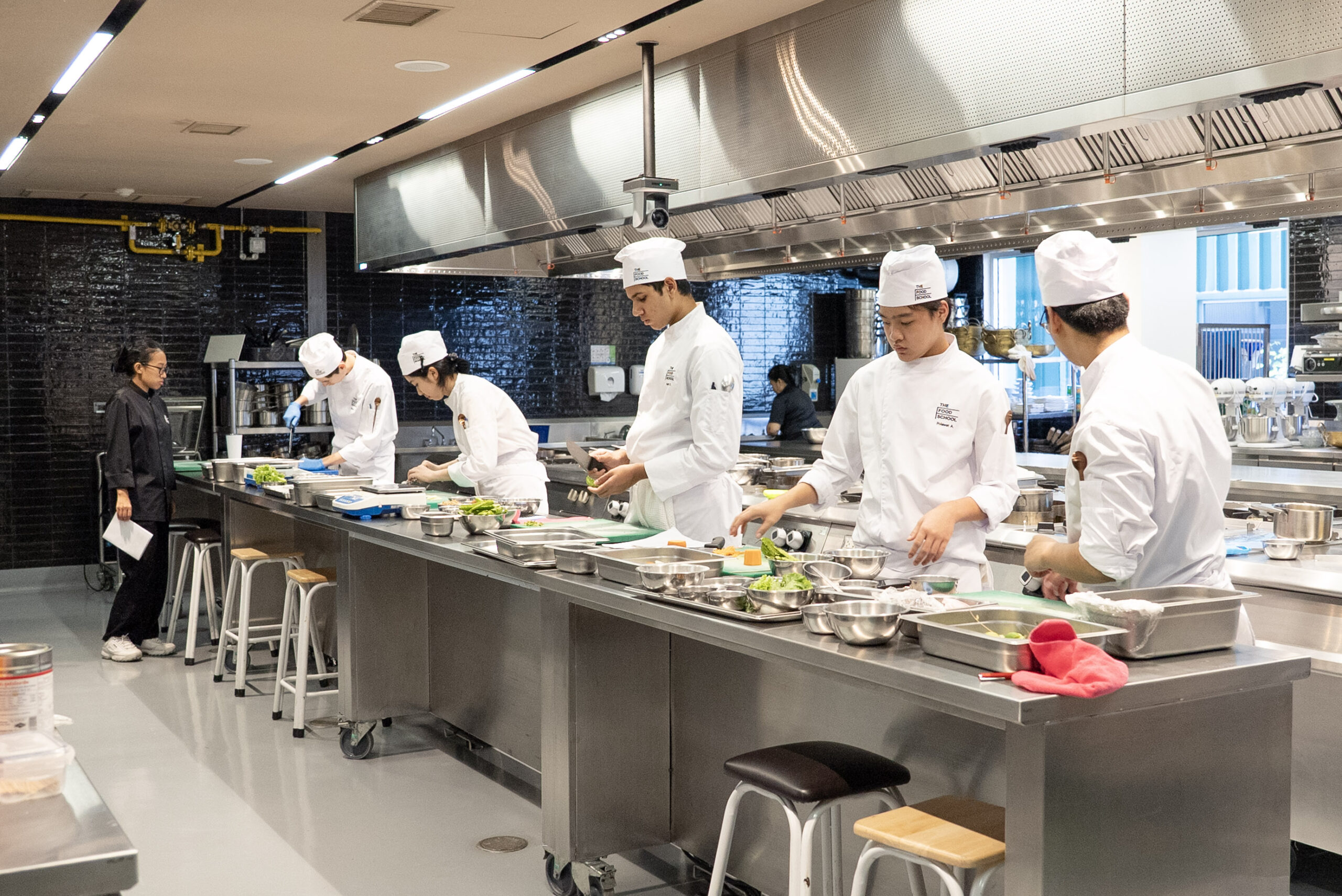
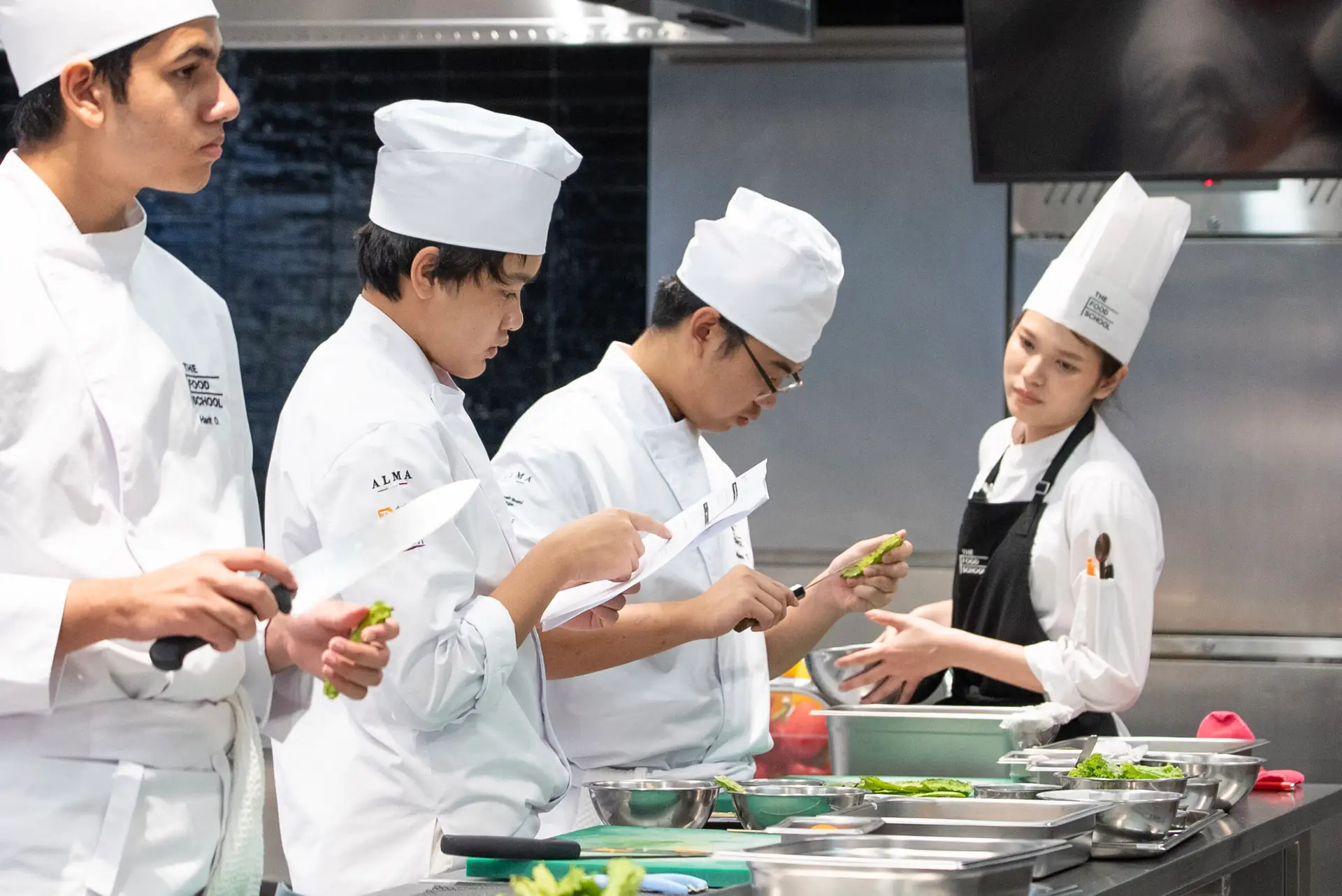
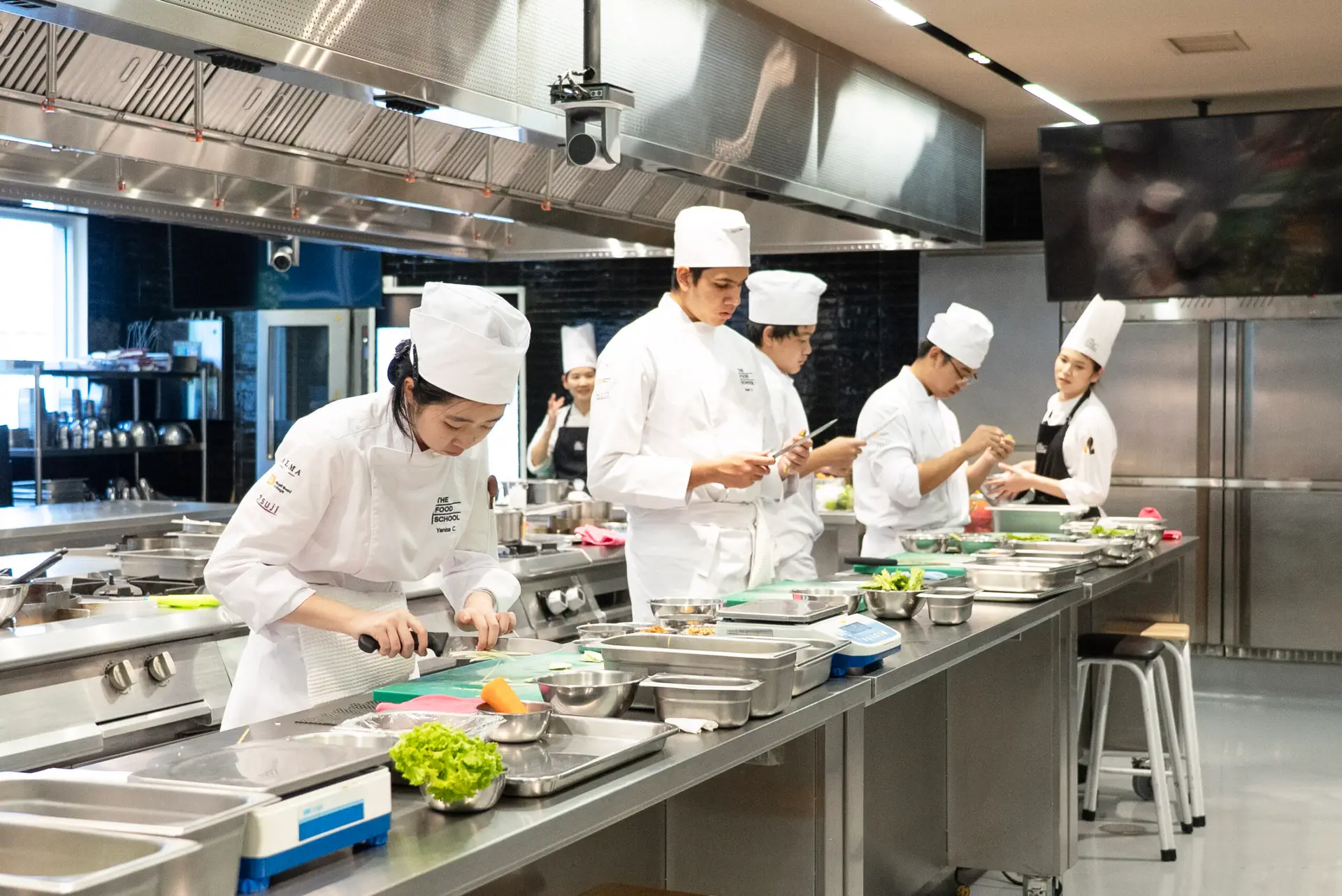
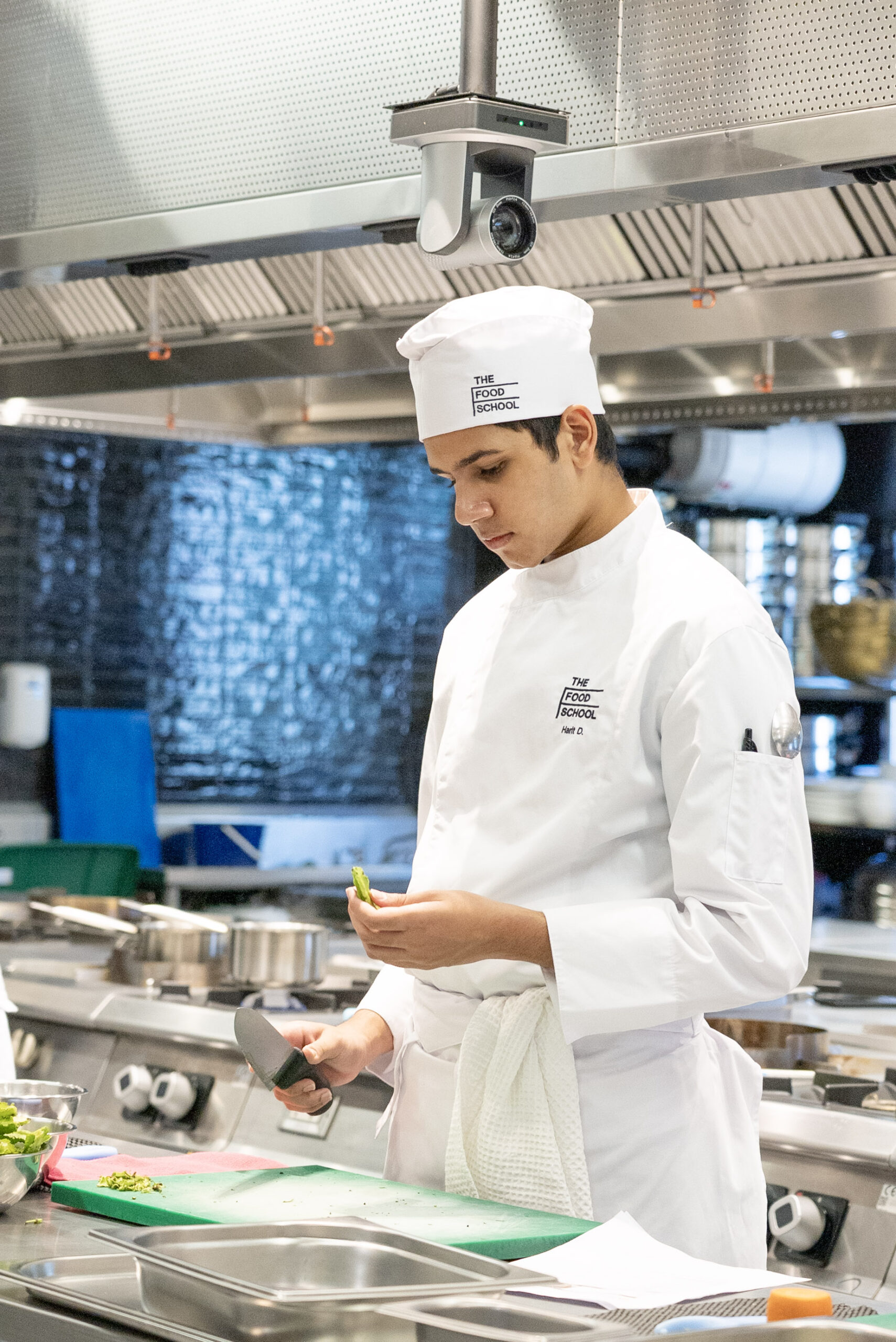
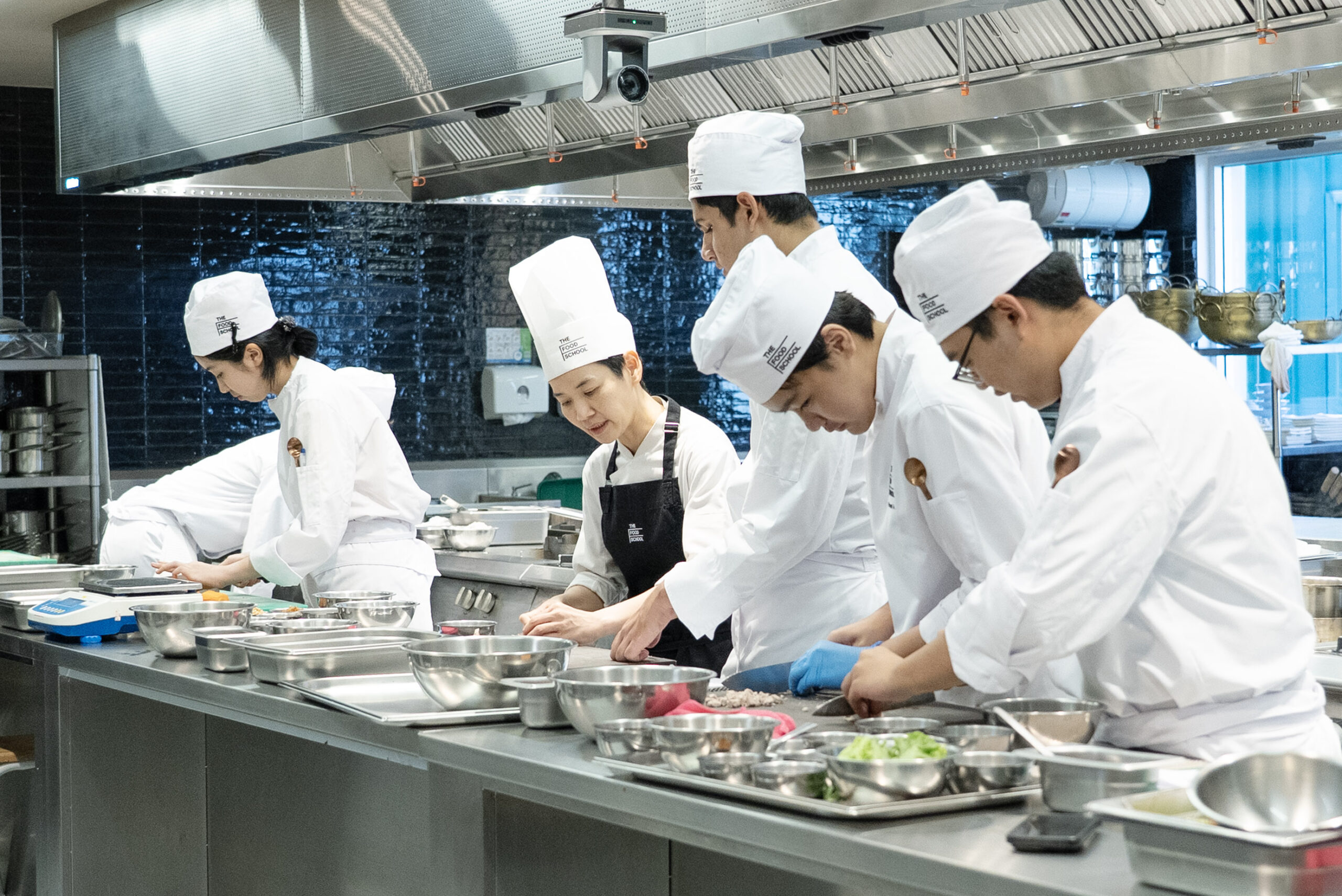
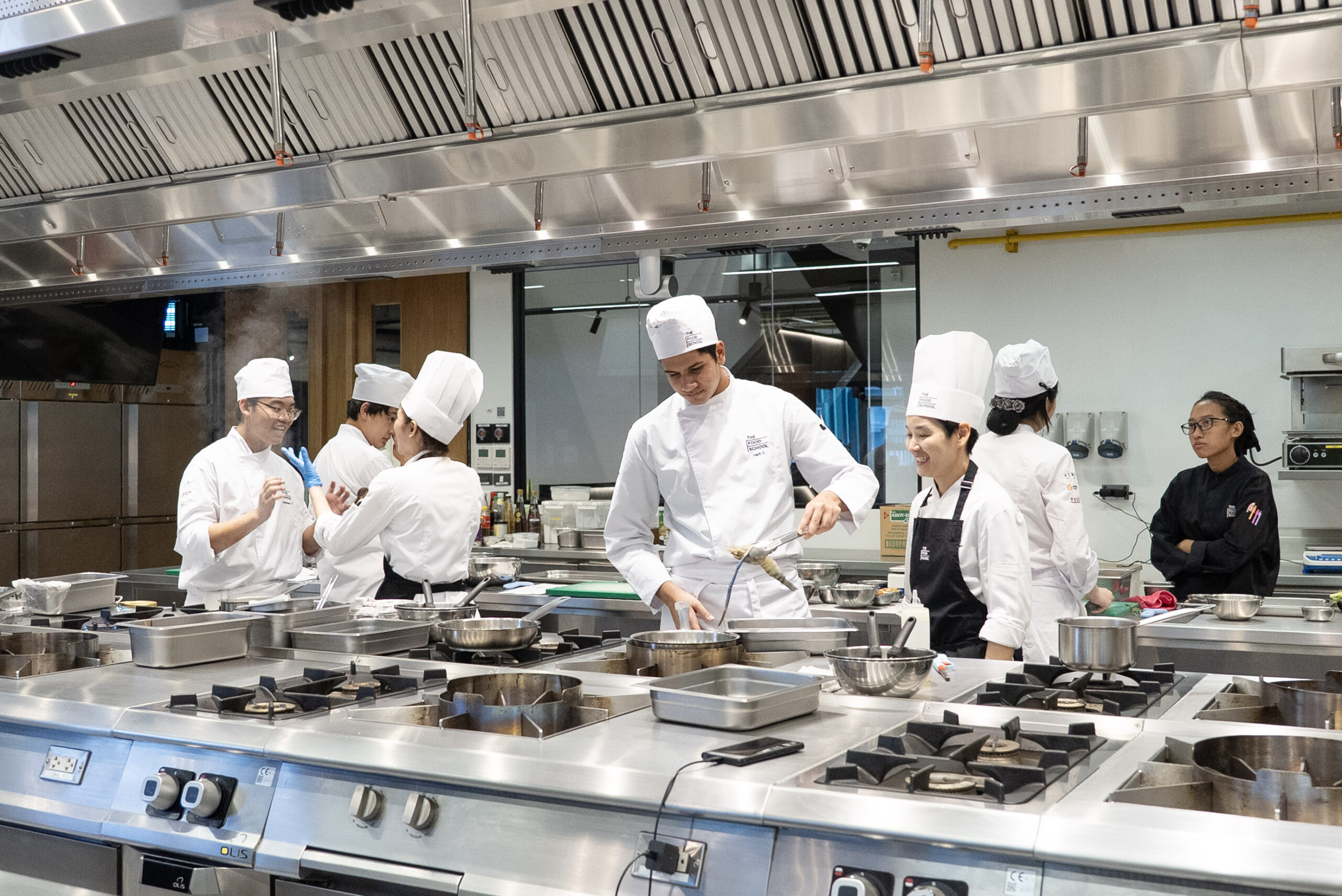
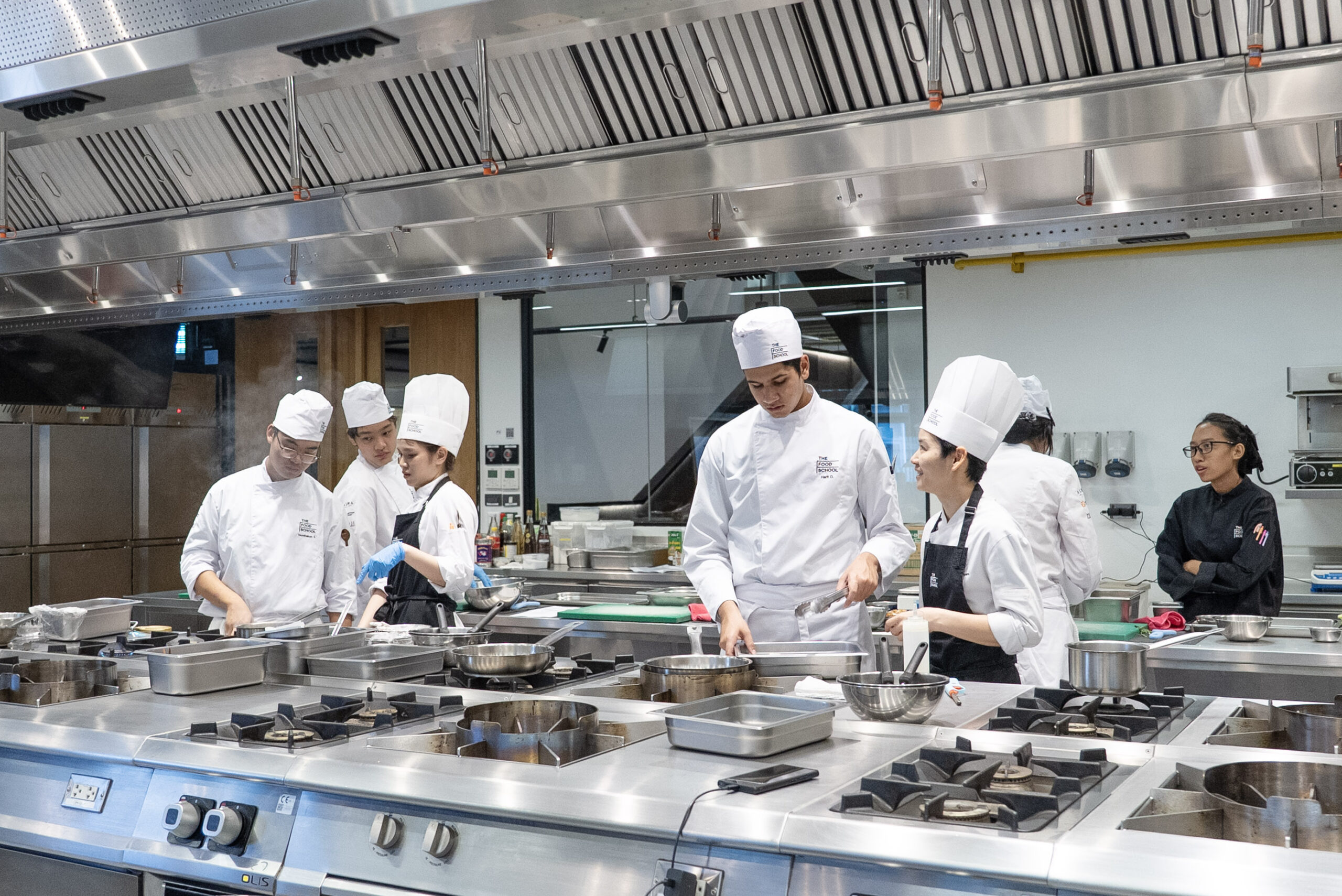

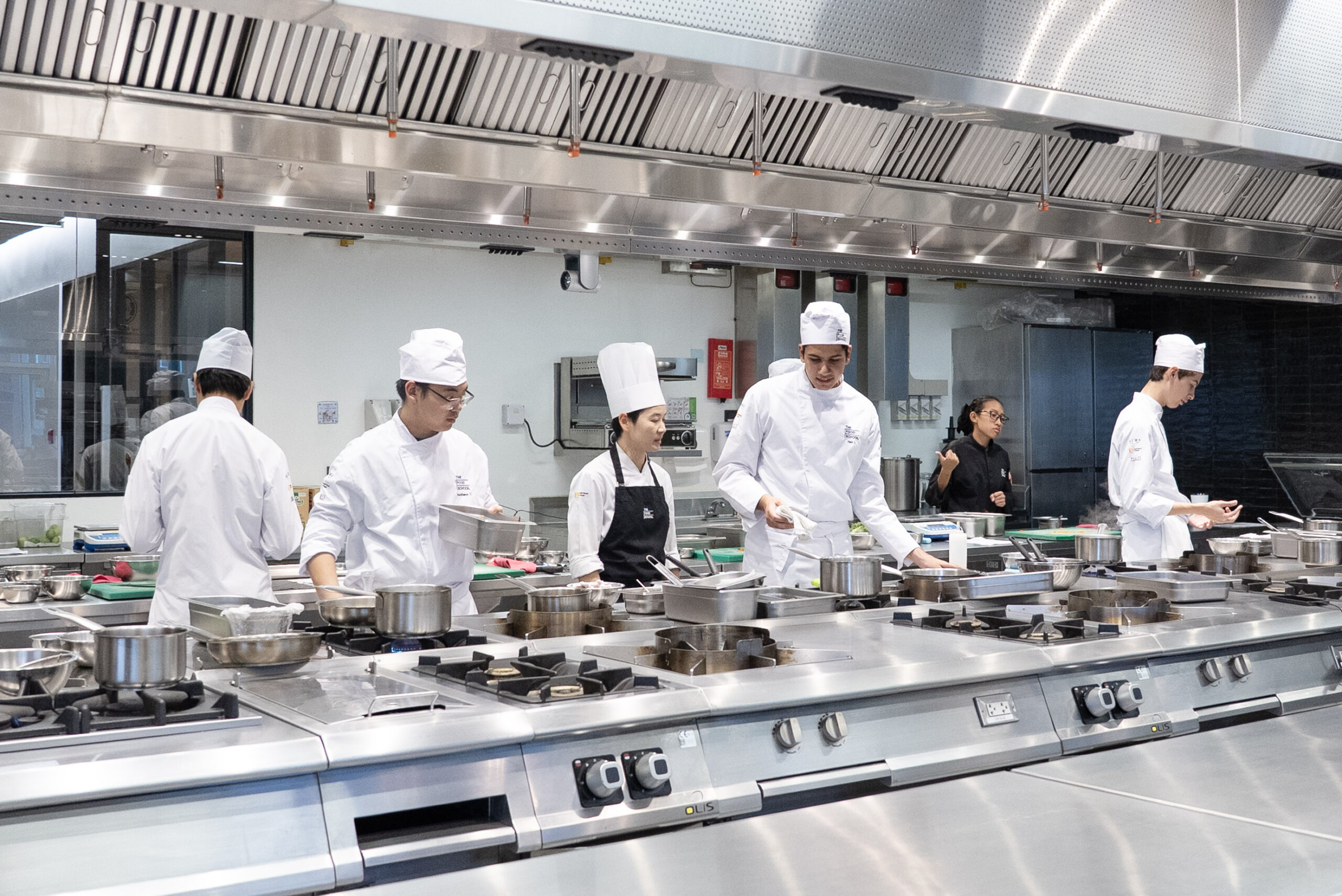
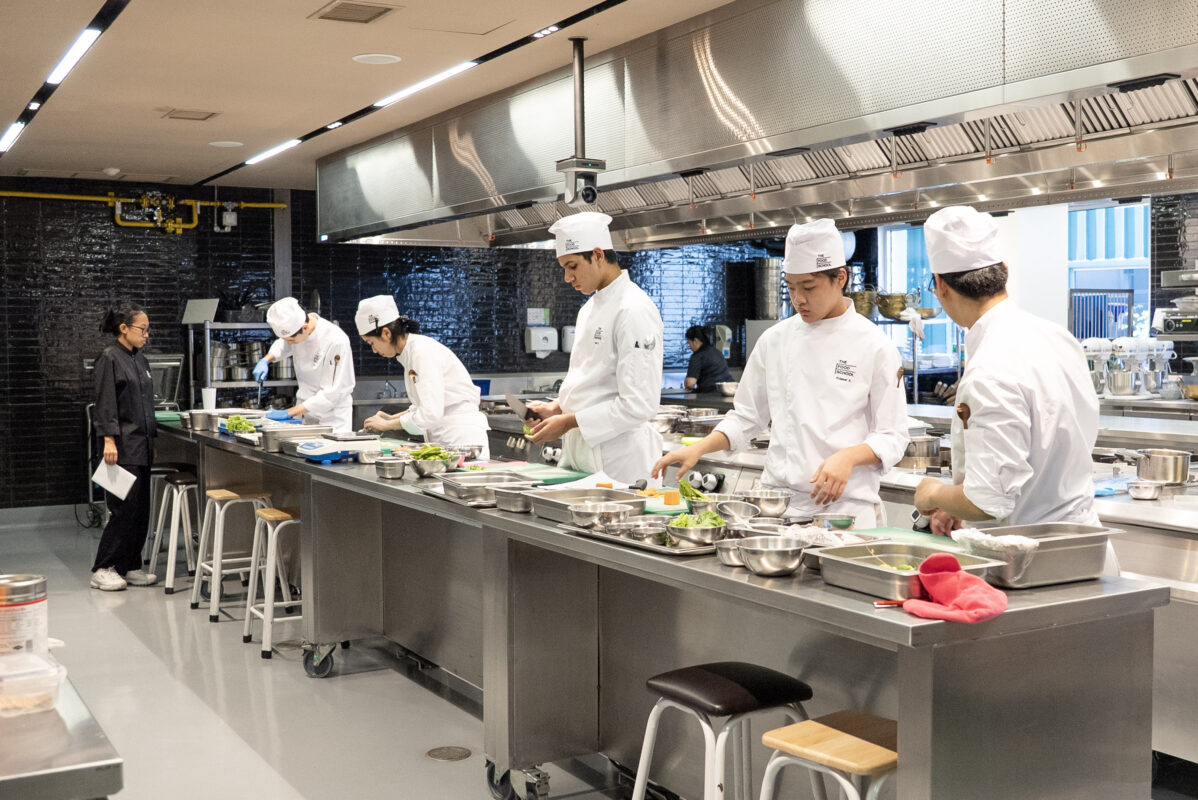
Through our collaboration with The Food School Bangkok, students are introduced to the dynamic world of hospitality, culinary arts, and food business management. They learn not only how the industry works but also how creativity, teamwork, and innovation play a role in professional kitchens and hospitality settings. This hands-on experience helps students understand the value of discipline, customer service, and entrepreneurial thinking.
With SUMAS, students focus on the area of Business and Sustainability. This programme helps them explore how business decisions can support both profit and responsibility to people and the planet. Students develop leadership, management, and problem-solving skills while also learning to think about long-term impact. These qualities are essential in today’s world and are highly valued by universities and employers alike.

At Ascot, teaching and learning in the IBCP follow the same high-quality standards as all our programmes. The methods are:
Learning in the CP is not only about passing exams. It is about building character, resilience, and confidence. Our goal is to help students become lifelong learners who are ready to adapt to a changing world
The IBCP is designed for students in Years 12–13 who want to: Continue to excel in strong academic learning in IB Diploma subjects. Gain career-related studies that prepare them for future jobs. Acquire practical skills such as teamwork, problem-solving, and leadership. Study topics connected to real-life issues, such as sustainability and global responsibility.
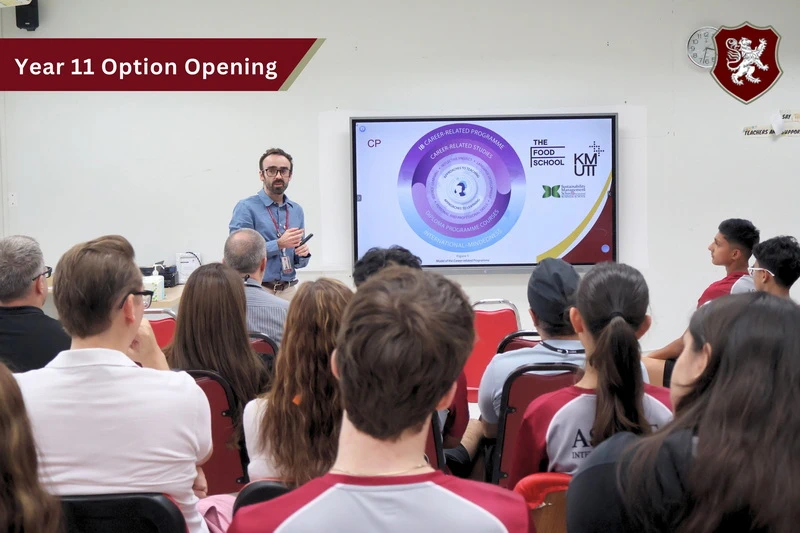
The IBCP gives opportunities to many types of learners. Some students are very academic, while others are more practical or creative. The programme is flexible enough to include both. By the end of the two years, students are ready to enter universities, start internships, or even launch their own projects with confidence.
The CP enables students to:
From the actual phase from IBO.org https://www.ibo.org/programmes/career-related-programme/curriculum/
Students complete at least two DP courses in any of that programme’s subject groups. DP courses provide and enhance the theoretical underpinnings and academic rigour of the CP.
The CP core components give context to the DP courses and the career-related study, drawing all aspects of the framework together. Through the CP core, students develop personal qualities and professional skills, as well as intellectual habits required for lifelong learning.
Each school chooses the career-related study most suited to local conditions and the needs of its students. The career-related study must satisfy IB criteria for accreditation, assessment and quality assurance.
One of the biggest questions about the IB Career-related Programme is: “Will universities accept it?” The answer is yes. The IBCP is officially part of the International Baccalaureate (IB) family of programmes, and it is recognised by many universities around the world.
Because the IBCP includes at least two IB Diploma subjects, universities understand the academic strength of the programme. Students show that they can succeed in higher-level study while also developing practical skills. The additional career-related studies through our collaborative partners make the programme even more attractive, because universities see that students have experience in areas like sustainability, leadership, and management. These are topics that connect directly to future courses and careers.
In fact, more and more universities value students who are not only strong in academics but also prepared for the real world. The Reflective Project, Service Learning, and Personal and Professional Skills give IBCP graduates an advantage. They are able to write strong personal statements, show evidence of critical thinking, and demonstrate that they can balance academic work with community projects.
We are here to answer all your questions. Please do not hesitate to contact us for more information.
?
All classes are conducted in English, except for specialist lessons such as Thai and Mandarin.
To calculate specific age requirement for each year group, please refer to our Student Age Criteria page or contact our Admissions Office to assist you.