
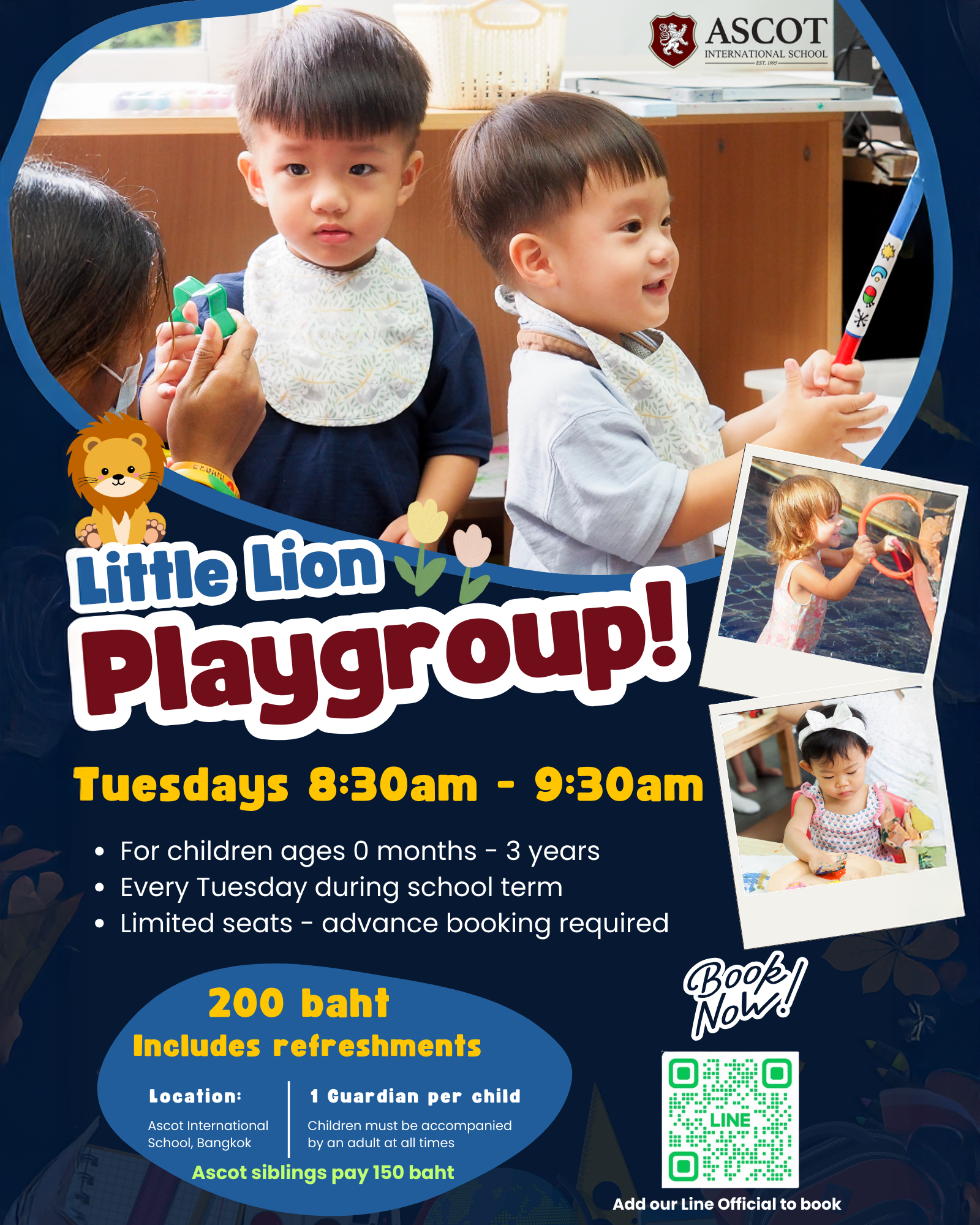
International playgroup in Bangkok at Ascot International School
International playgroup in Bangkok at Ascot International School If you
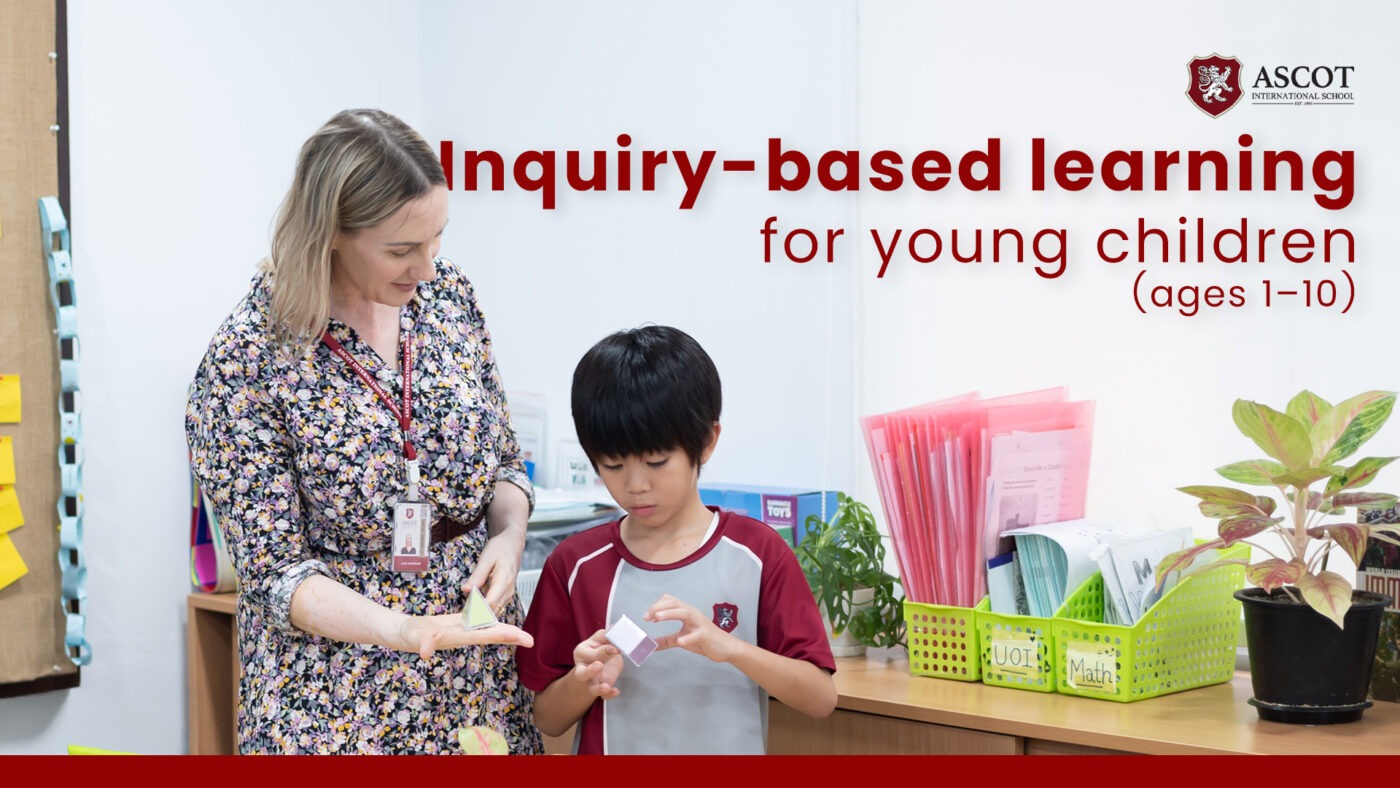
Inquiry-based learning is one of the strongest ways to help young children grow with confidence, curiosity, and joy. At Ascot International School, this approach supports our belief that every child learns best when they feel safe, included, and excited to explore the world around them. Students are encouraged to ask questions, investigate ideas, and build understanding step by step through ask – explore – discover – reflect, helping them become aware, engaged, and world-ready learners.
This style of learning fits naturally with how young children think. They observe, imagine, wonder, and test their ideas through play and social interaction. When teachers guide this process with care, children become active learners who enjoy discovering new knowledge.
Inquiry-based learning is a method where children learn by asking questions and investigating ideas. Instead of only receiving information, young learners are invited to explore topics that spark their curiosity. Teachers and students work together to build understanding through open-ended questions, hands-on activities, and real-world connections.
In the early years and primary years, this helps children develop:
This approach builds a strong foundation for lifelong learning, supporting Ascot’s mission to nurture adaptable and responsible learners.
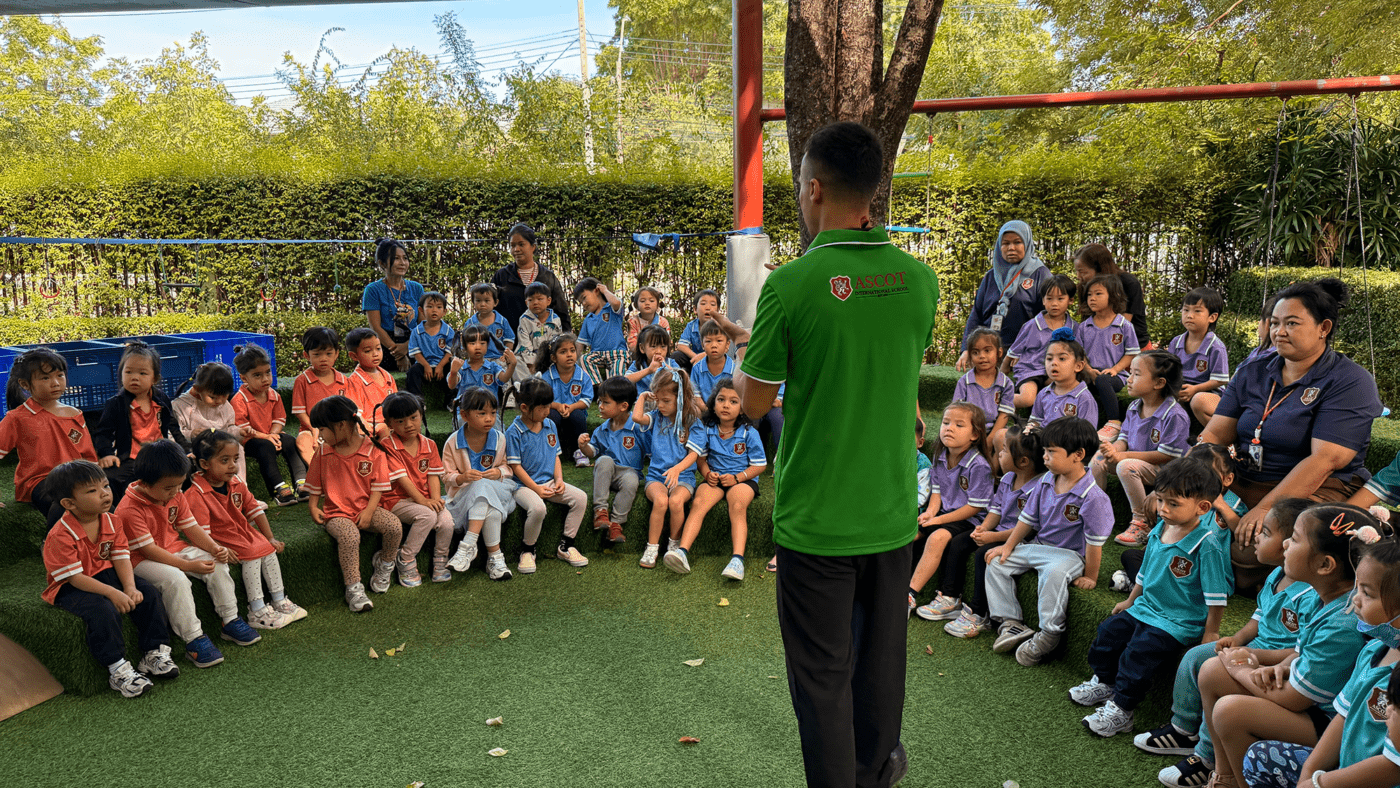
Traditional learning often focuses on memorising facts, listening to the teacher, and completing worksheets. Children follow instructions and move through lessons at the same pace.
Inquiry-based learning shifts the focus. Children play an active role, explore ideas, and connect learning to meaningful experiences.
Traditional learning | Inquiry-based learning |
Teacher gives information | Children and teachers explore together |
One answer, one method | Many ways to learn and understand |
Less connection to real life | Strong real-world application |
Focus on memorising | Focus on thinking, questioning, and discovering |
Same path for all students | Meets diverse needs and interests |
Inquiry learning supports children’s wellbeing, independence, and motivation because they feel valued and engaged throughout the process.
Integrated learning connects different subjects (like science, maths, language, and art) into one meaningful theme. For example, a theme about plants may include measuring plant growth, reading stories about nature, drawing leaves, and discovering how seeds grow.
Inquiry-based learning focuses on the student’s questions and the learning process. Children lead their learning by asking, exploring, and reflecting.
When combined, both approaches become powerful. Integrated learning gives structure and meaningful context, while inquiry-based learning gives ownership and depth. Together, they help children make strong connections between subjects and real life.

Parents often choose inquiry-based learning because it supports both academic growth and personal development. It helps children build important skills such as communication, collaboration, responsibility, empathy, and creative thinking. These skills match Ascot’s values of respect, community, and belonging.
Inquiry learning is a good choice if you want your child to:
For young children in Bangkok, especially in an international environment, inquiry learning prepares them for the IB curriculum from Early Years to Year 13 and helps them become globally minded learners.
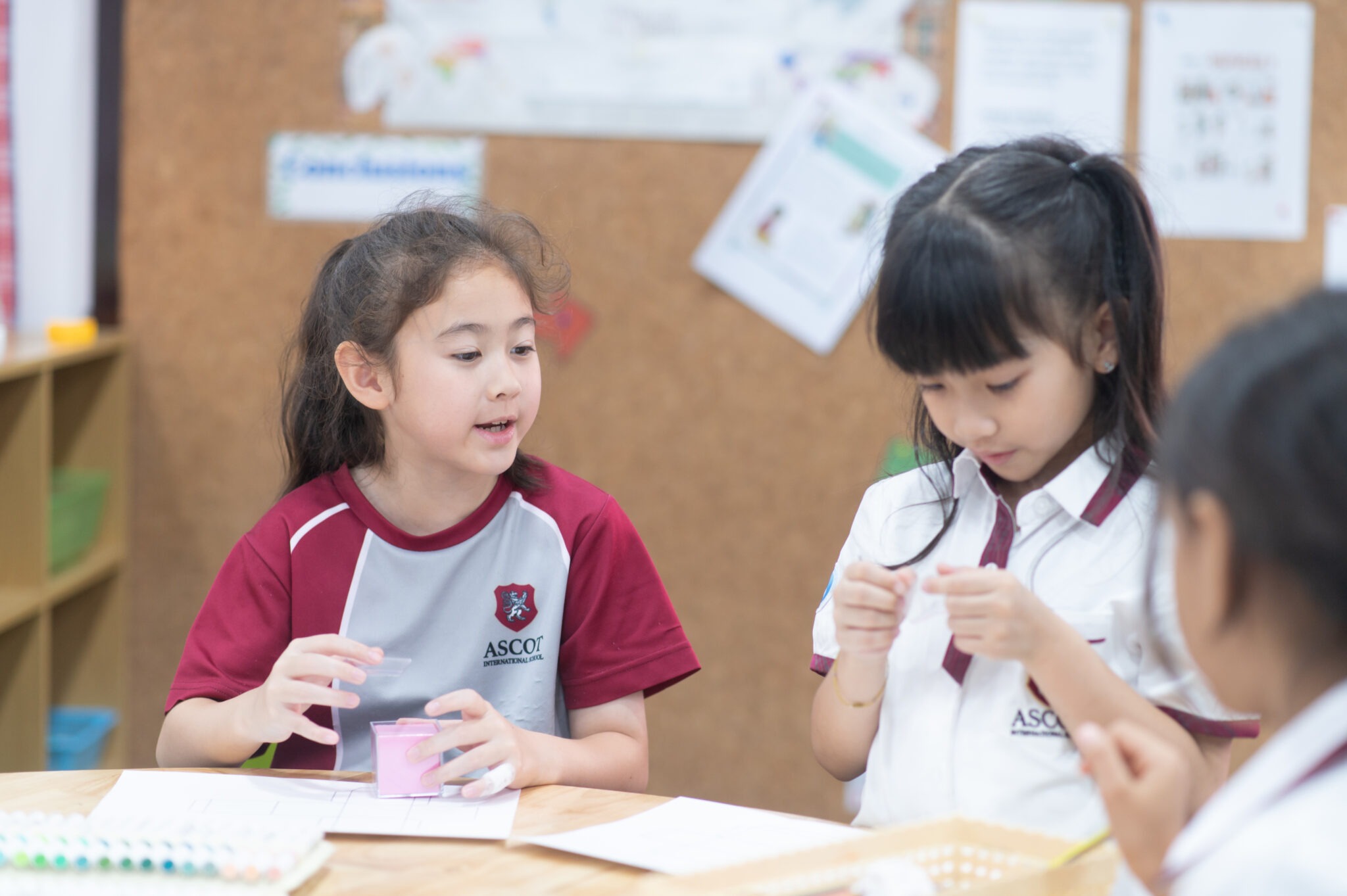
Starting inquiry learning early is important because ages 1–10 are key years for developing curiosity, language skills, emotional awareness, and cognitive growth. During this stage, children naturally learn through play, interaction, and exploration.
Early inquiry experiences help children:
Ascot’s philosophy highlights that learning experiences should support each child’s wellbeing, sense of belonging, and growth as a whole person.
Inquiry-based learning nurtures these qualities from the very beginning.
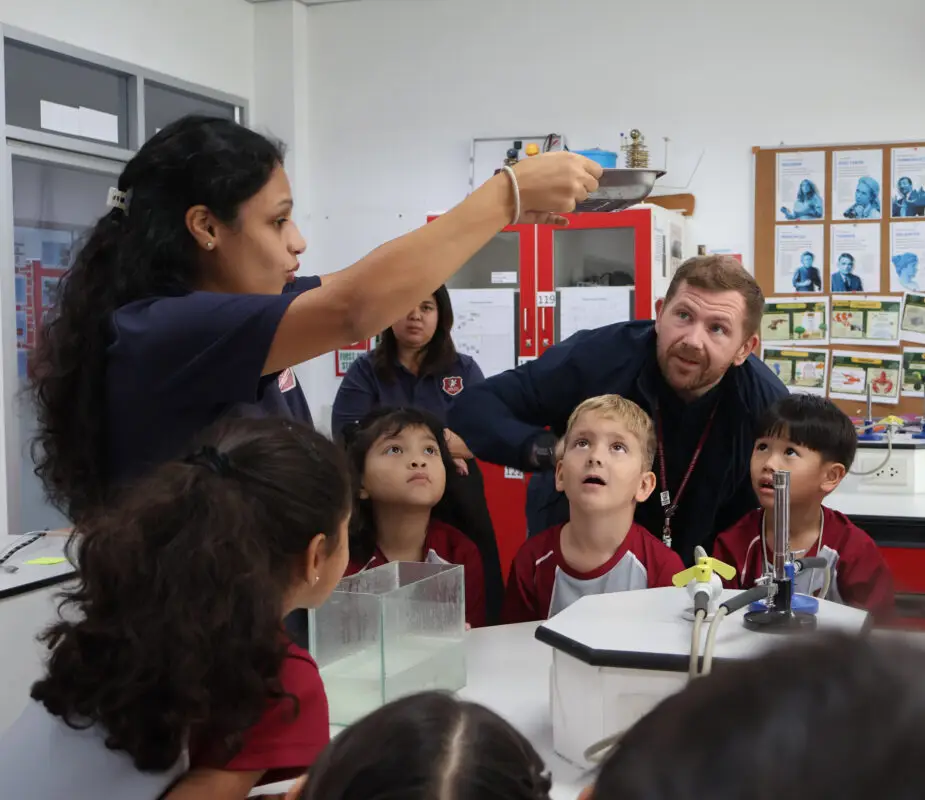
Inquiry-based learning gives young children strong foundations for both school and life. Because they learn through curiosity and active exploration, they naturally become more confident, creative, and independent. This approach supports the whole child, including their academic, emotional, and social development.
Inquiry-based learning also provides meaningful benefits for families. Parents gain clearer insight into how their child learns, grows, and builds confidence every day.
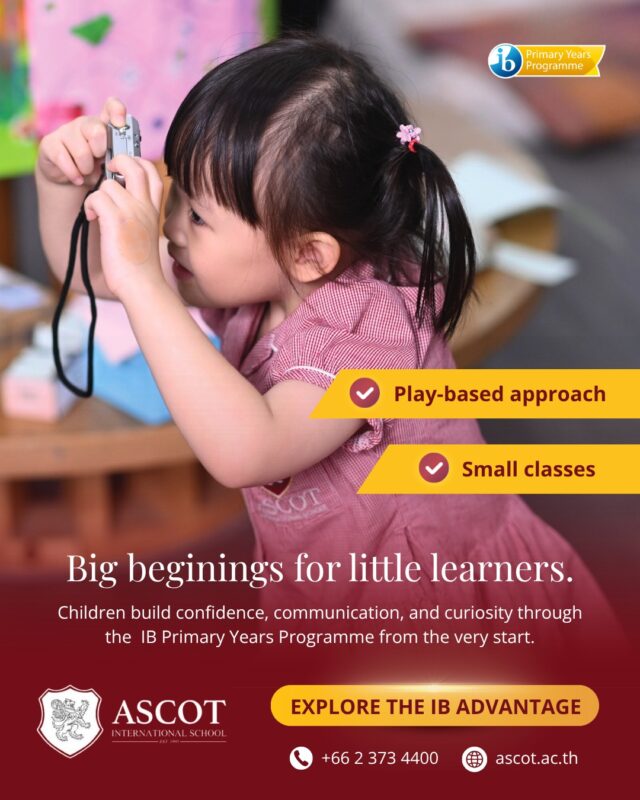
At Ascot International School, inquiry-based learning is at the heart of our Early Years and Primary Years Programme. Our caring teachers guide students through ask – explore – discover – reflect, helping them build the skills, confidence, and mindset they need for future success.
If you want your child to learn in a warm, inclusive, and globally minded community, we welcome you to visit us.
Discover how your child can thrive at Ascot.
Contact our admissions team today to learn more.
International playgroup in Bangkok at Ascot International School If you
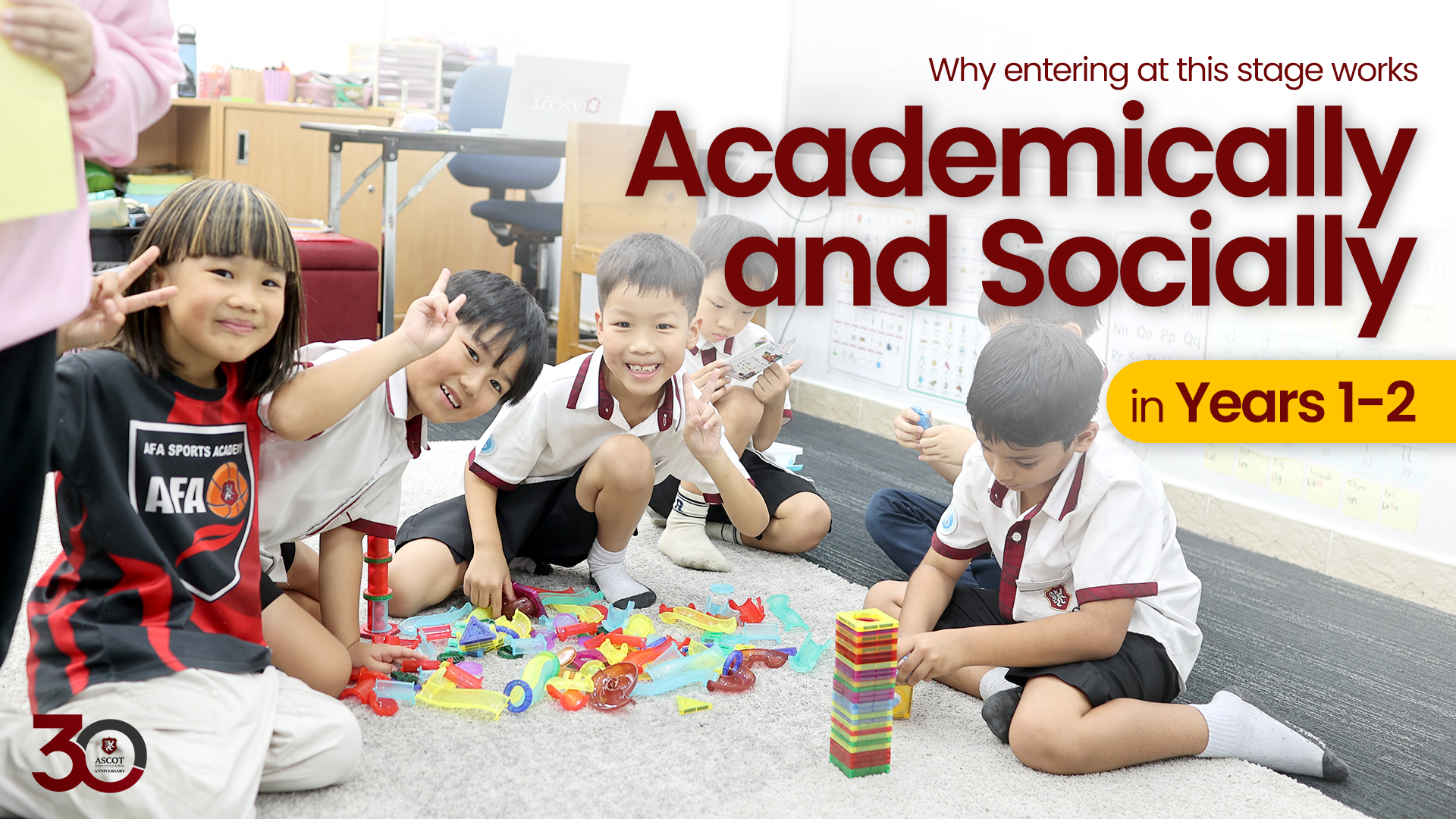
Why entering at this stage works academically and socially Choosing
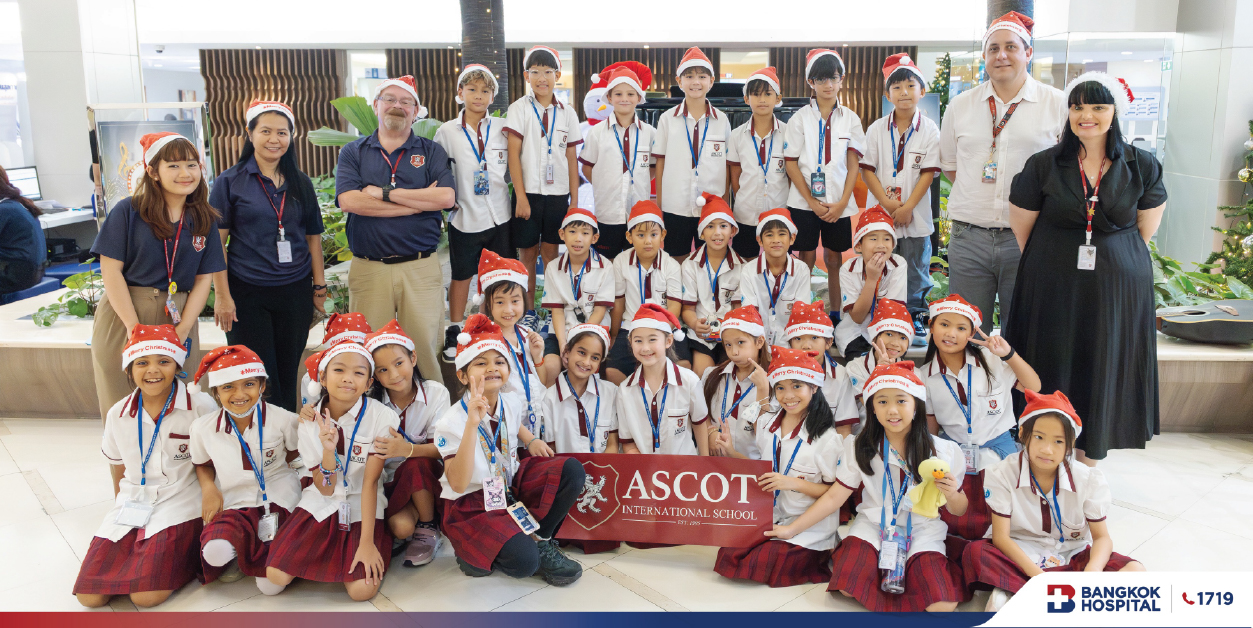
Year 4 students share Christmas joy with a carol performance