
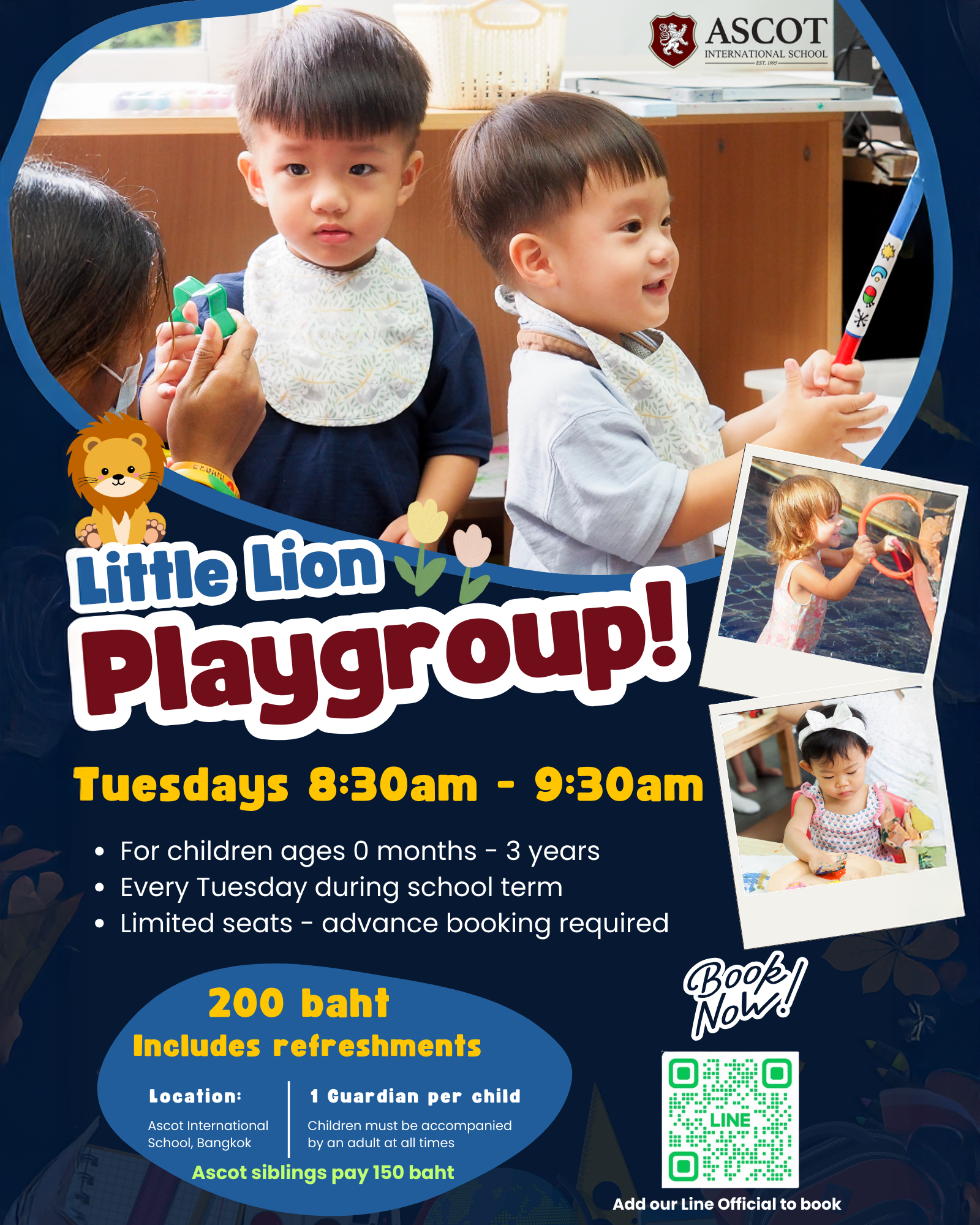
International playgroup in Bangkok at Ascot International School
International playgroup in Bangkok at Ascot International School If you

Play-based learning is a teaching approach that uses play as the main way for children to explore, discover, and learn about the world around them. Instead of sitting still and listening to long lessons, children are encouraged to play, ask questions, solve problems, and work together with others. Through games, role-playing, art, music, and movement, they develop not only knowledge but also important life skills.
At Ascot International School, play is not just for fun, it is a meaningful way for students to learn. Our educators carefully plan activities that are playful but purposeful. Whether it’s building blocks to understand maths or storytelling to explore language, play becomes the foundation of all learning.
The play-based learning method is used mainly in the Early Years stage, including Nursery, and Kindergarten (Pre-nursery). At Ascot, we follow the IB Primary Years Programme (PYP), which encourages inquiry-based learning starting from a very young age.
As students grow, the play-based style evolves into more structured forms of learning, but it still maintains creativity, exploration, and active participation. Even in the Middle Years Programme (MYP) and later in the IB Diploma Programme (DP), students are taught through real-life activities, projects, and collaborative tasks, continuing the spirit of discovery they developed early on.
This long journey from playful discovery in Nursery to deep inquiry in the IB Diploma is carefully designed to match each stage of a child’s development.
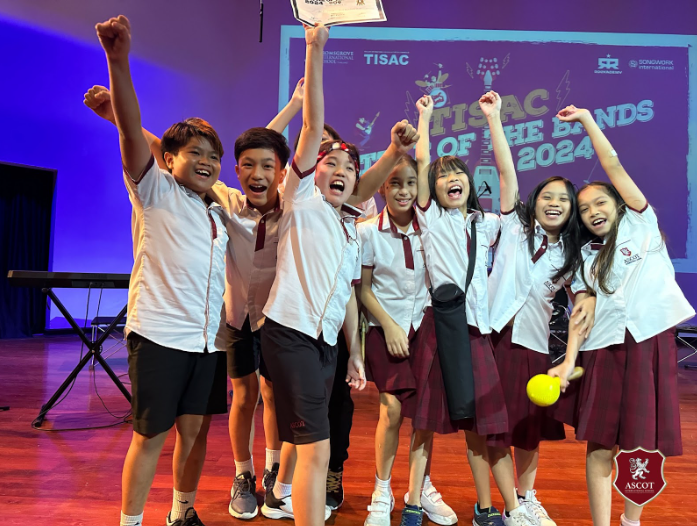
Play-based learning helps children become confident, independent learners. It builds curiosity and encourages them to think, question, and try new ideas. Instead of memorising facts, students learn how to find answers and understand concepts through experience.
This learning style also helps develop strong communication and social skills. Children learn how to express themselves, listen to others, and solve conflicts peacefully. They also become more creative and adaptable, skills that are valuable not only in school but also in life.
By making learning enjoyable, play-based education keeps children motivated and emotionally connected to their learning. They are more likely to stay engaged, take risks, and feel proud of their progress.
Play-based learning is more than just play, it supports children’s development across all key areas. Here are ten powerful ways it helps your child grow:
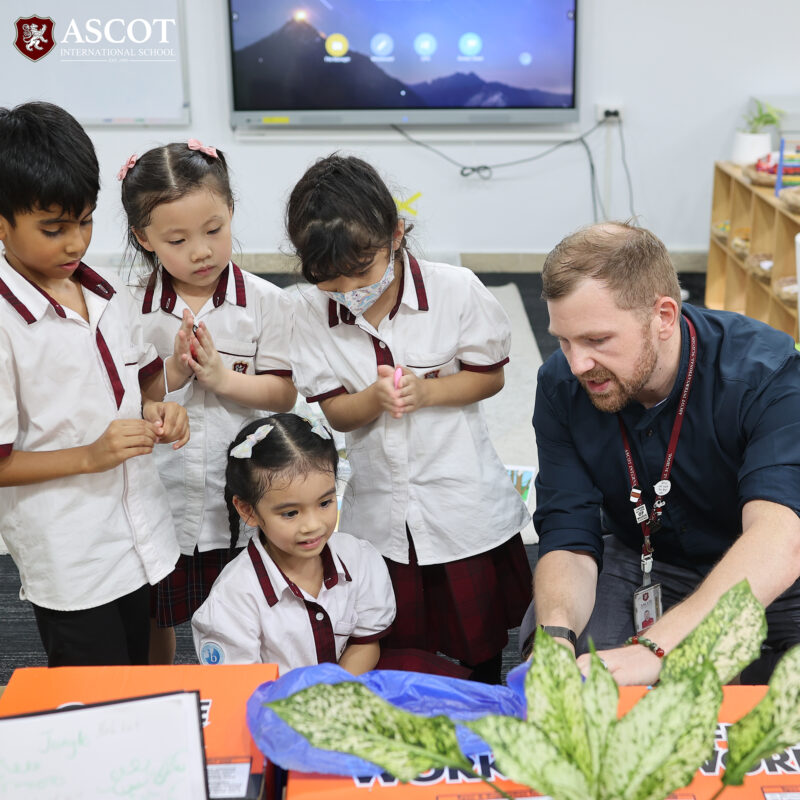
Children learn to share, take turns, cooperate, and work as a team. Group play helps them build friendships and understand different points of view.
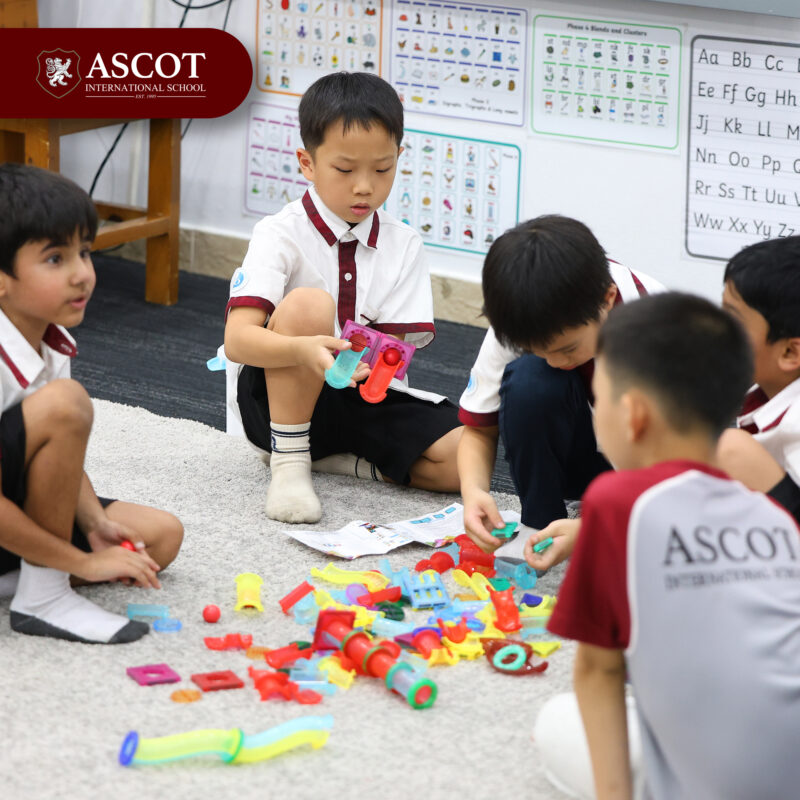
Play allows children to express feelings in a safe and healthy way. They learn how to manage emotions like frustration, joy, or fear while building confidence and self-control.
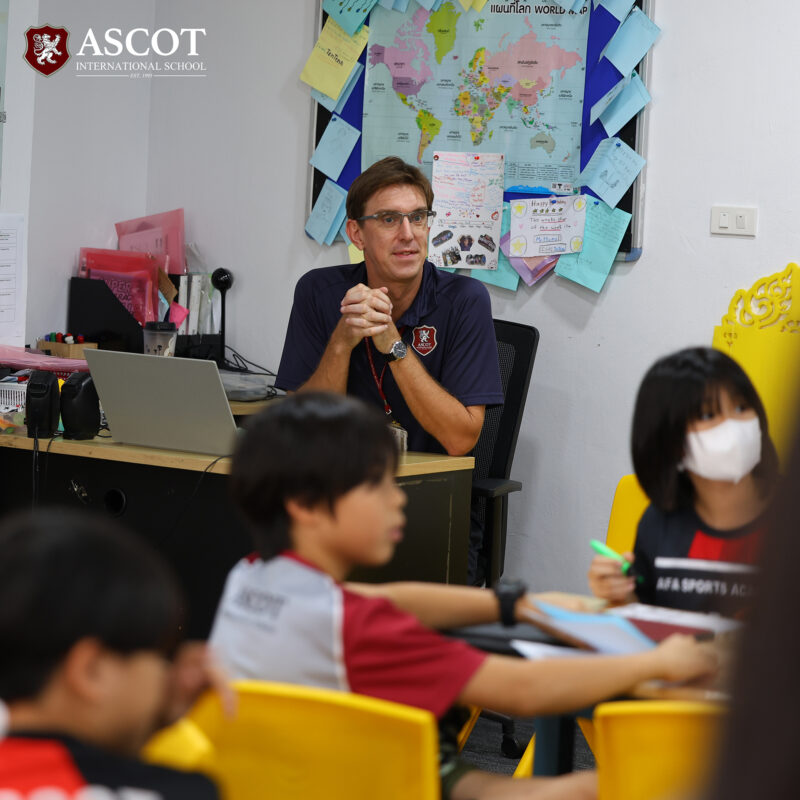
Through role-play, storytelling, and conversation, children improve vocabulary, sentence structure, and listening skills. It’s also a chance for them to practise different languages, especially for international students.
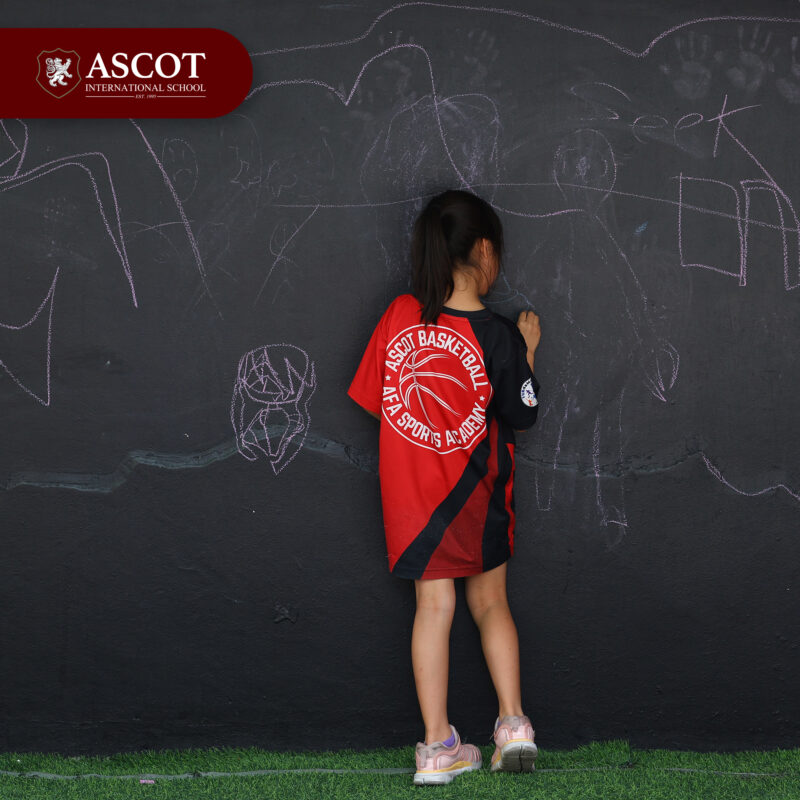
Play-based environments give students the freedom to create, imagine, and explore new possibilities. Whether they’re building a castle or inventing a story, they’re learning to think outside the box.
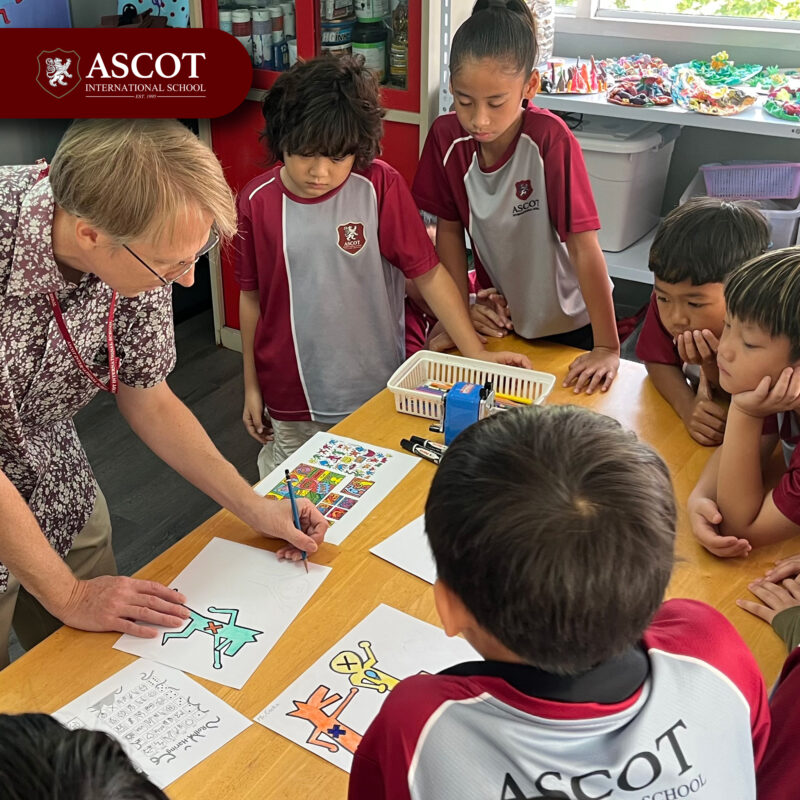
Children naturally face small challenges in play. Solving puzzles, negotiating roles in games, or building stable structures helps develop logical thinking and resilience.
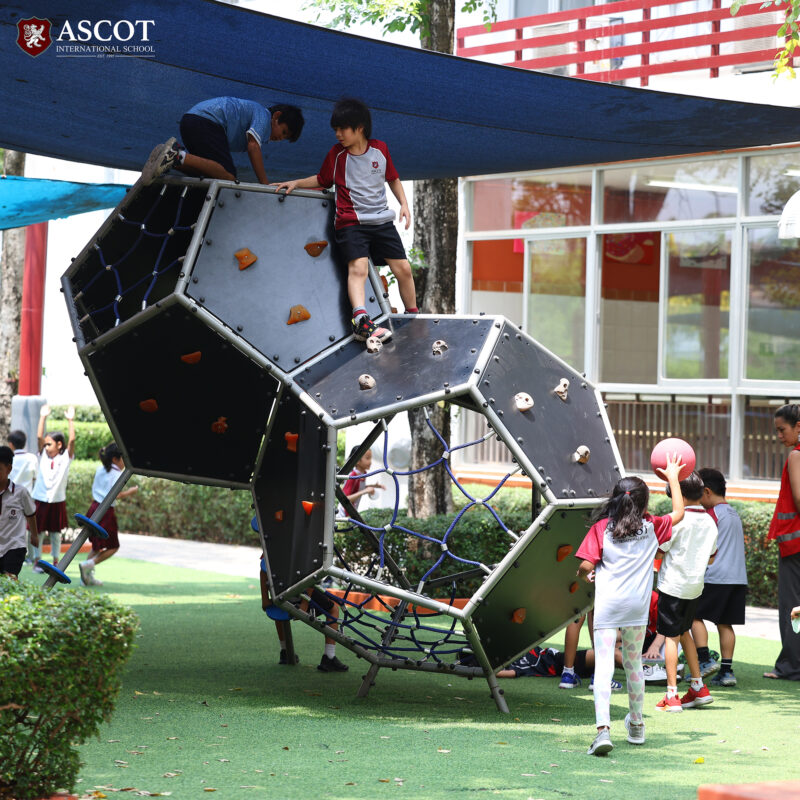
Climbing, running, drawing, dancing, all types of physical play improve motor skills, coordination, and body awareness. It keeps children healthy and active.
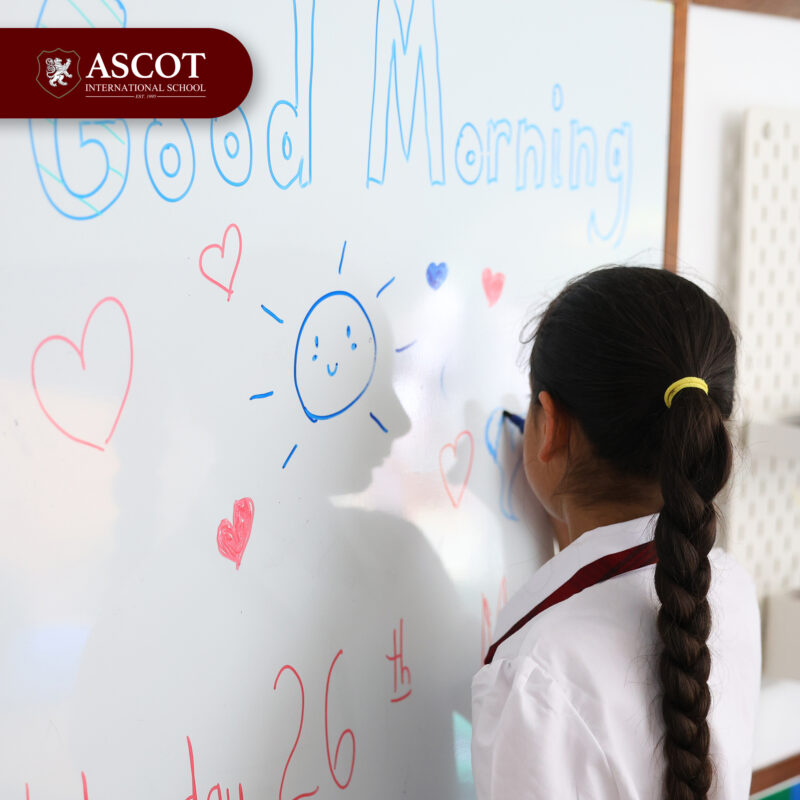
Play helps the brain make connections. Whether it’s recognising patterns, learning numbers, or exploring science through nature, children build understanding through hands-on activities.
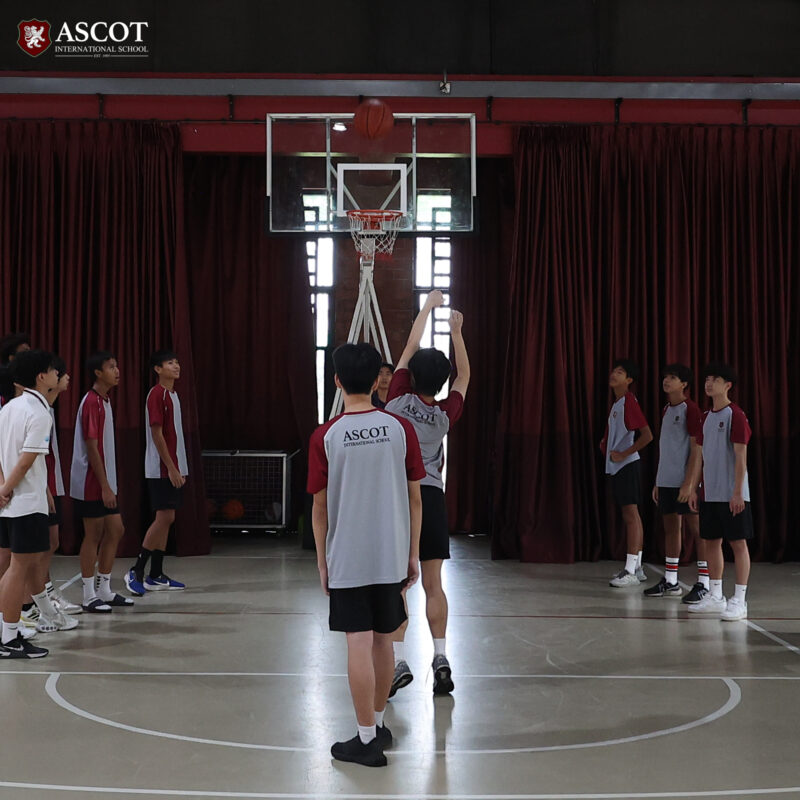
Children make choices during play of what to play, how to play, and with whom. These decisions boost their confidence and sense of responsibility.
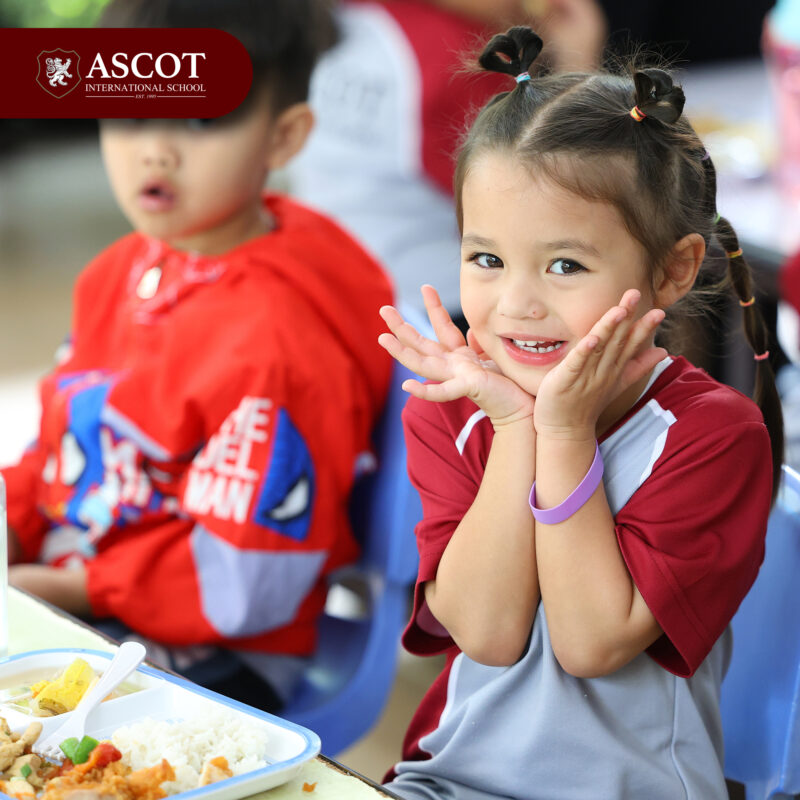
In a diverse community like Ascot, play-based activities allow students to share their own culture and learn about others. It builds respect and global understanding from a young age.
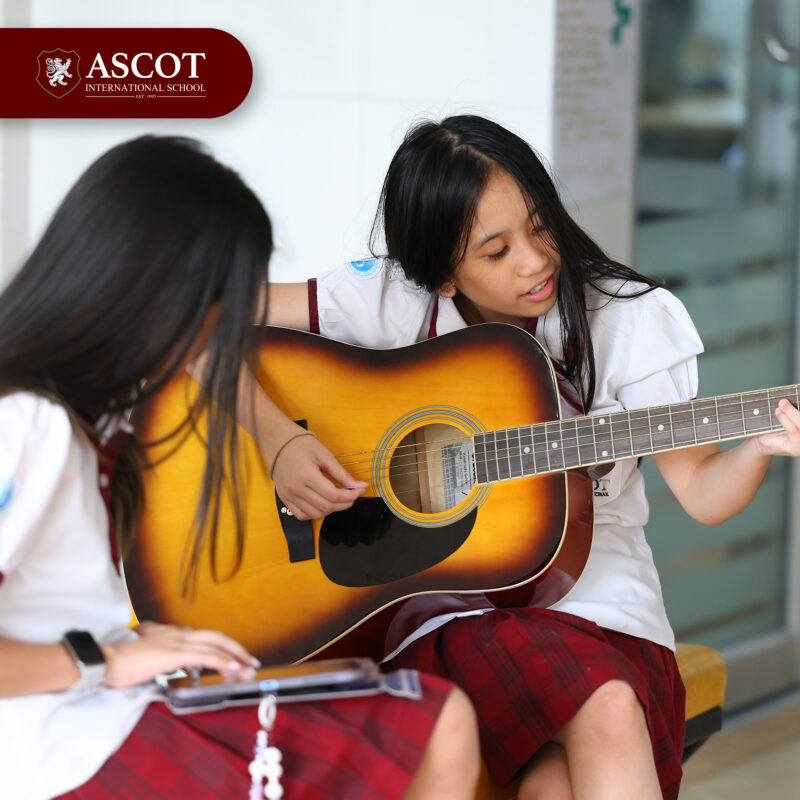
Most importantly, play-based learning creates a positive attitude toward school. When learning is joyful and meaningful, children develop a lifelong love for education.

From the moment your child steps into Nursery, Ascot International School provides a caring and stimulating environment. Our Early Years programme follows international best practices, with play-based learning at its heart. Teachers are trained to support each child’s individual journey, making sure every student feels seen, heard, and valued.
As students move through the Primary Years Programme (PYP), into Middle Years (MYP), and finally towards the IB Diploma, the playful spirit of learning continues. While the format changes, the foundation of curiosity, joy, and engagement remains strong.
Our school facilities, outdoor spaces, and classroom designs all support movement, creativity, and exploration. We believe children learn best when they are safe, happy, and inspired.
At Ascot, education is a journey that begins with play and grows into purpose. We understand that the early years shape everything that follows. That’s why we nurture every step from tiny hands building blocks in Nursery to confident learners preparing for university.
We don’t just prepare children for tests; we prepare them for life.
Come and discover how Ascot International School can support your child’s growth through play-based learning and beyond.
📞 Book a tour today or 📩 contact our admissions team to learn more about our Early Years and IB programmes.
International playgroup in Bangkok at Ascot International School If you
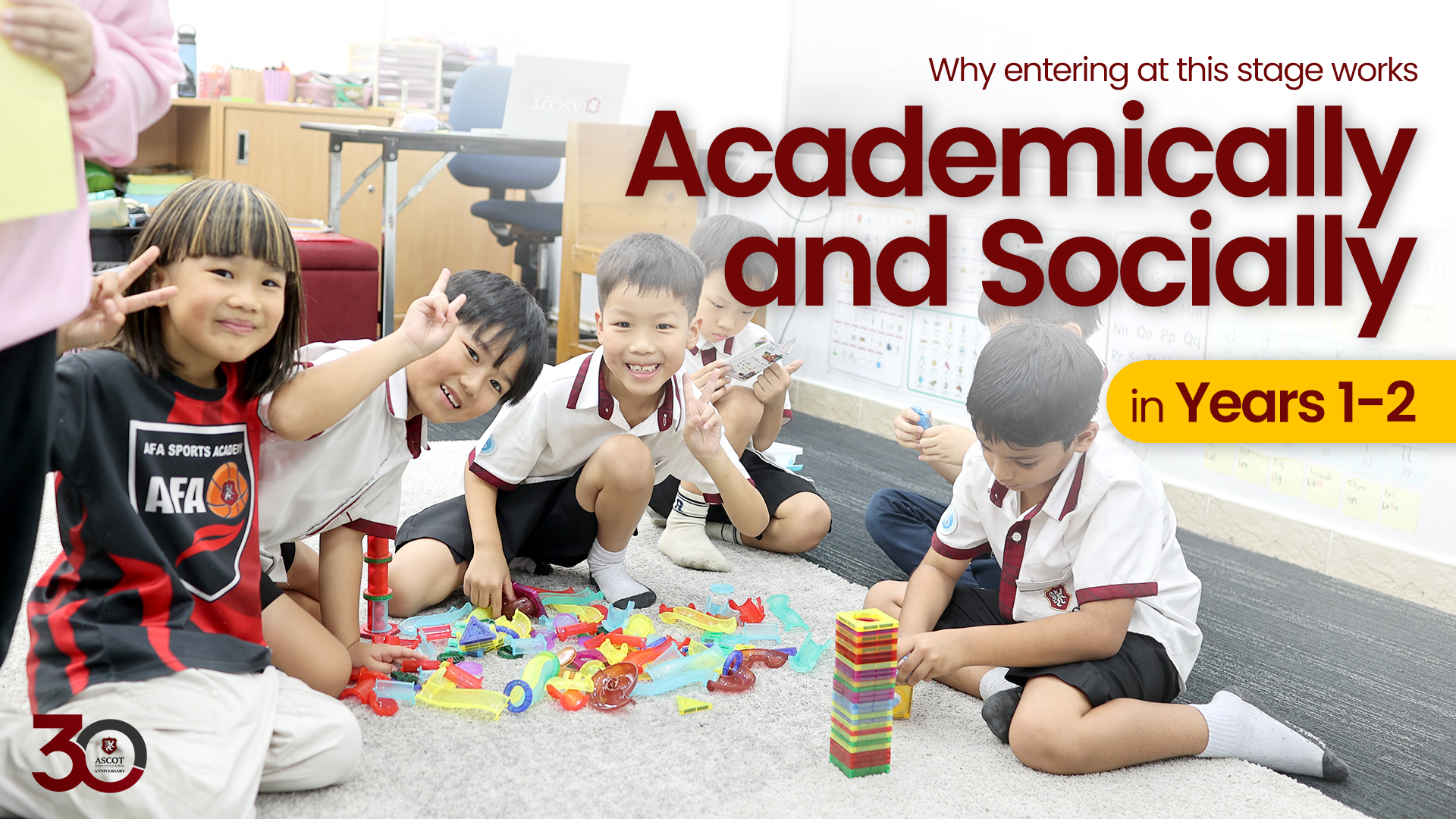
Why entering at this stage works academically and socially Choosing