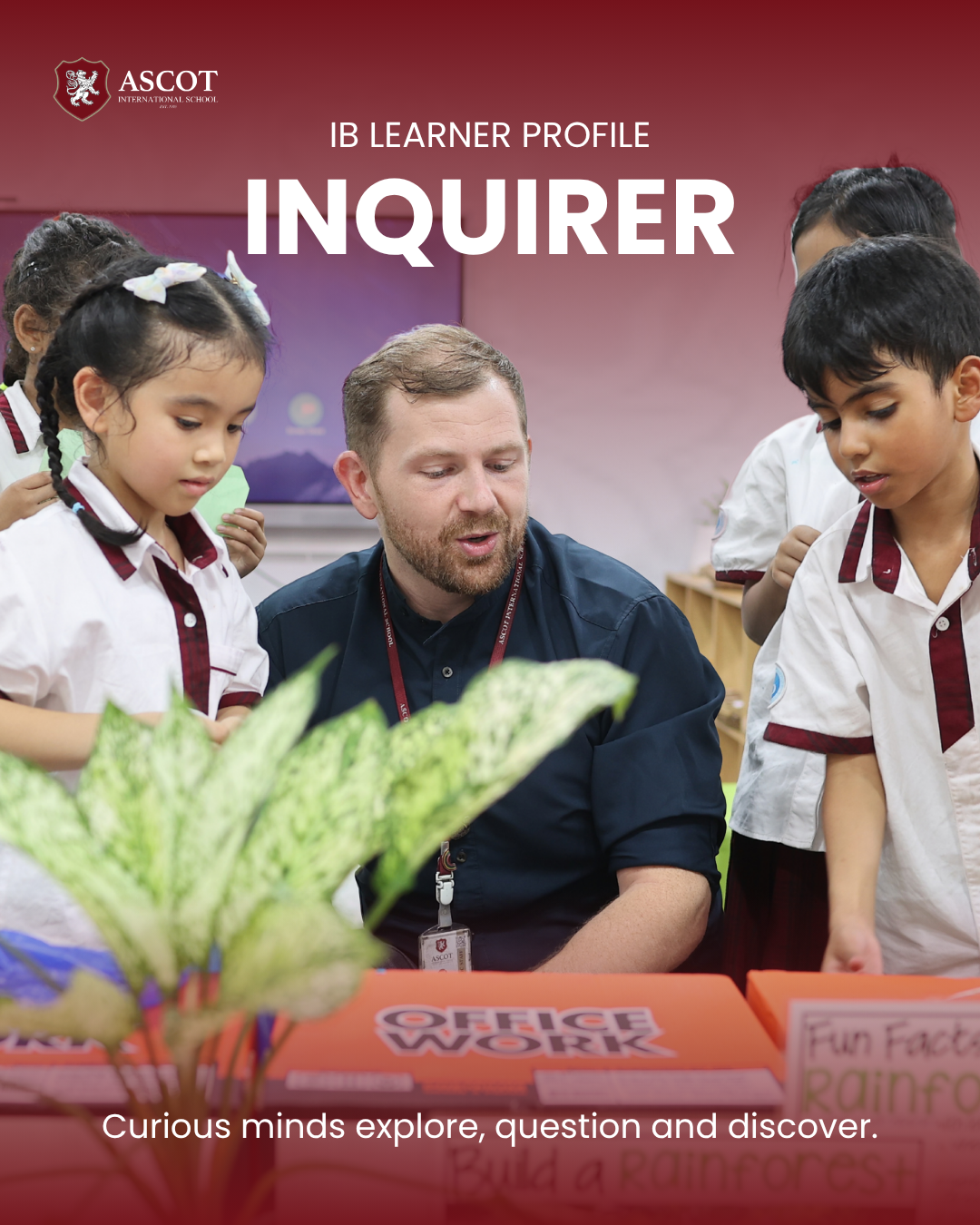
International playgroup in Bangkok at Ascot International School
International playgroup in Bangkok at Ascot International School If you
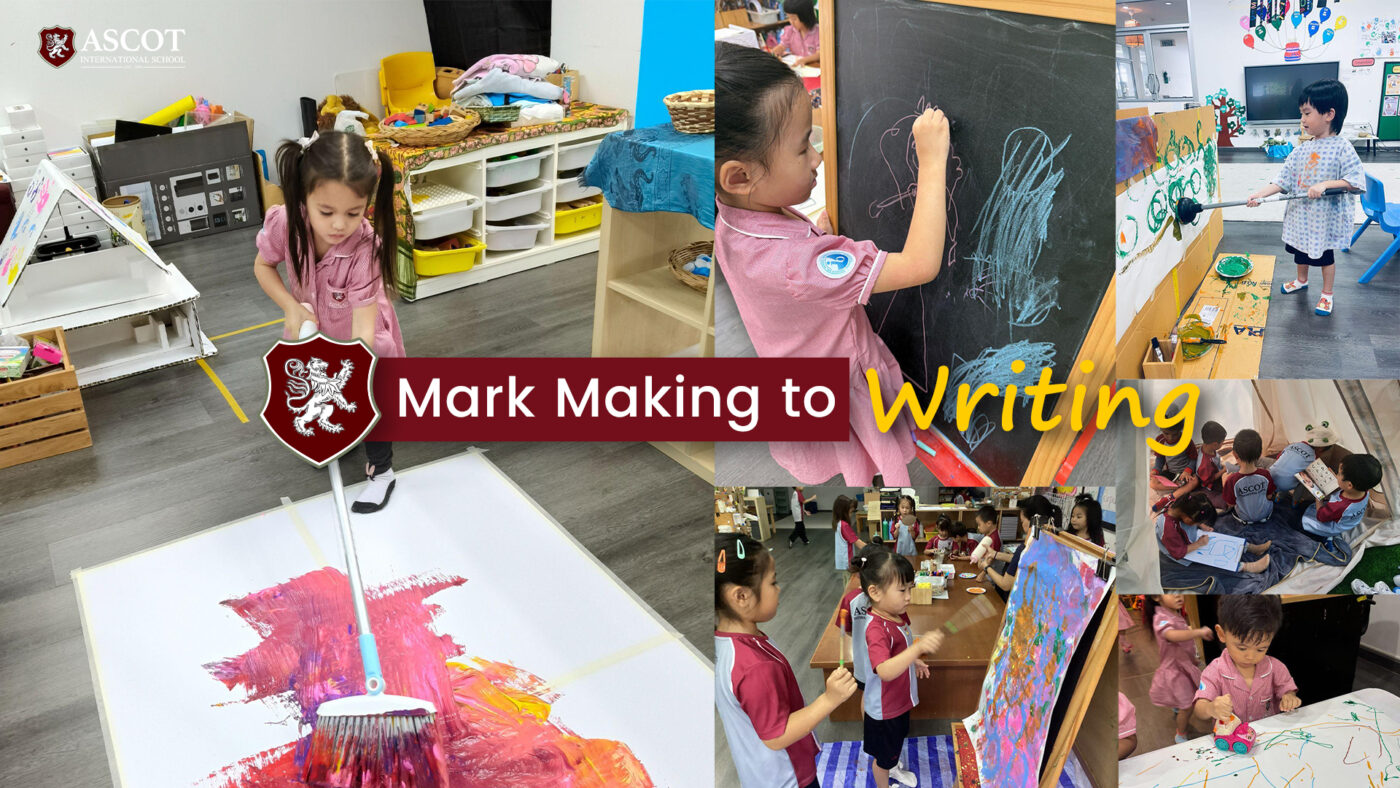
At Ascot International School, learning begins from the earliest years. We believe that every stage of development is important, and even the smallest steps can shape a child’s future as a learner. One of the first stages in a child’s writing journey is mark making. It may look like simple scribbles or playful drawing, but these marks are the foundation for communication, creativity, and writing.
Our Early Years programme follows a play-based and inquiry-driven approach. This means children explore, imagine, and experiment through real experiences. Mark making is not just about using a pencil – it is about movement, coordination, and expression. At Ascot, we integrate this with our IB philosophy, helping children build skills, confidence, and joy in learning.

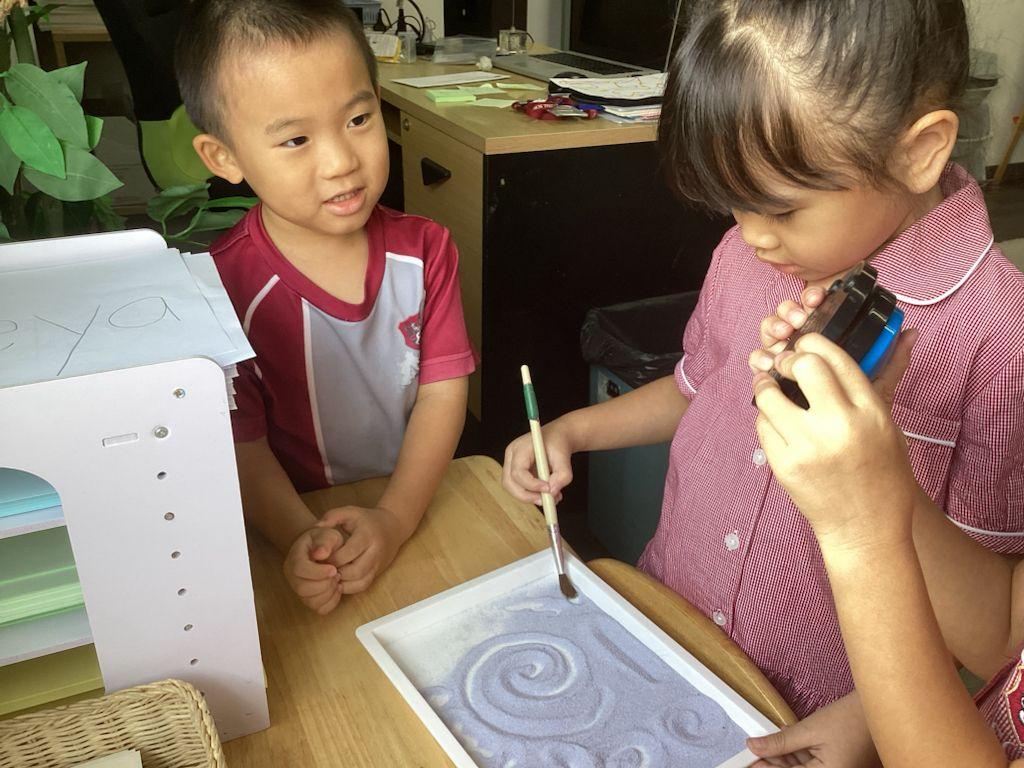
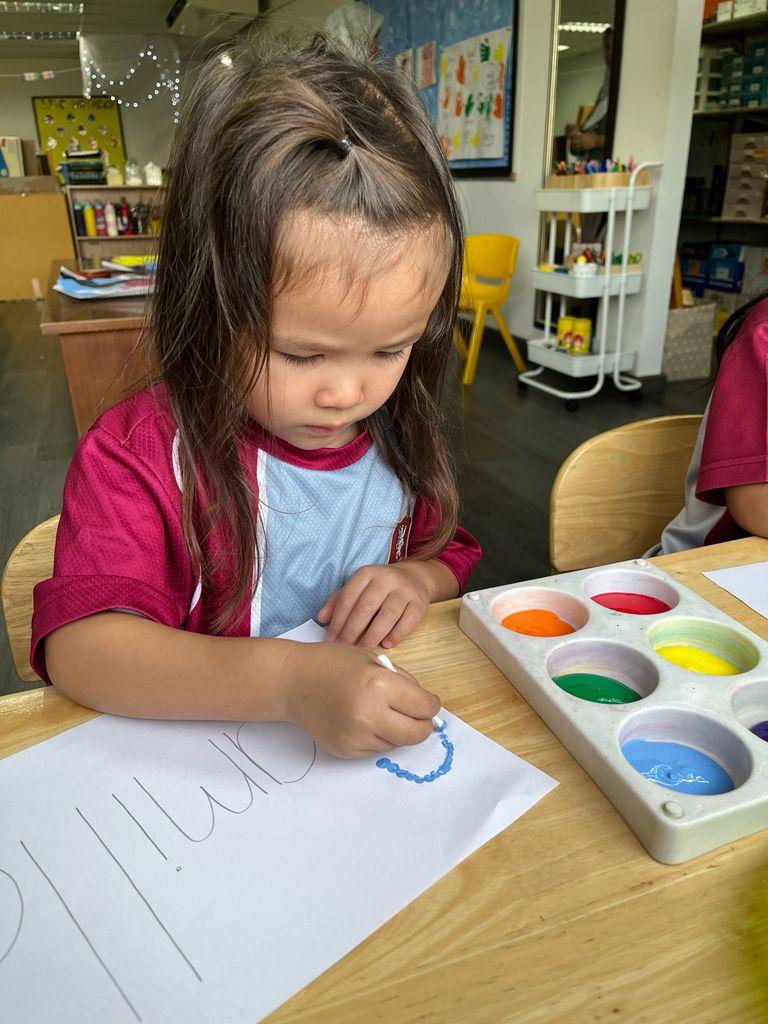
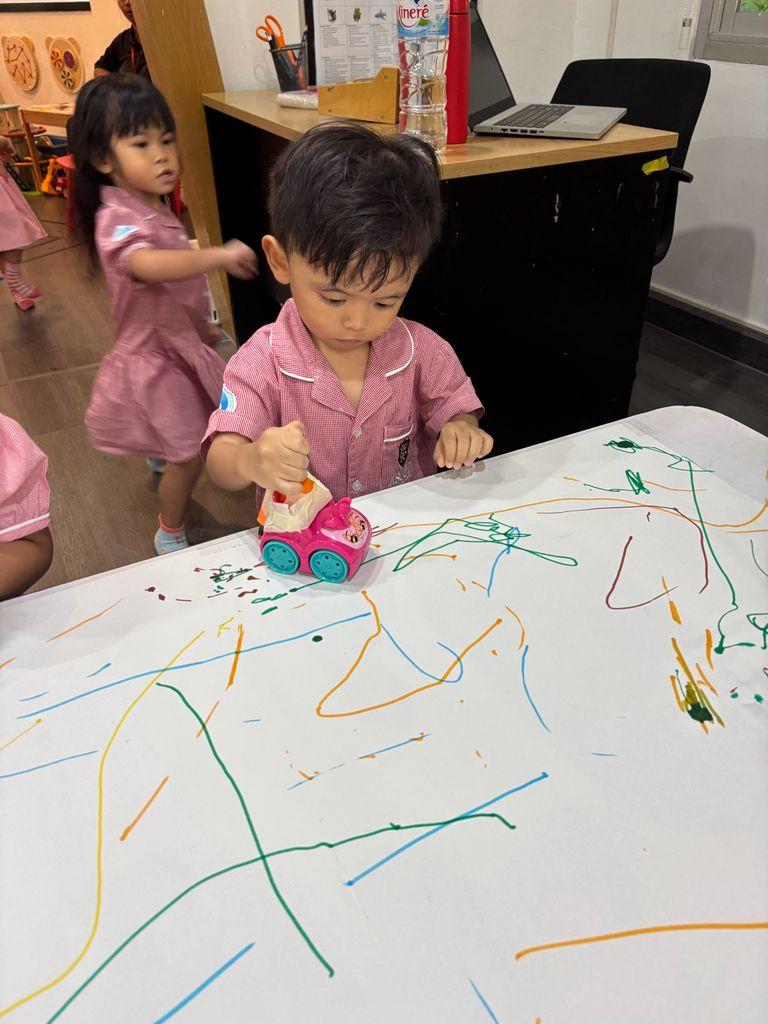
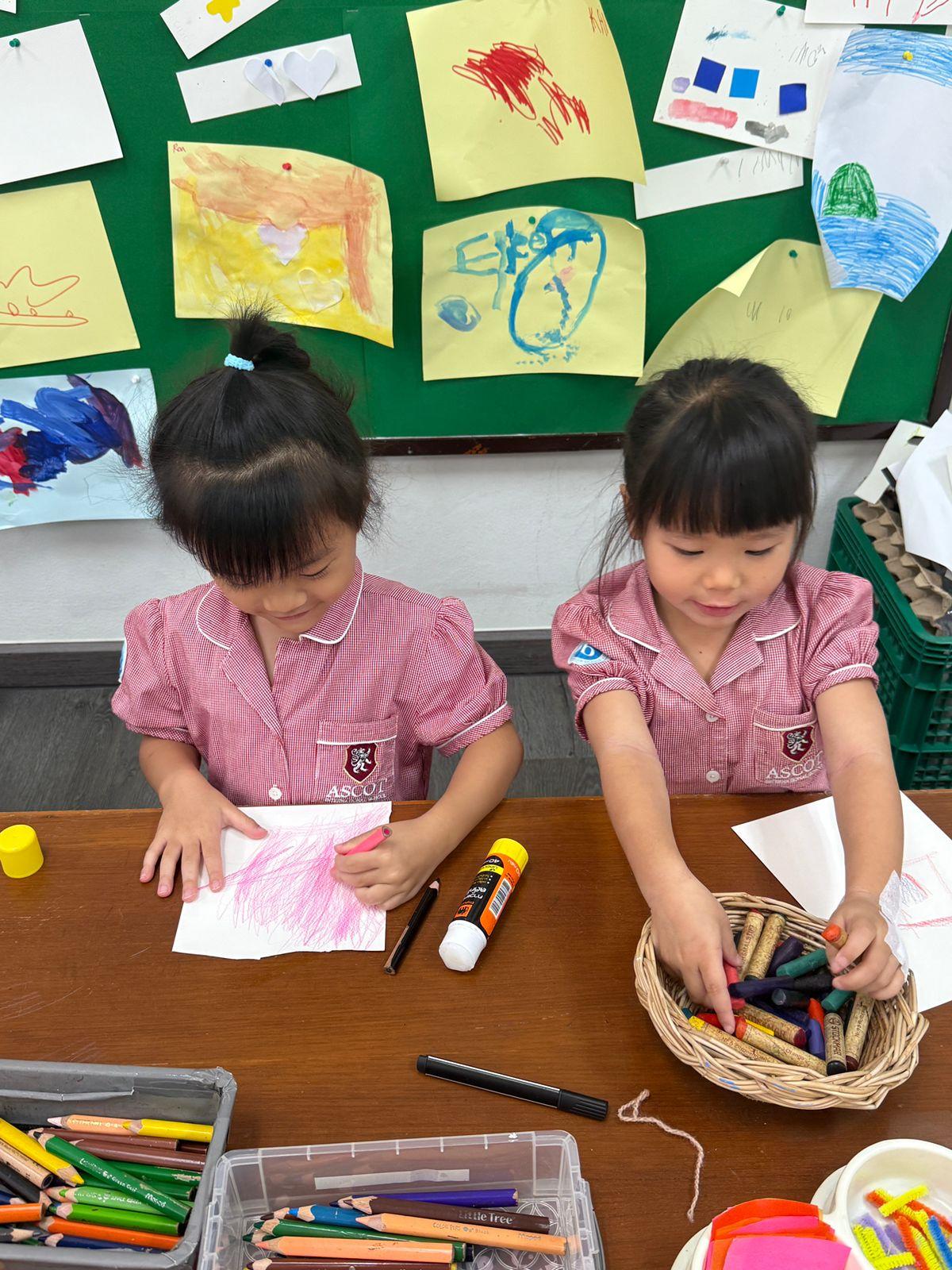
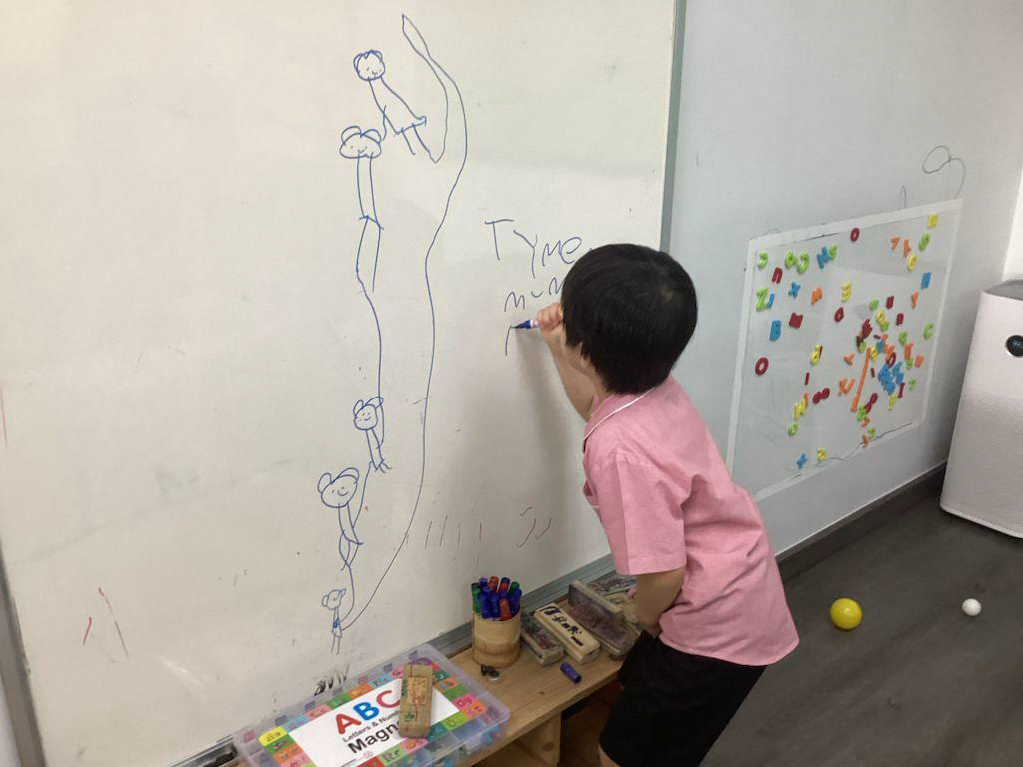
Mark making is the very first stage of writing. It begins when young children make lines, shapes, or patterns on paper, sand, or even walls with crayons, paint, or their fingers. These early marks may not look like words, but they carry meaning. For a child, every line is an attempt to share a thought, a feeling, or a story.
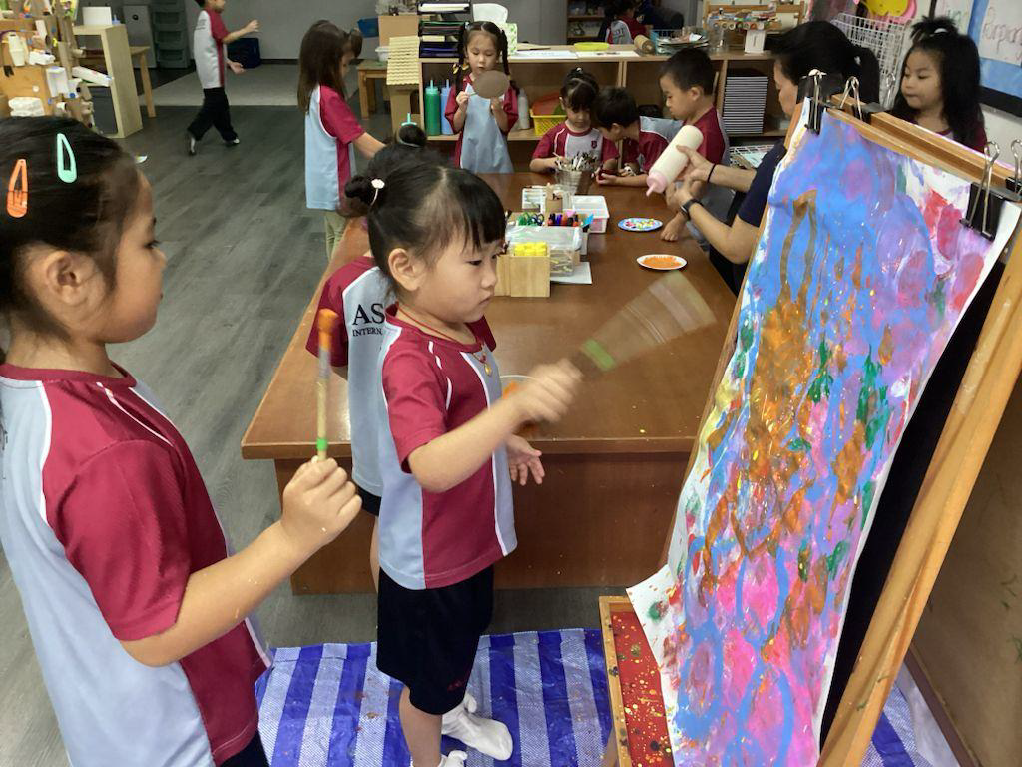
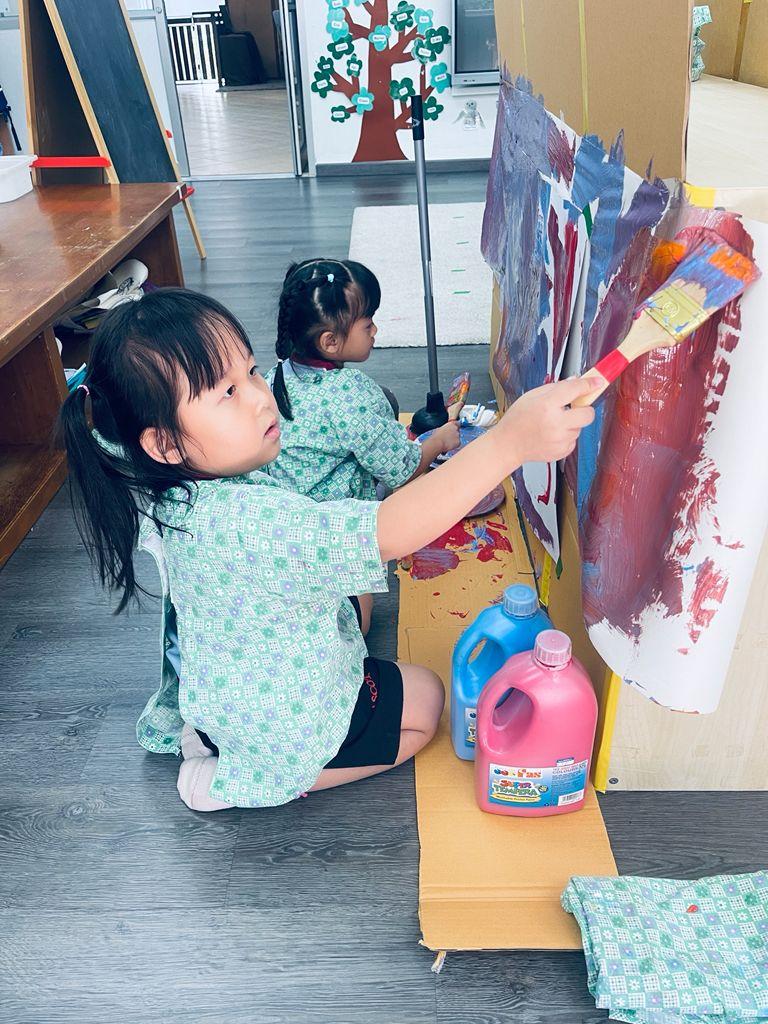
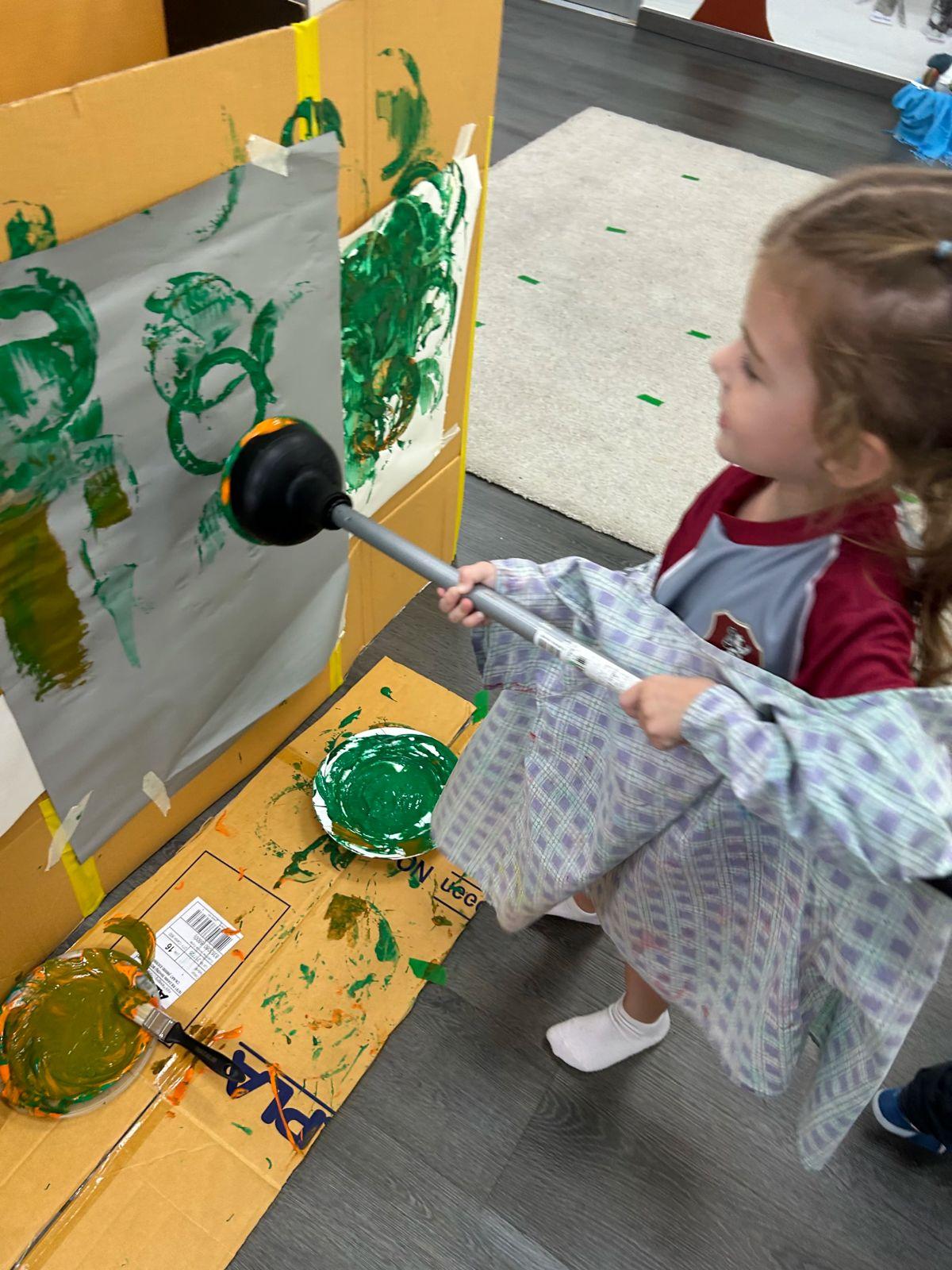
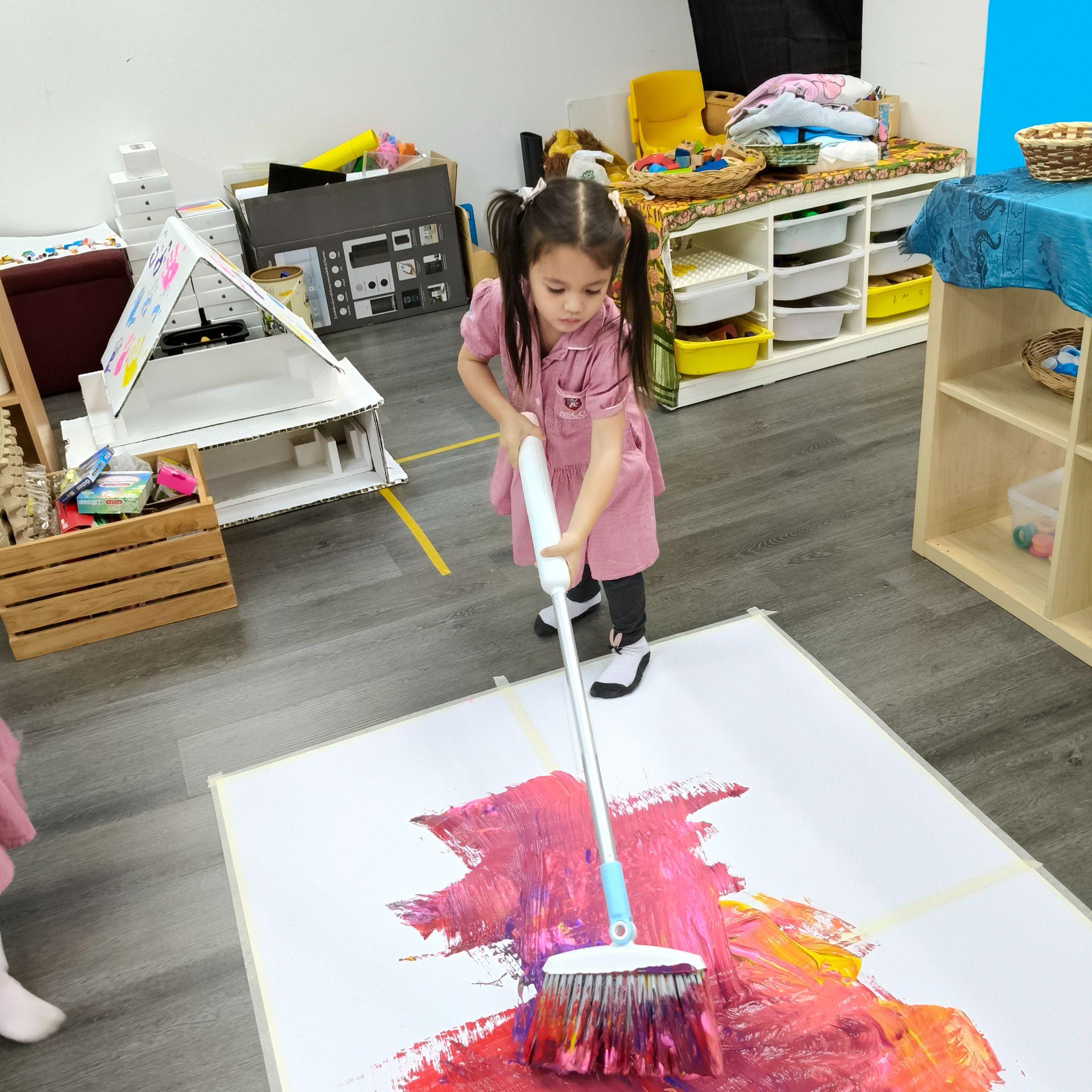
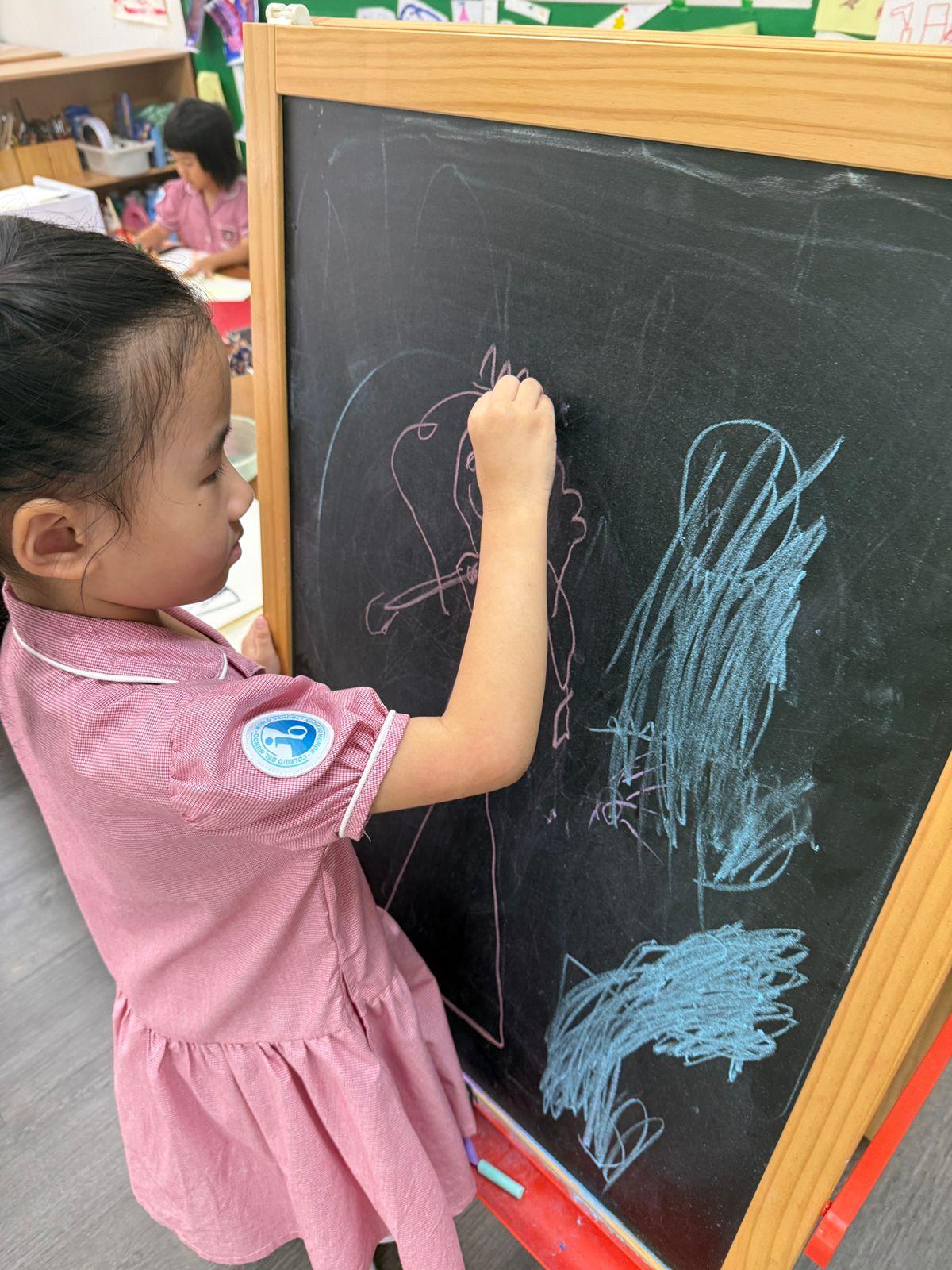
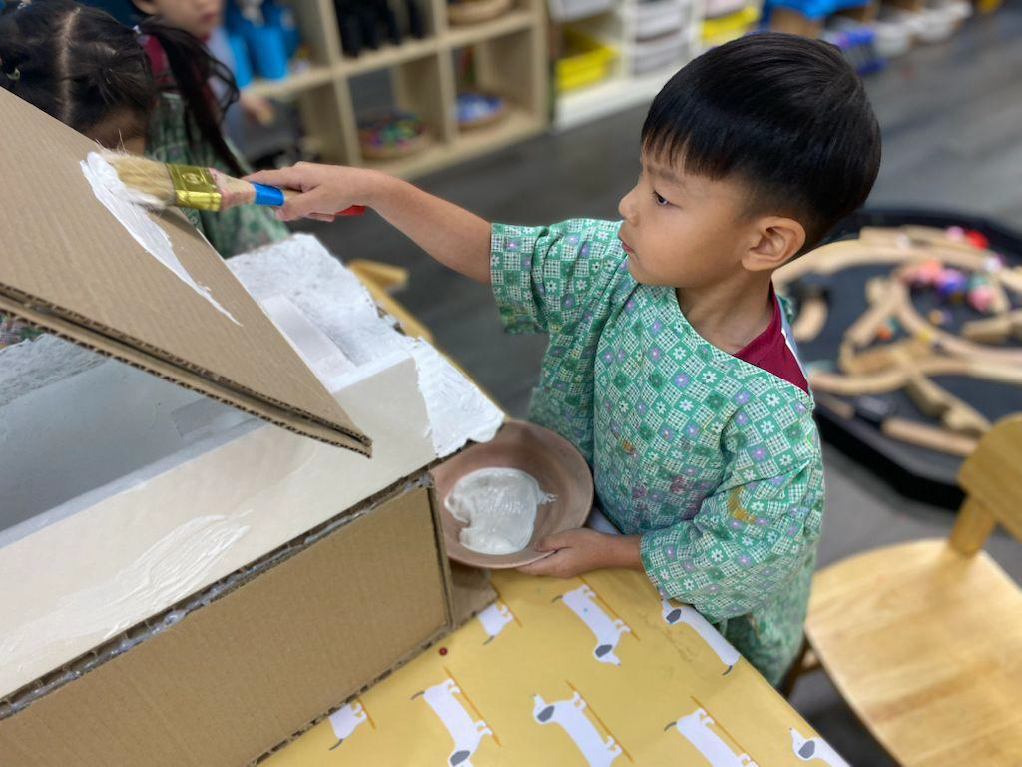
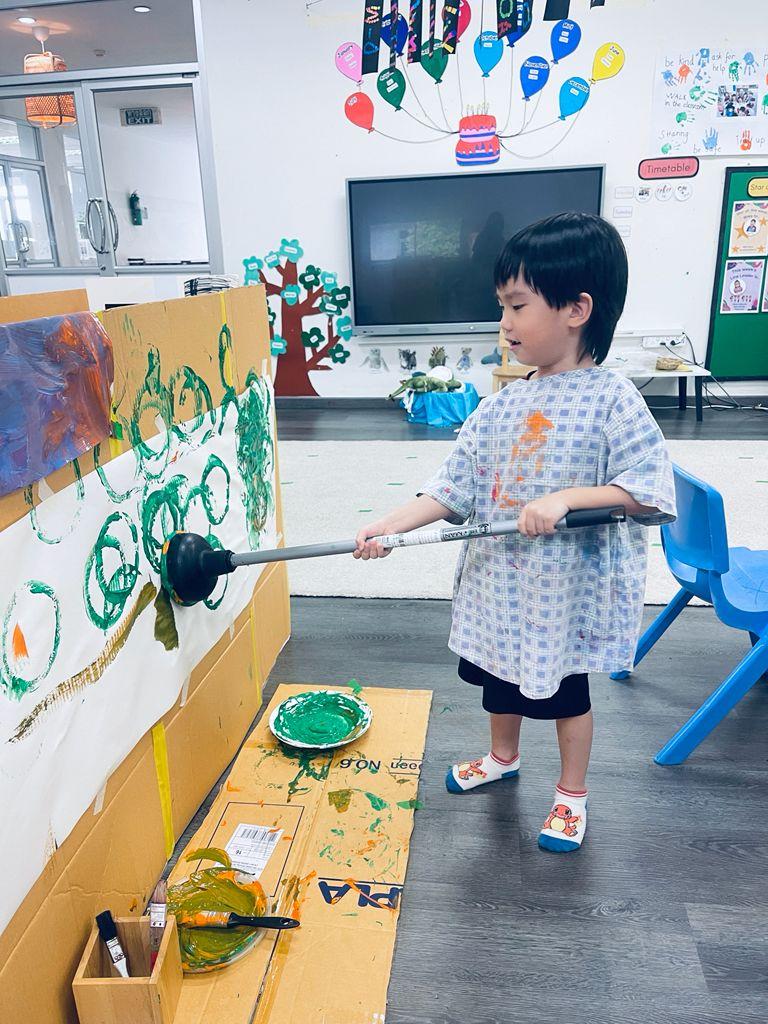
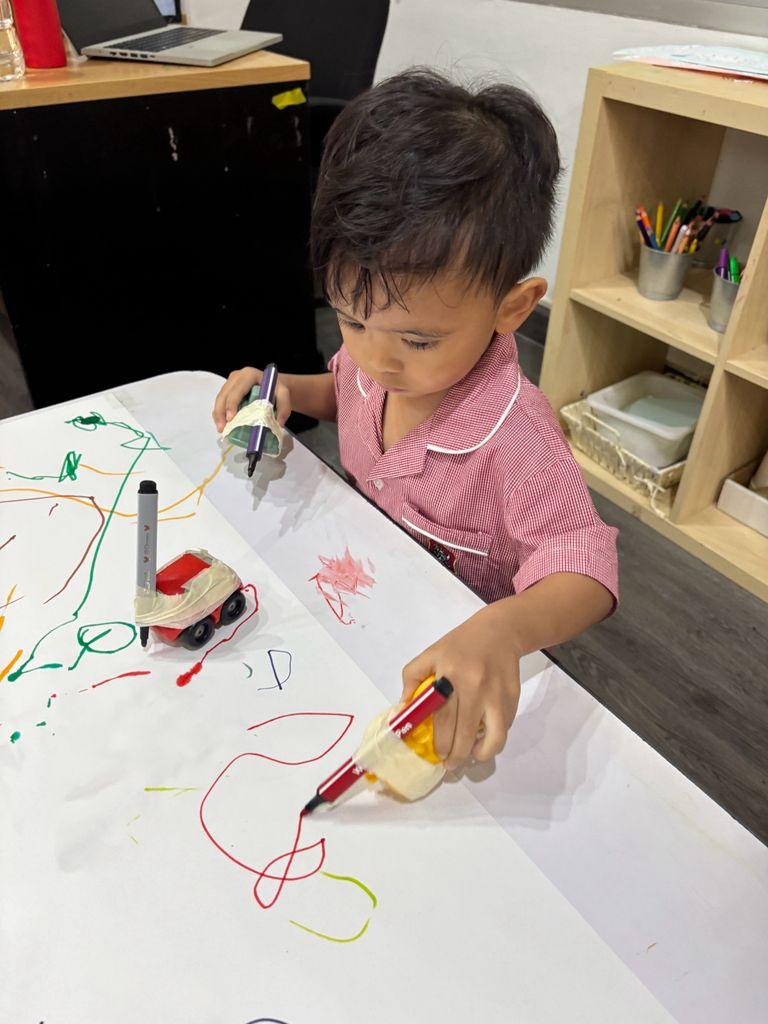
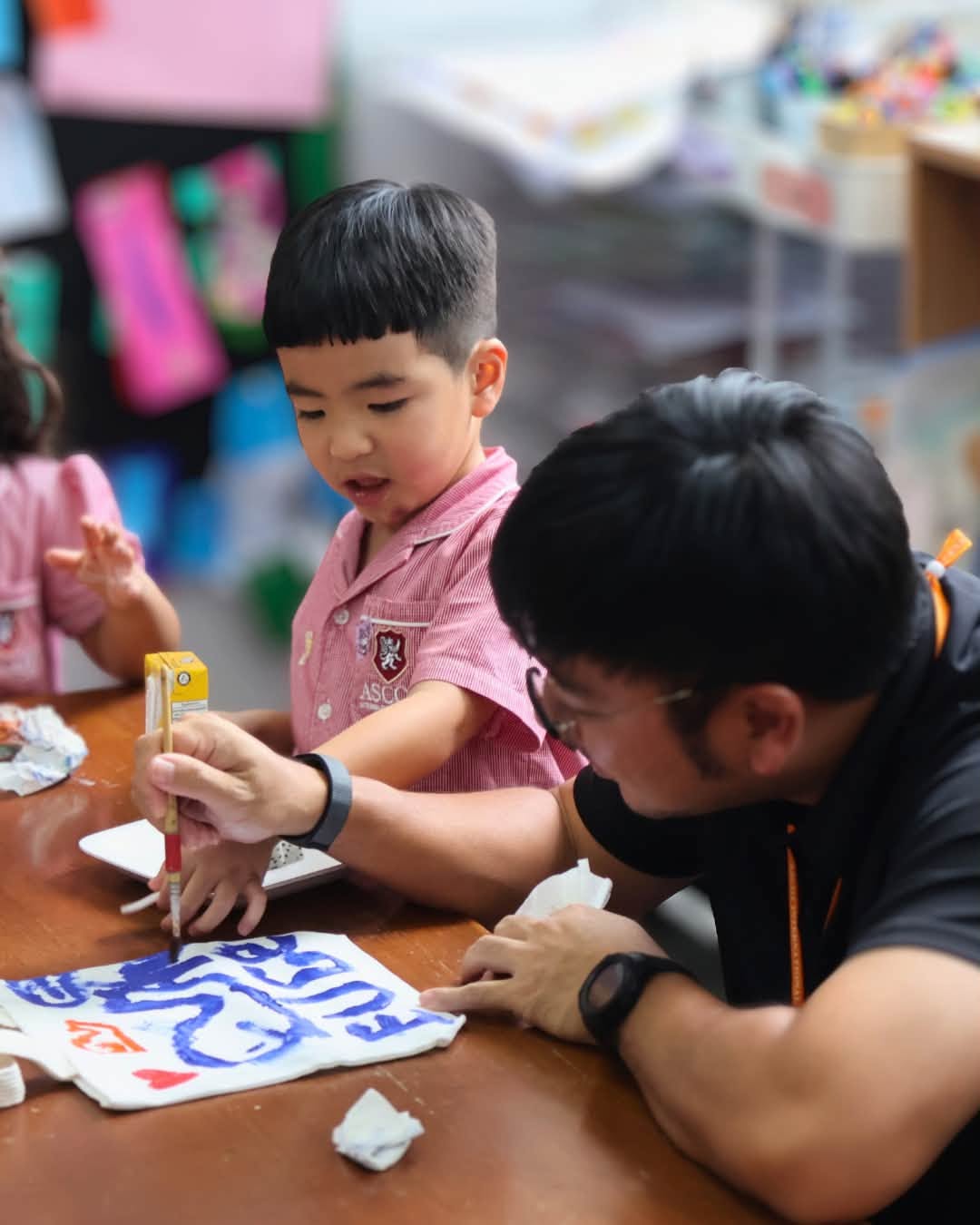
The process develops step by step. It starts with shoulder and elbow movements, then wrist control, and finally finger movements that lead to a proper pencil grip. At Ascot, we use fun and creative activities such as messy art, ribbon painting, chalk drawing, and sand play to guide this natural progression. Each stage builds the gross and fine motor skills needed for fluent writing later in school life.
Mark making supports children in many ways. It is not only about preparing them to write letters, but also about helping them:
When children engage in mark making daily, they also develop curiosity and creativity. They learn that writing is not just a task – it is a tool for thinking, communicating, and connecting with others.


The benefits go beyond physical skills. Mark making connects to the whole-child development that Ascot values. Children learn to be communicators, risk-takers, thinkers, and caring friends, qualities also shown in our IB learner profile mascots like Chatty Charlie and Kind Kelly.
By working on these skills in a playful environment, children also grow in social and emotional ways. They share their marks with friends, talk about their drawings, and reflect on what they created. This supports our vision of raising learners who are principled, reflective, and world-ready.
As children grow, their mark making develops with them. A toddler may enjoy splashing paint with their whole arm, while a preschooler may start tracing lines or shapes. By the time they enter primary school, many can hold a pencil correctly and write letters with more control.
At Ascot, we see this as a journey. From large movements to smaller, controlled marks, every stage matters. Teachers provide opportunities everywhere – in role play areas, water and sand play, outdoor painting, or classroom activities. Writing does not only happen at a desk; it happens across the whole environment, all day long.
At Ascot, mark making is seen as a process, not a single skill. Children pass through several natural stages before they are ready to write letters and words
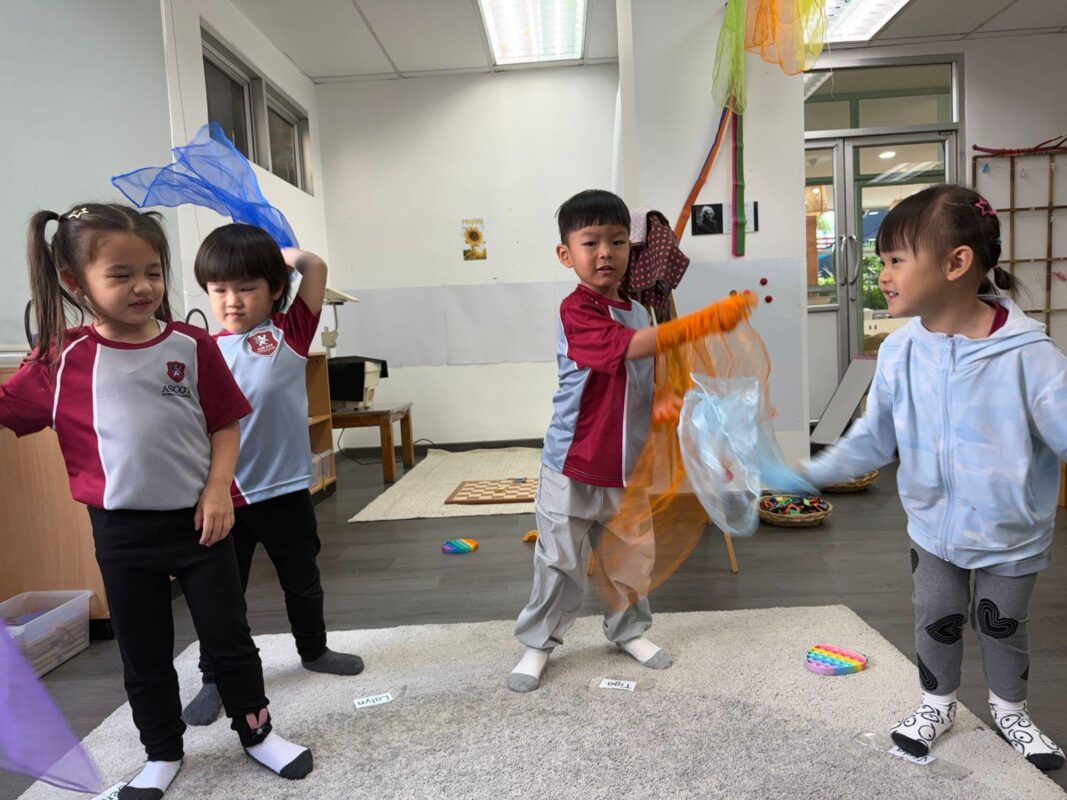
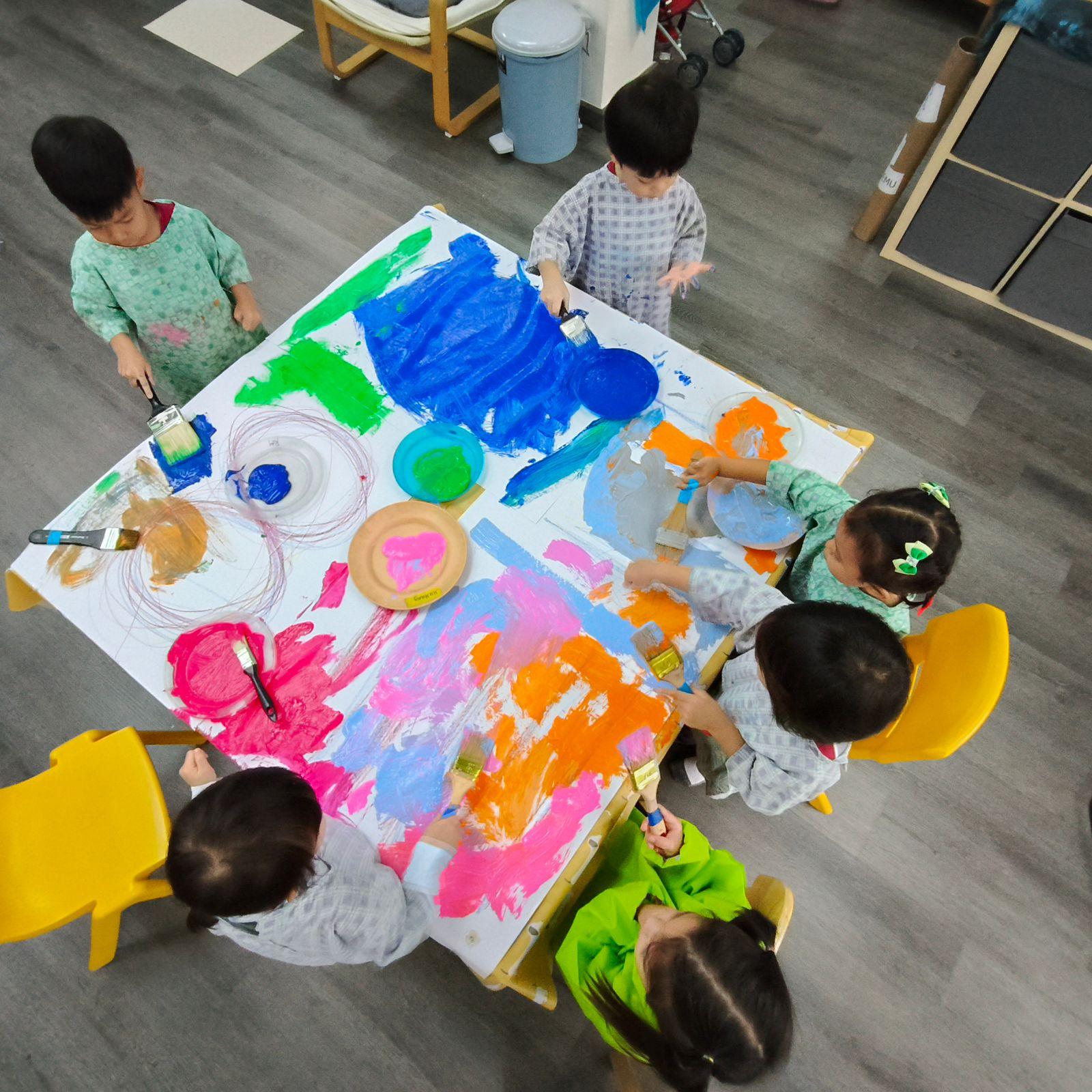
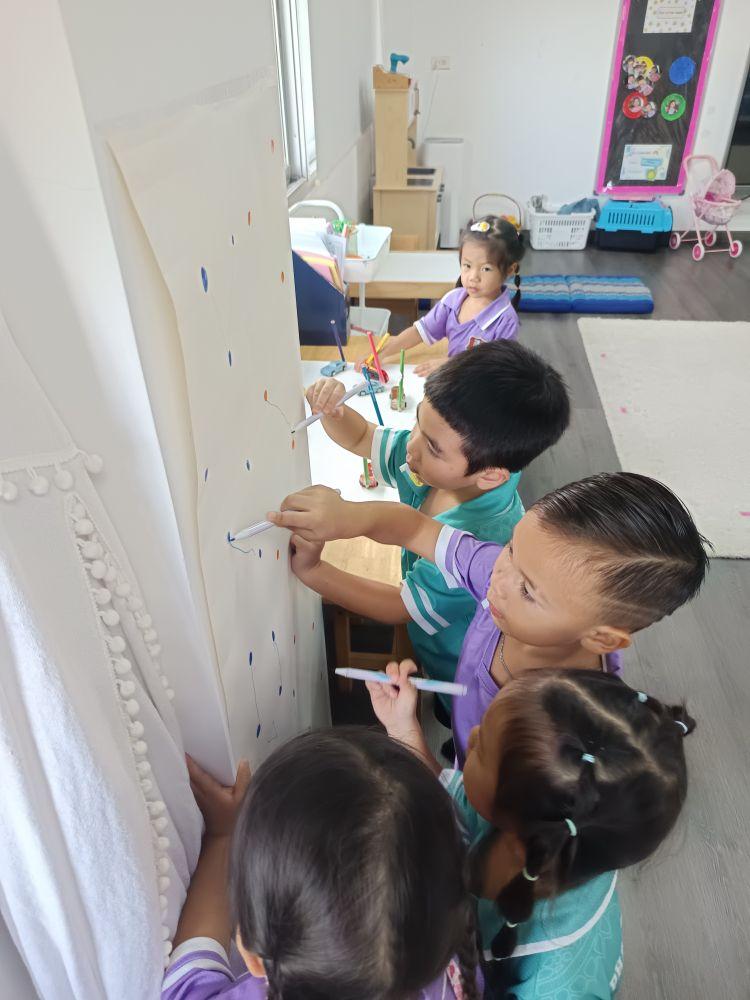
The earliest stage uses big movements to strengthen the arms and support wrist control. Activities include lazy 8s in the air, painting with ribbons, or wall painting.
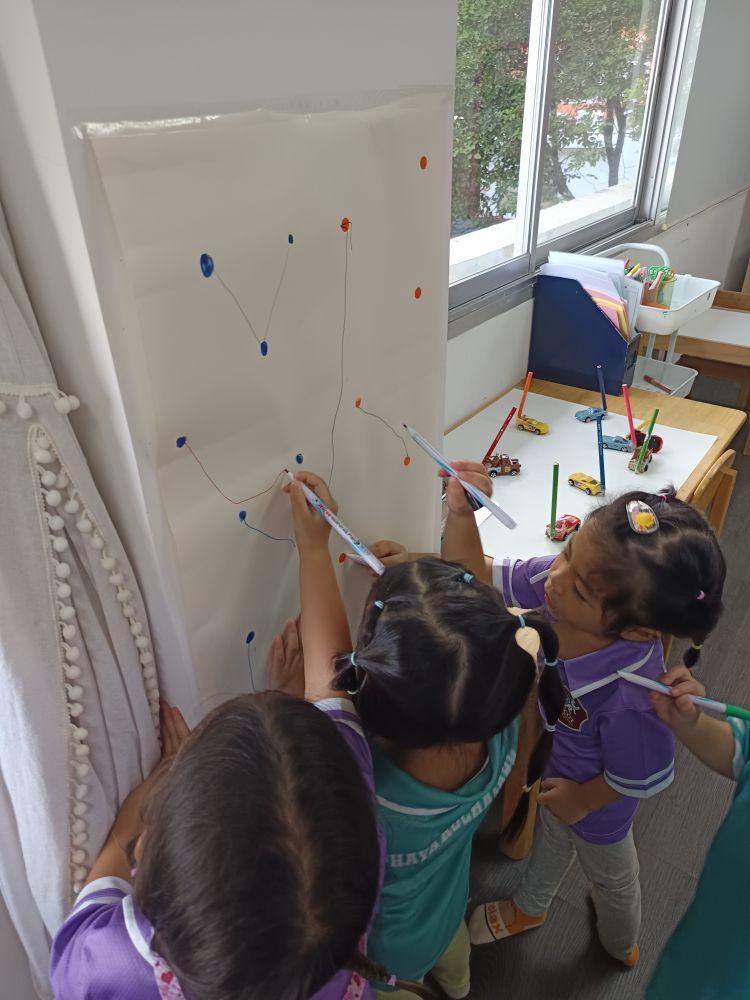
Children learn to cross the midline of their body, connecting the left and right sides of the brain. They practice this by drawing lines top to bottom, left to right, or diagonally.
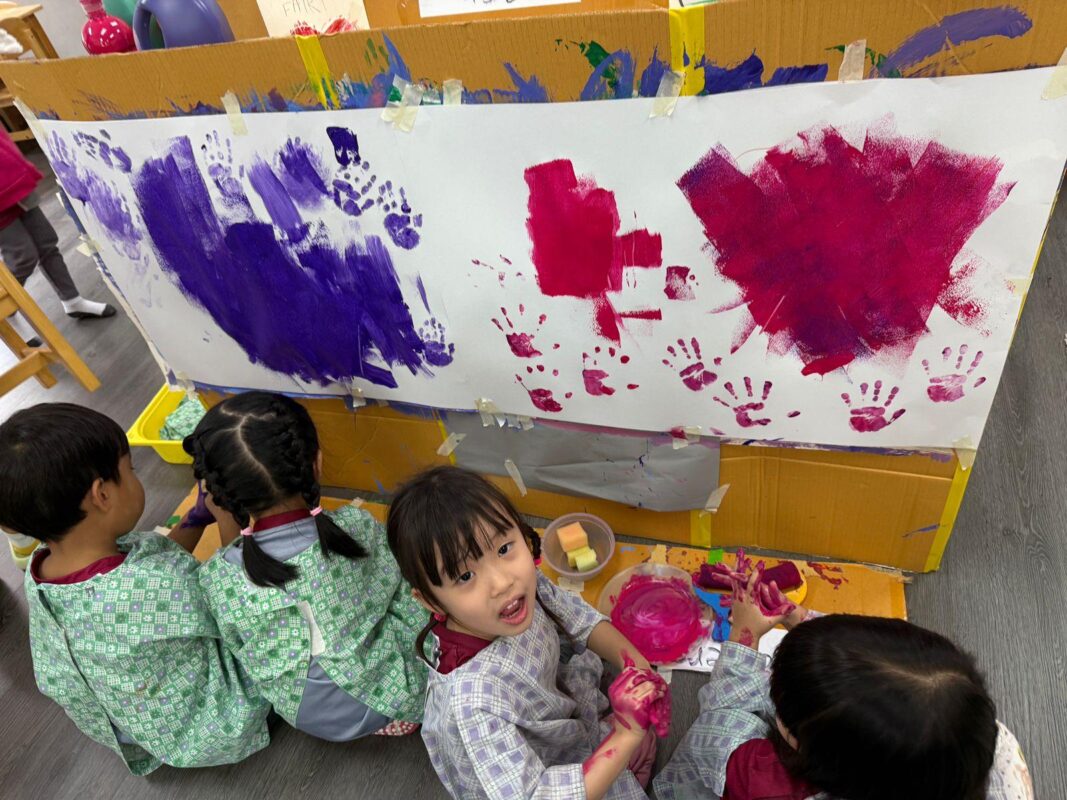
This stage builds handedness and prepares children for fine motor control. Roller painting, hand painting, and using foam or rice are part of the play.
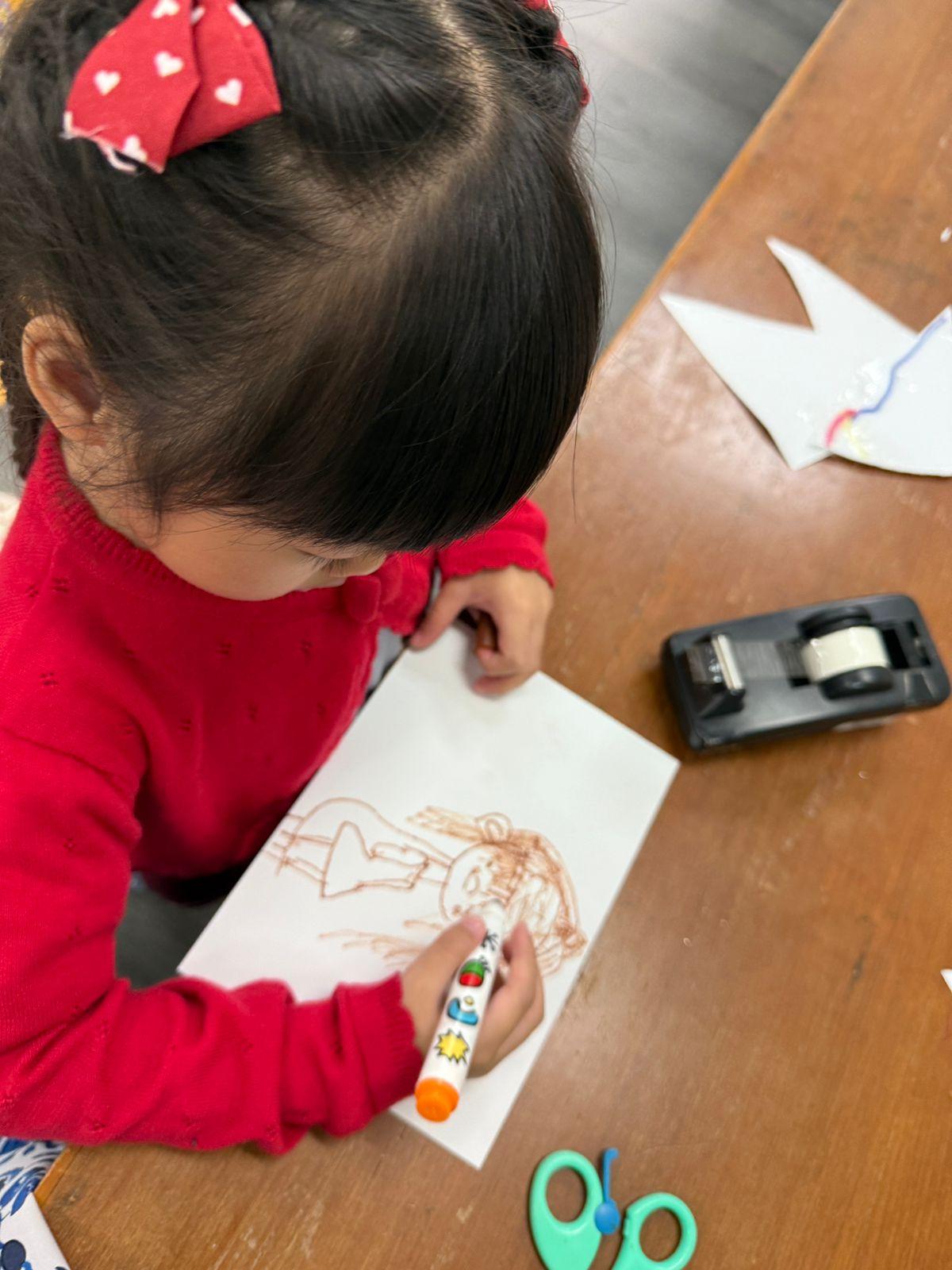
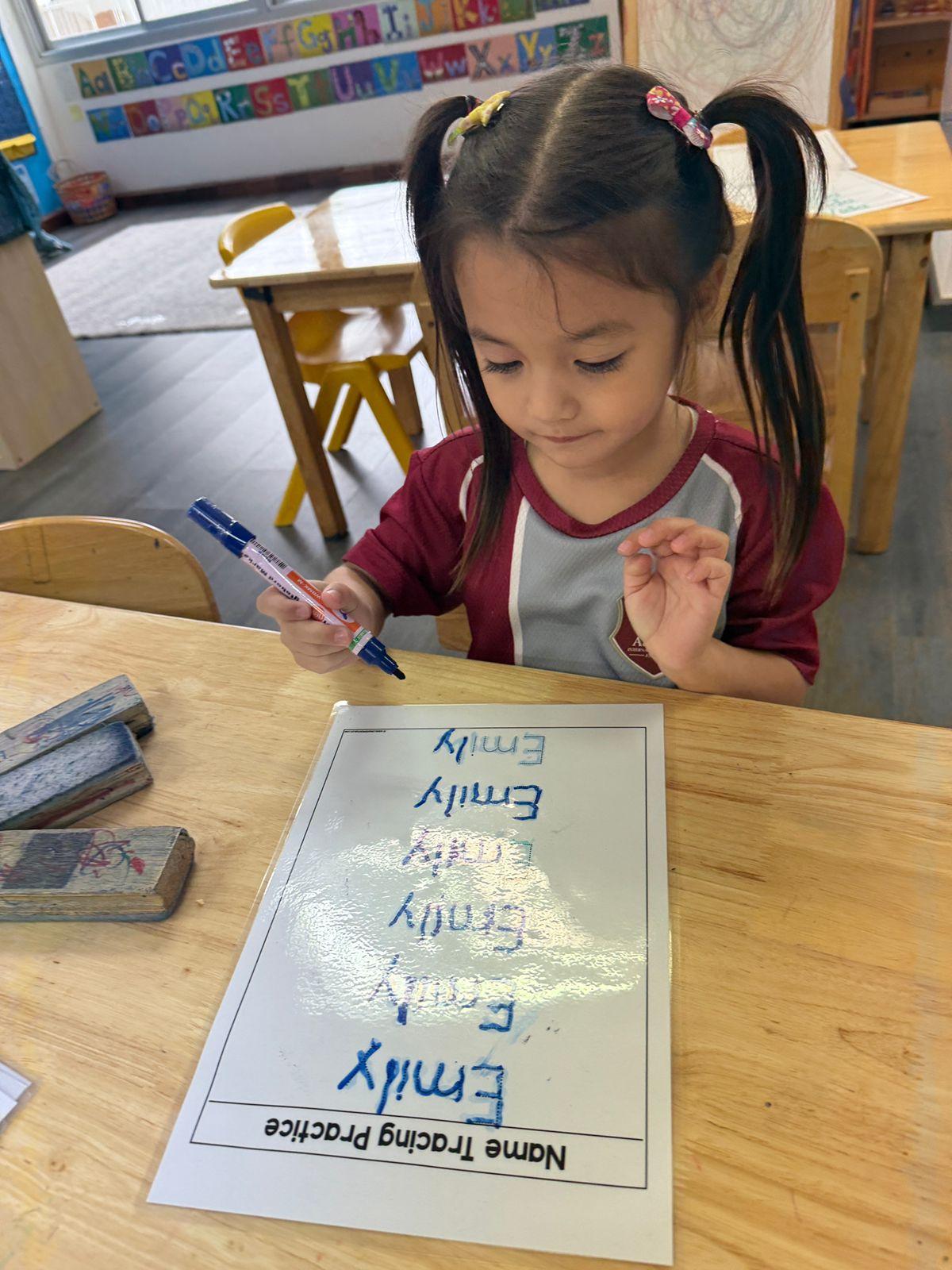
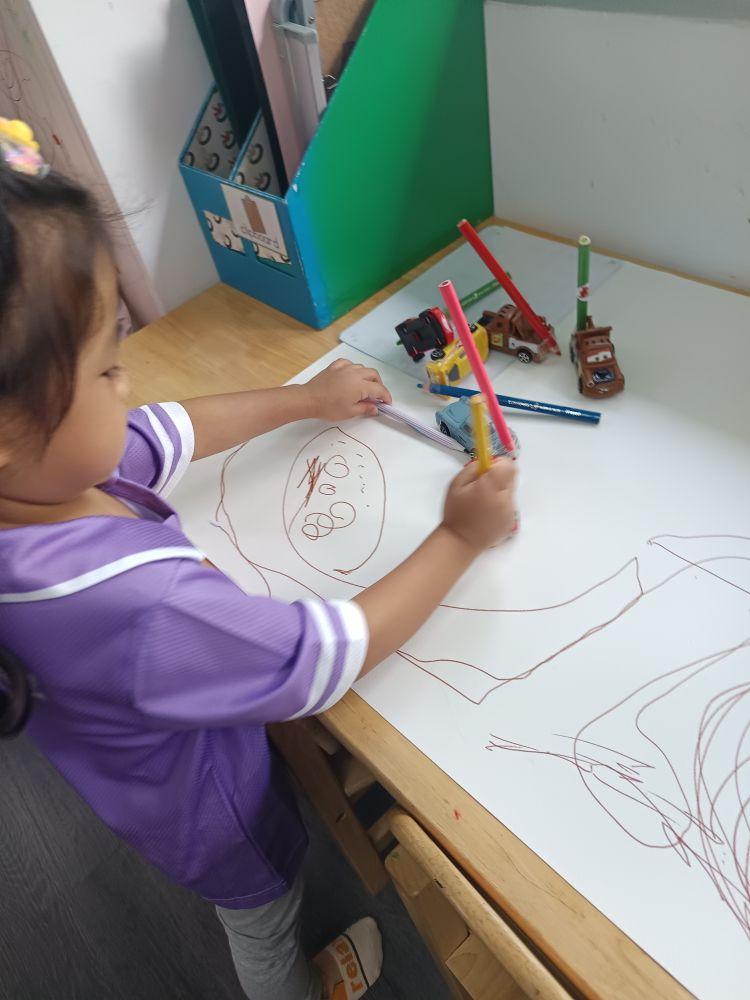
Children learn how to hold crayons, chalk, or brushes, preparing their muscles for proper pencil grip
Finally, children develop control over the pencil and can start forming letters and shapes with confidence.
This approach means children are never rushed. Each stage builds on the last, making writing a natural and enjoyable journey.

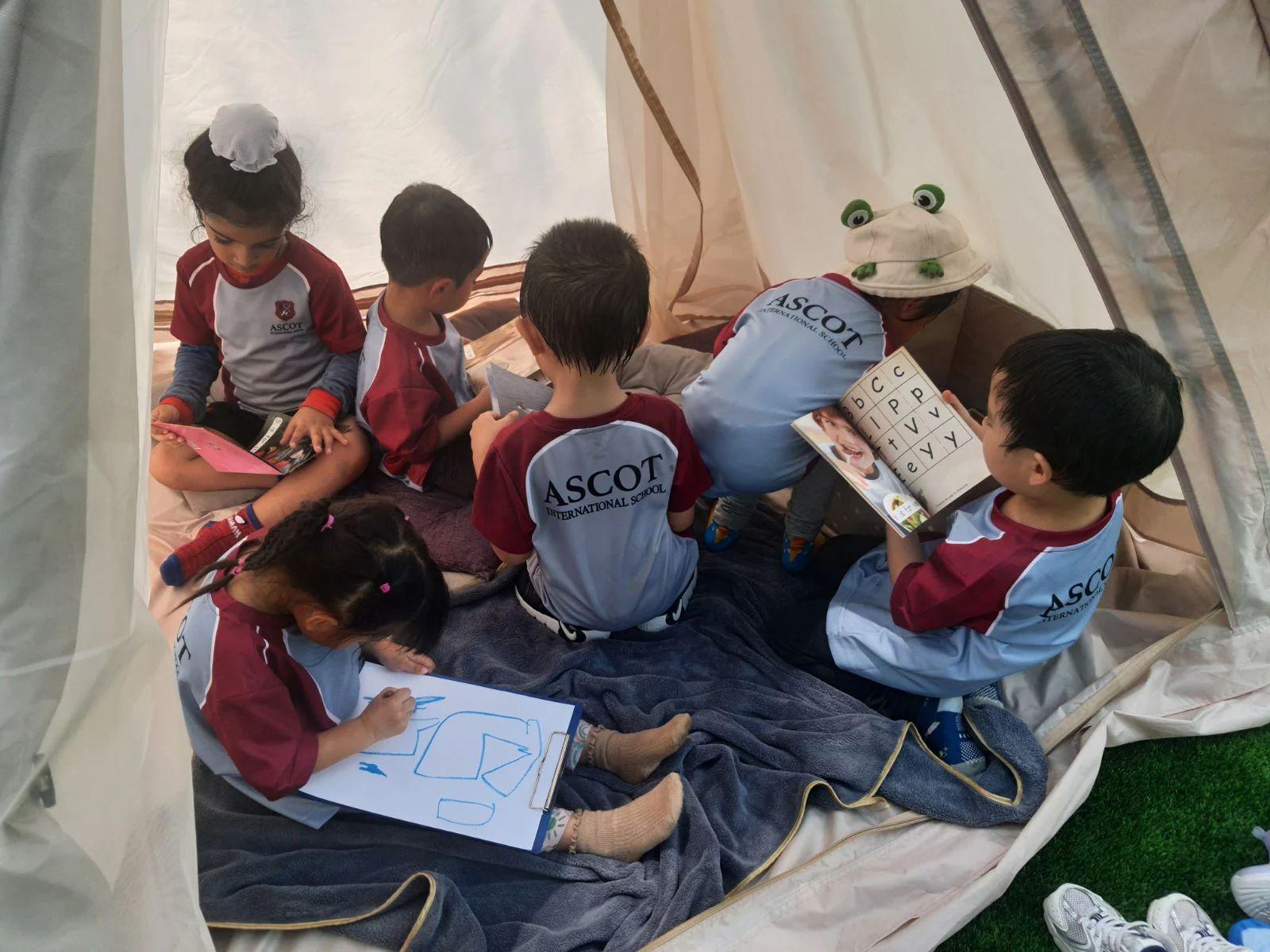
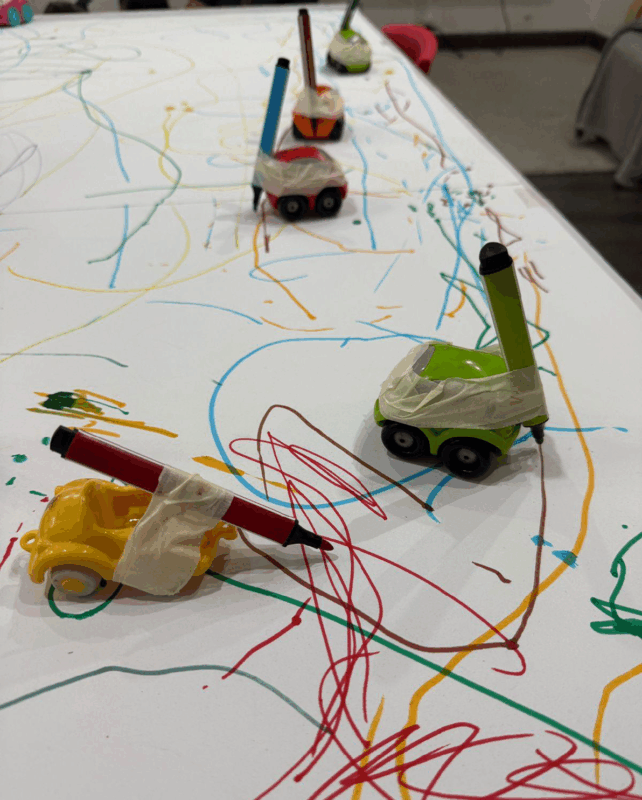
Learning does not happen only in one place. At Ascot, opportunities for mark making are woven into every part of the Early Years environment. Children explore shapes in the sand, create patterns with water play, and label items in role play areas. They draw on large rolls of paper, practice stencils, and even create writing forts.
By embedding writing practice into play, children stay engaged and motivated. They see writing as something fun and meaningful, not just a task to finish. This is part of our belief in high-quality teaching that connects learning to real-world experiences.
Ascot International School’s vision is to nurture lifelong learners in a safe, family-friendly environment. Mark making links directly to this vision:
Through mark making, children also live out Ascot’s values of collaboration, communication, and respect. They work together, share tools, listen to each other’s stories, and show care for their learning community.
Mark making to writing is more than preparing for school—it is preparing for life. It combines physical growth, emotional balance, social interaction, and intellectual curiosity. At Ascot, children are encouraged to be inquirers, thinkers, communicators, and caring individuals. The skills they learn through mark making connect to every part of their development.
At Ascot International School, we believe that every child’s journey into writing should be natural, joyful, and meaningful. If you would like your child to experience a play-based environment that nurtures creativity, curiosity, and lifelong skills, we invite you to connect with us.
✨ Discover how our Early Years programme helps children grow from mark making to confident writing. Contact Ascot today to book a visit and see our community in action.

International playgroup in Bangkok at Ascot International School If you

Why entering at this stage works academically and socially Choosing