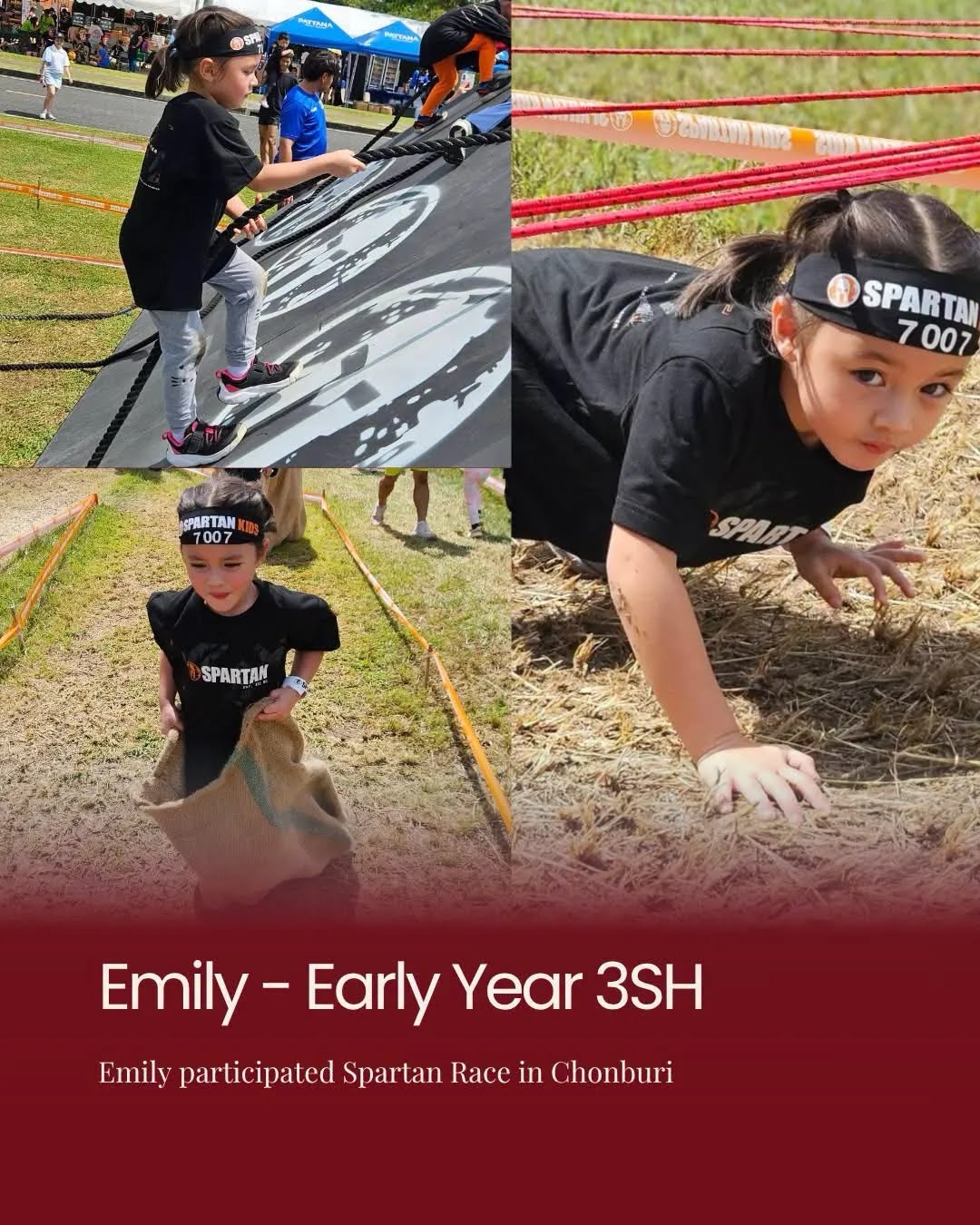
Emily – Early Year 3SH Takes Part in Spartan Race in Chonburi
Emily – Early Year 3SH Takes Part in Spartan Race
The middle years of a child’s education are a time of big change. Students are growing quickly, becoming more independent, asking deeper questions, and starting to understand who they are and how they fit into the world. At this stage, learning needs to be more than just textbooks and exams. It needs to guide, challenge, and support students in a balanced way.
At Ascot International School, the IB Middle Years Programme (MYP) is designed to support students during this important phase of life. The programme helps students build strong academic knowledge while also developing confidence, responsibility, and a sense of purpose. Learning is meaningful, connected to real life, and carefully planned to help students grow step by step.
The MYP at Ascot prepares students not only for future academic success, such as the IB Diploma Programme, but also for life beyond school. It encourages students to think, reflect, collaborate, and take action in a supportive and caring learning community.
The Middle Years Programme, often called the MYP, is part of the International Baccalaureate (IB) education system. It is designed for students aged approximately 11 to 16 and sits between the Primary Years Programme (PYP) and the Diploma Programme (DP).
The MYP focuses on helping students understand how they learn, not only what they learn. Students are encouraged to ask questions, explore ideas, and make connections between subjects and the real world. Instead of memorising information, students learn to think deeply, explain their ideas, and apply their learning in different situations.
One important feature of the MYP is that learning is concept-based. This means students study big ideas, such as change, relationships, systems, and identity, rather than only isolated topics. These concepts help students understand learning in a wider context and remember it for longer.
At Ascot, the MYP is delivered in a way that is structured, supportive, and clear. While the programme may seem complex at first, it is introduced step by step so that students feel confident and supported as they grow into independent learners
The middle years are when students begin to:
The MYP supports these changes by offering learning that is challenging but balanced. Students are encouraged to take responsibility for their work, reflect on their progress, and understand why their learning matters.
Through inquiry-based learning, students become active participants in lessons rather than passive listeners. They learn how to organise their time, manage challenges, and work collaboratively with others. These skills are essential not only for school success but also for life beyond the classroom.
The IB offers a continuous learning journey, but each programme has a different focus to suit students at different stages of development.
The Primary Years Programme (PYP) focuses on transdisciplinary learning. This means subjects are blended together, and learning often happens through play, exploration, and shared themes. Young children learn by connecting ideas across subjects without clear boundaries.
The PYP is designed to nurture curiosity, creativity, and a love of learning in the early years.

The Middle Years Programme (MYP) focuses on interdisciplinary learning. Subjects remain clear, such as science, mathematics, or language, but students are guided to see connections between them.
For example, a science unit may link to design, or a humanities topic may connect with language learning. Students begin to understand how knowledge from different subjects works together in real life.
This approach helps students develop deeper understanding, stronger thinking skills, and better problem-solving abilities. It also supports their growing independence and critical thinking skills during the teenage years
The Diploma Programme (DP) follows a multidisciplinary approach. Subjects are studied separately and in greater depth, preparing students for university and further education.
By the time students reach the DP, they are expected to manage complex tasks, research independently, and think critically about global issues. The MYP plays an important role in preparing students for this level of learning.
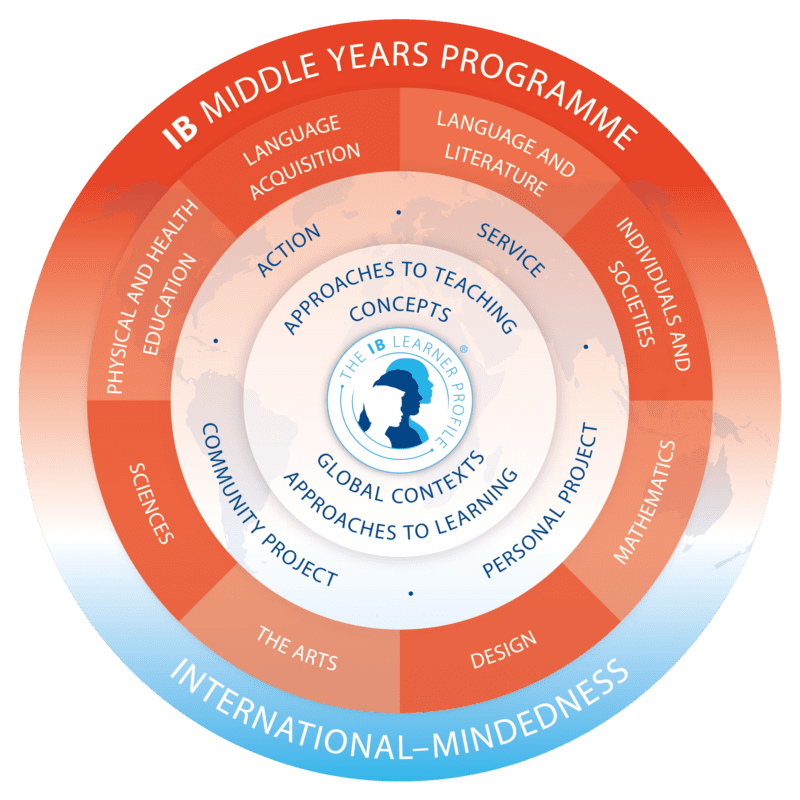
The IB Middle Years Programme is not a fixed curriculum that every school must follow in exactly the same way. Instead, it is a framework that guides schools in designing high-quality learning experiences that meet students’ needs.
At Ascot International School, this framework allows teachers to create learning that is structured, balanced, and meaningful, while still being flexible enough to support different learners.
At the centre of the MYP framework is the student. Everything in the programme is designed to support students’ growth as learners and as people. Around the student are key elements that shape how learning happens every day in the classroom.
These elements include:
Together, these elements help students understand not only academic content, but also why their learning matters and how it connects to life outside school.
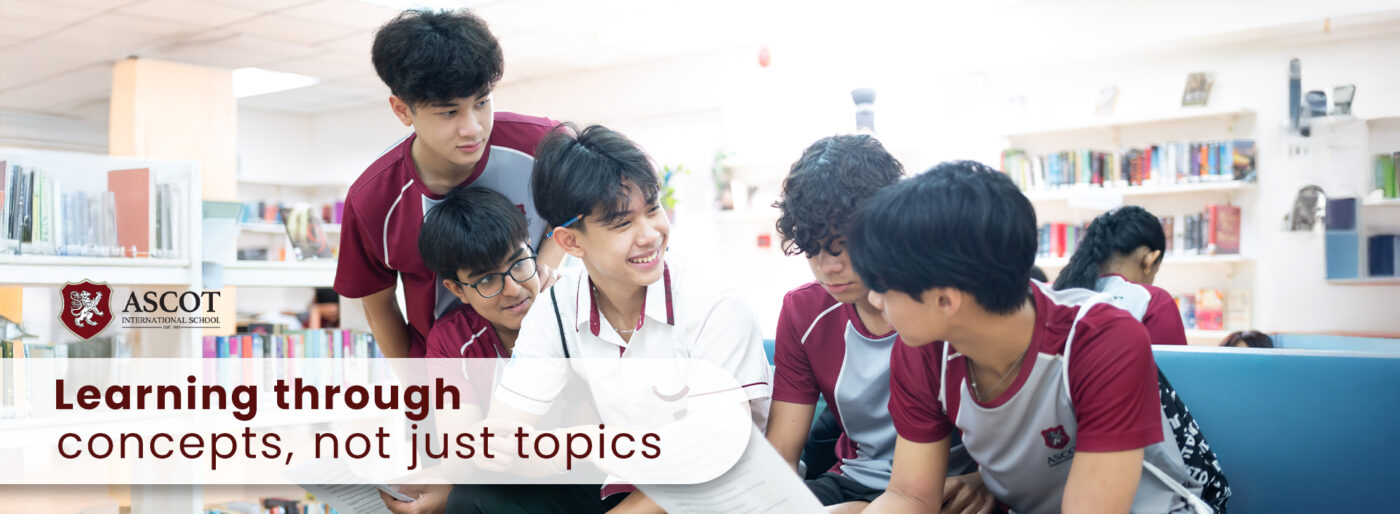
One important part of the MYP framework is concept-based learning. Instead of studying topics in isolation, students explore big ideas that can be applied across many subjects.
For example, students may explore concepts such as:
These concepts help students see patterns and connections in their learning. When students understand the concept behind a topic, they are more likely to remember it, apply it, and use it in new situations.
At Ascot, teachers carefully select concepts that suit students’ age and stage of development. This helps students build understanding step by step, without feeling overwhelmed.
Another key part of the MYP framework is learning through global contexts. These contexts help students understand how their learning connects to the world around them.
Global contexts may include themes such as:
By learning through these contexts, students begin to see how their subjects connect to real-life issues, both locally and globally. This encourages empathy, awareness, and responsibility.
At Ascot International School, global contexts help students understand their role in a wider community and support the development of international-mindedness
Although the MYP includes many elements, learning at Ascot is carefully structured and introduced step by step. Teachers work closely together to ensure consistency, clarity, and support.
Students are guided to:
This structured approach helps students feel safe, supported, and motivated throughout their MYP journey.
In the MYP, learning is organised into units of inquiry. These units help students explore subjects in a deeper and more meaningful way, rather than learning isolated facts.
Each subject usually teaches four units of inquiry per year, with each unit lasting around nine weeks. This allows enough time for students to ask questions, explore ideas, practise skills, and reflect on what they have learned.
Every unit of inquiry includes:
For example, in a science unit, students may explore the concept of systems through real-world issues such as energy use or sustainability. In individuals and societies, students may explore change by looking at history, geography, or current global events.
This approach helps students understand not only the content, but also the purpose of their learning. It supports long-term understanding and helps students make connections across subjects and life experiences.
Inquiry-based learning is at the heart of the MYP. This does not mean students are left to learn on their own. Instead, teachers carefully guide students through questions, discussions, and activities that support deeper thinking.
In an inquiry-based classroom, students are encouraged to:
Teachers design lessons that challenge students while still providing structure and support. This balance helps students feel confident while also encouraging independence and curiosity.
At Ascot International School, inquiry-based learning helps students become active learners who enjoy learning and feel motivated to improve.
Assessment in the MYP is designed to support learning, not just measure it. The goal is to help students understand their strengths, areas for improvement, and next steps.
There are two main types of assessment:
Teachers use clear assessment criteria so students know what success looks like. Students are also encouraged to reflect on their work and take responsibility for their progress.
Assessment in the MYP focuses on:
This approach helps reduce pressure and supports steady progress over time. Parents receive clear information about their child’s learning and development.
Parents choose the MYP at Ascot because it offers a balanced and thoughtful approach to education during the important middle years.
The MYP at Ascot:
Learning is meaningful, connected to real life, and guided by experienced teachers who care deeply about each student’s success.
Emily – Early Year 3SH Takes Part in Spartan Race
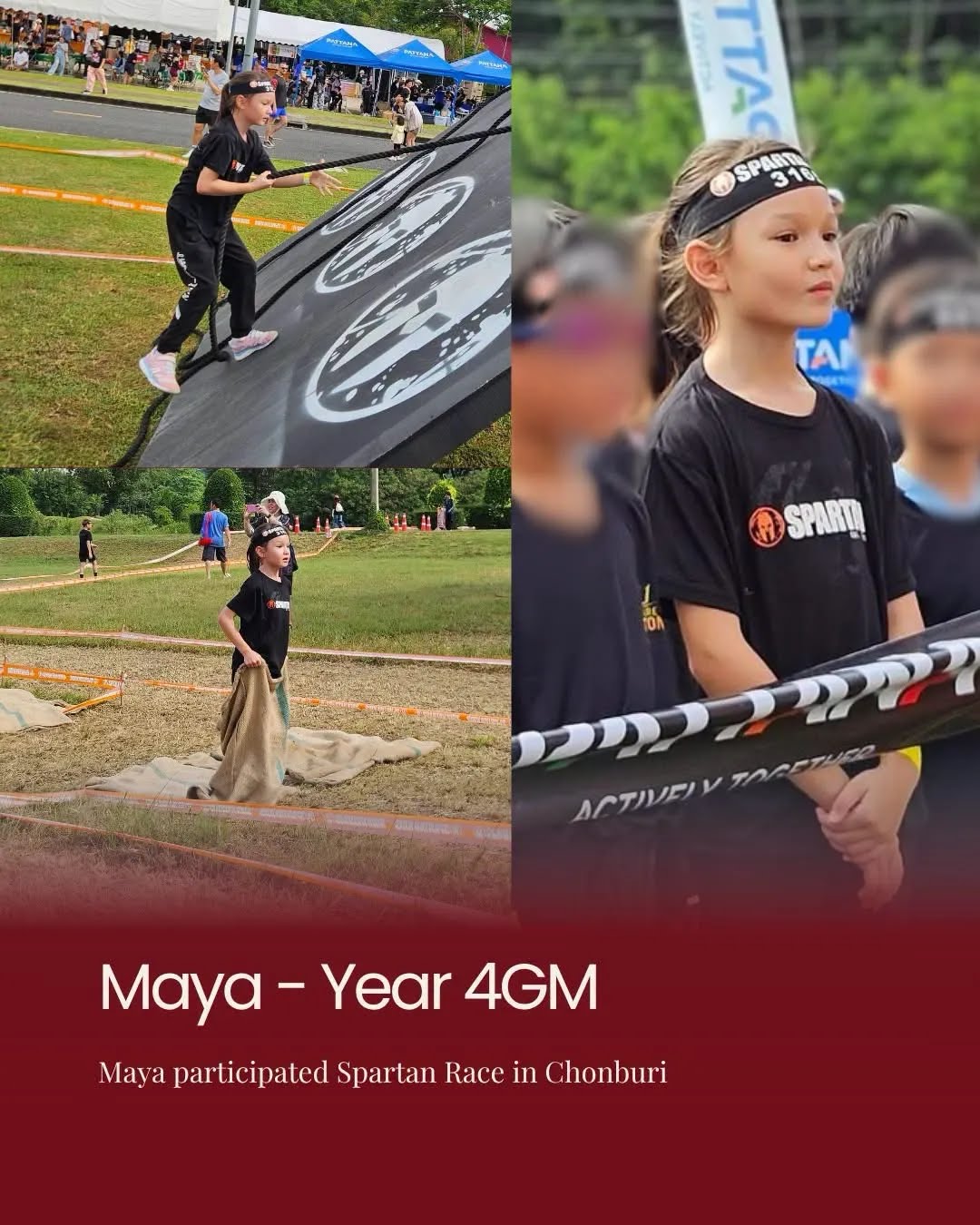
Maya Year 4GM Takes on the Spartan Race in Chonburi

Helena – Year 4LK | Platinum Award at JINYA International
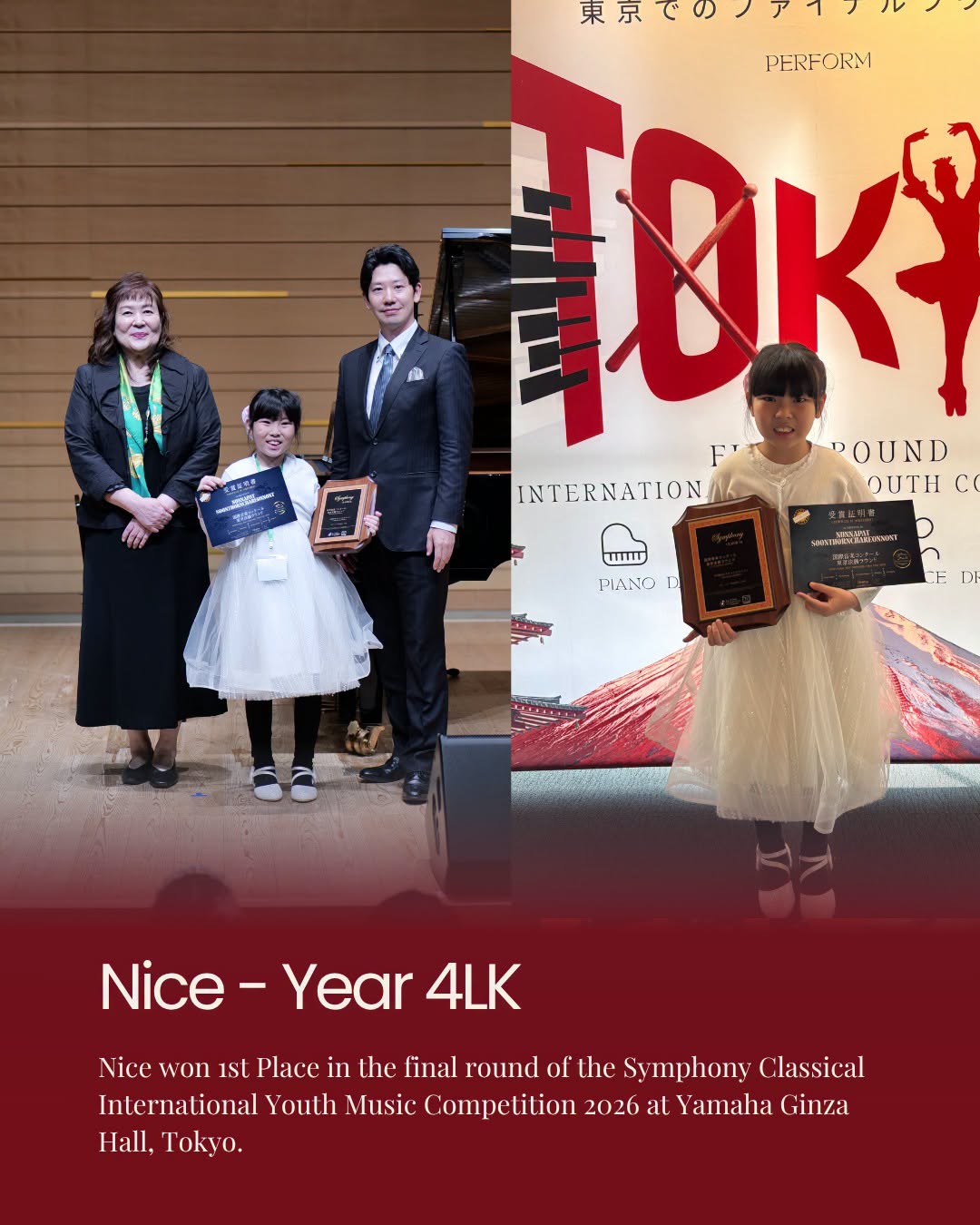
Nice – Year 4LK 1st Place at the Symphony Classical
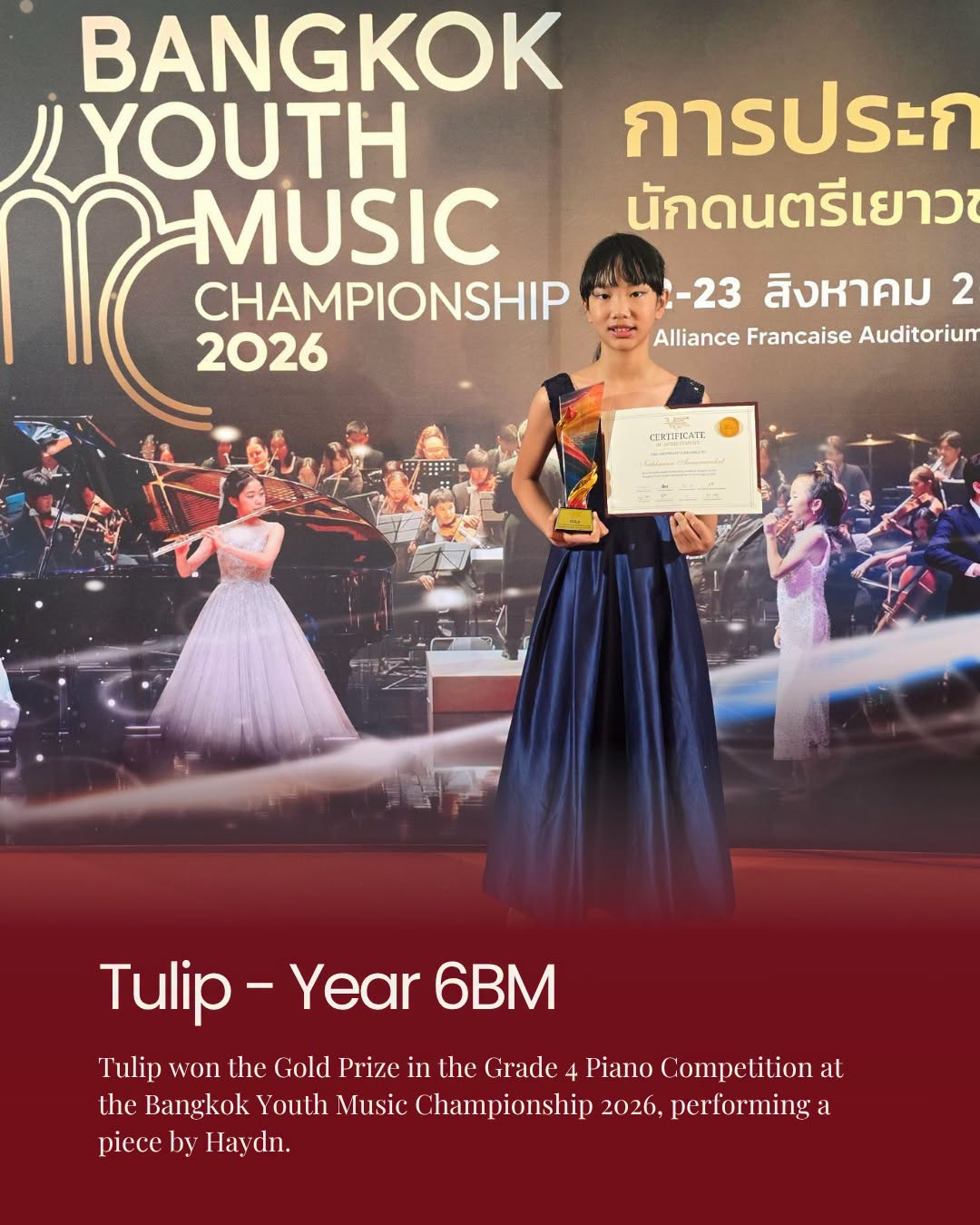
Tulip – Year 6BM Wins Gold Prize at Bangkok Youth
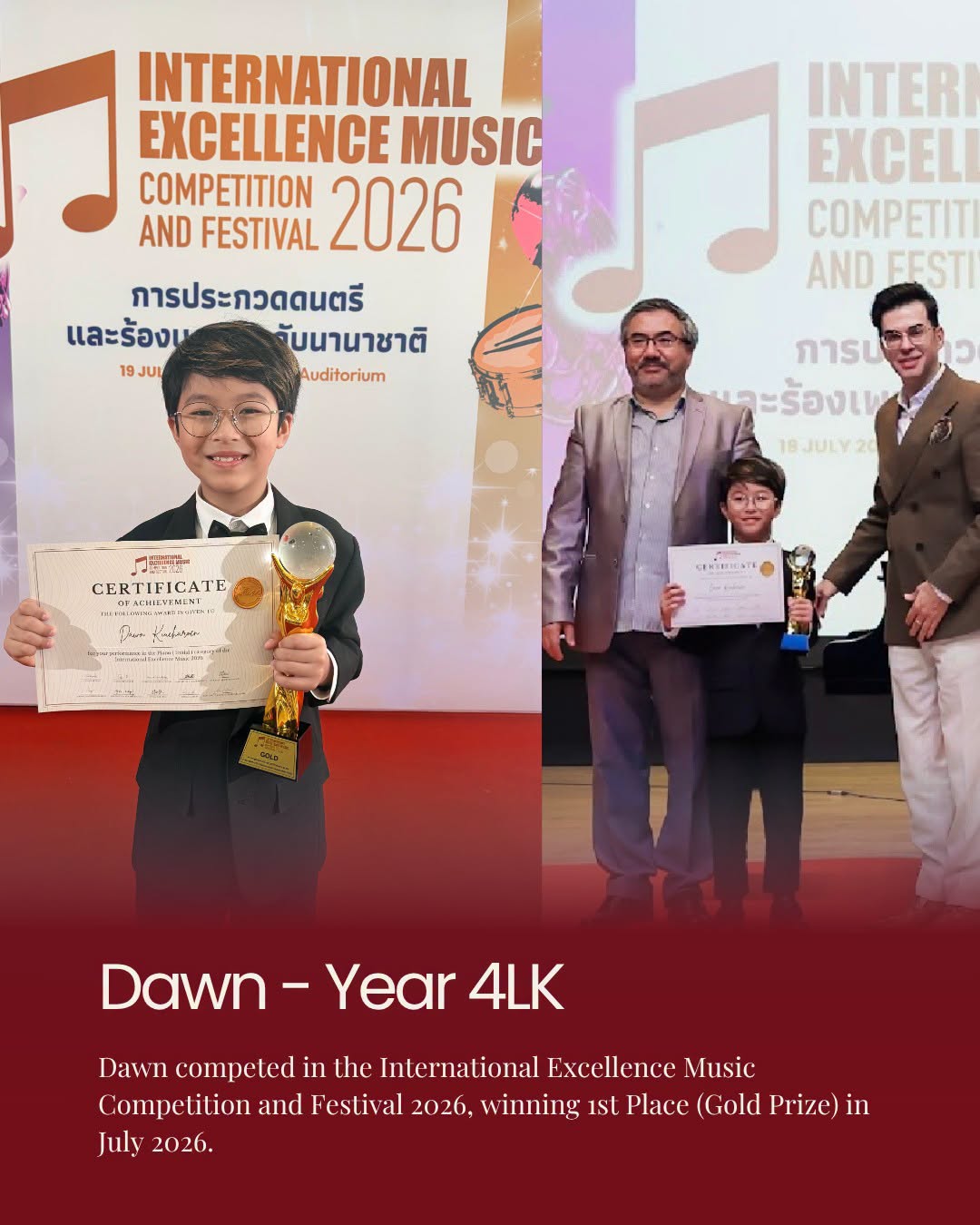
Dawn Wins Gold Prize at International Excellence Music Competition 2026