
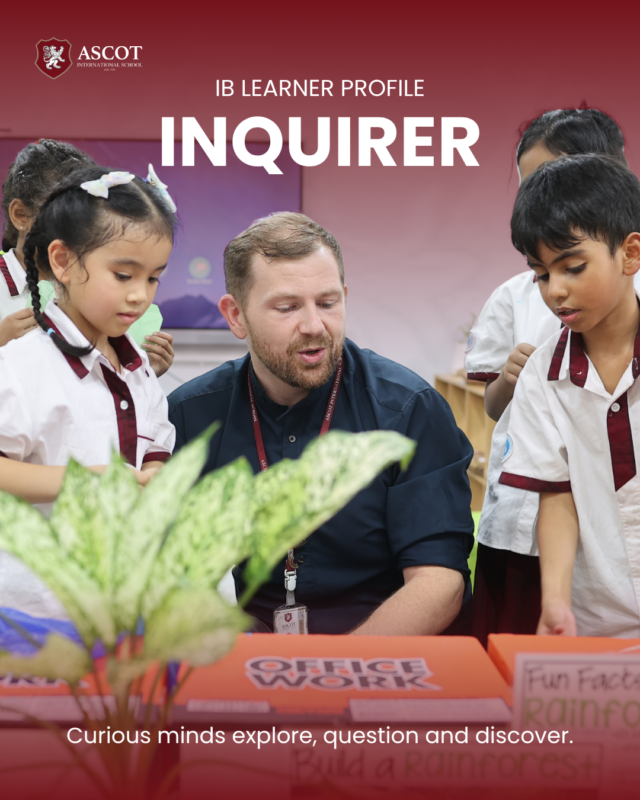
Children are naturally curious about the world around them.
They ask questions. They explore. They touch, observe, test and try. Sometimes a simple question such as “Why does this happen?” can lead to a much bigger learning experience.
At Ascot International School Bangkok, we believe that students should take an active role in their learning. Learning is not only about listening to a teacher or remembering information. Students should also have opportunities to explore ideas, ask meaningful questions and develop their own understanding.
This is closely connected to the IB Learner Profile, which describes important qualities that can help students grow as learners and as people.
One of these qualities is being an Inquirer.
But what does it mean to be an Inquirer? And how can curiosity help children become confident, independent and lifelong learners?
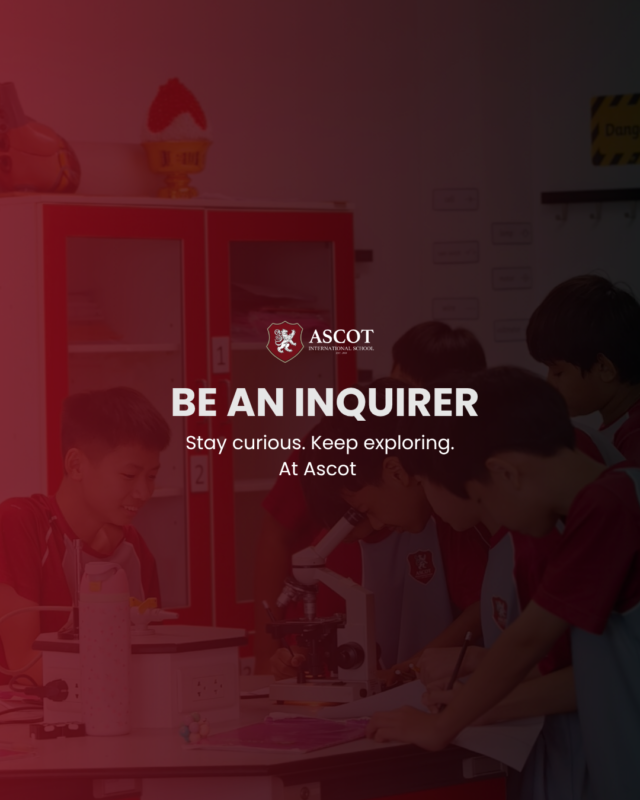
An Inquirer is a learner who is curious and wants to understand more about the world.
Inquirers develop the skills they need to ask questions, investigate ideas and find information. They learn both independently and with other people.
Being an Inquirer is not about having all the answers.
In fact, it often starts with not knowing something.
A student might notice something interesting and ask a question. They might discover a problem and wonder how to solve it. They might hear a new idea and want to understand it better.
These moments of curiosity can become the starting point for learning.
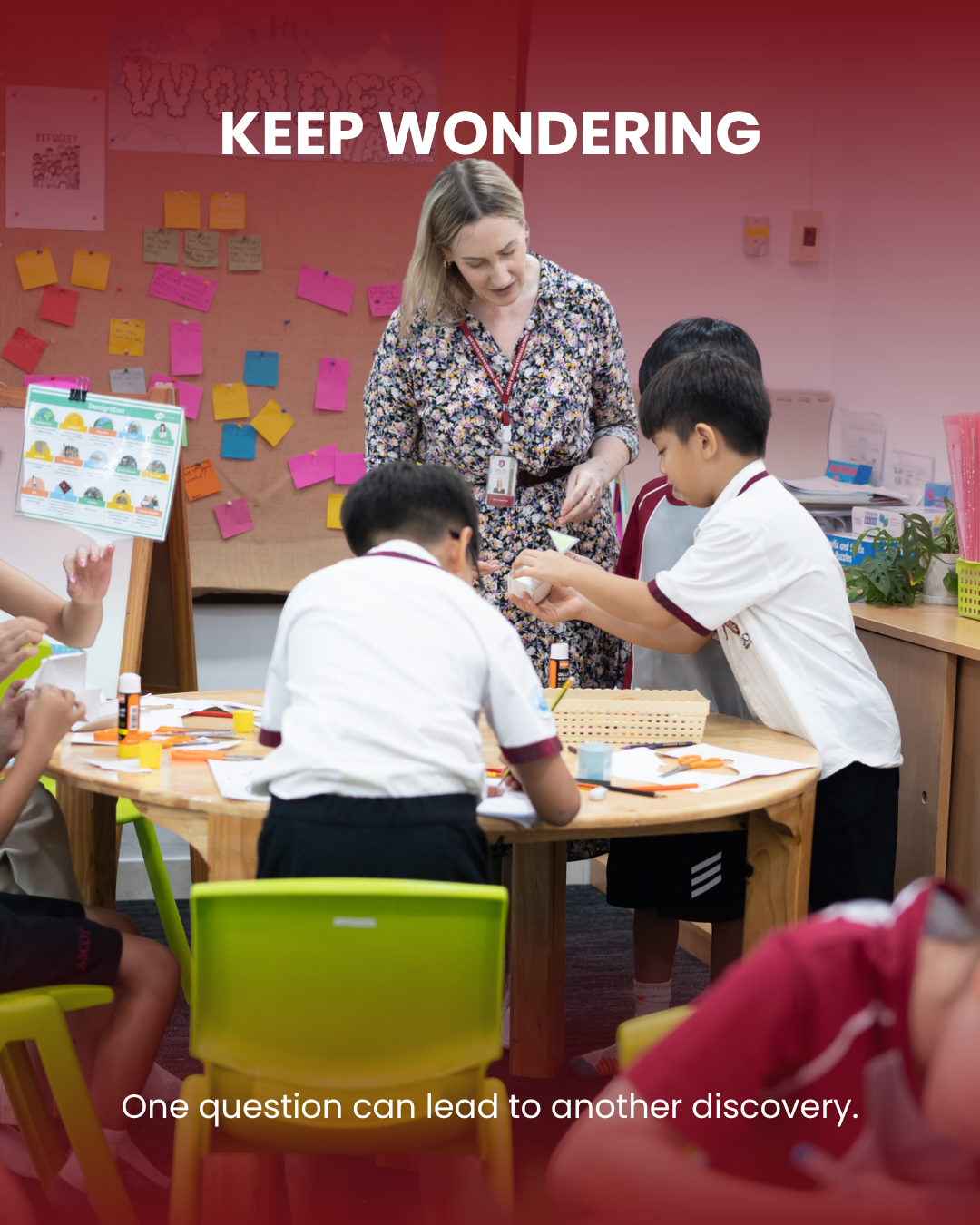
Instead of simply giving students every answer, teachers can guide them to think, investigate and discover.
This helps students understand that learning is something they can actively take part in.
Curiosity gives children a reason to learn.
When students are interested in a topic, they naturally want to know more. They may ask more questions, pay closer attention and become more involved in the learning process.
Imagine a child sees a small insect outside.
The child might ask:
“What is it?”
“Where does it live?”
“What does it eat?”
“Why does it have those colours?”
“Can it fly?”
A simple observation has suddenly created many opportunities for learning.
The child might look at the insect carefully, speak with a teacher, read a book, search for information or compare it with other insects.
This is inquiry in action.
The learning begins with curiosity, but it can develop into research, observation, communication and reflection.
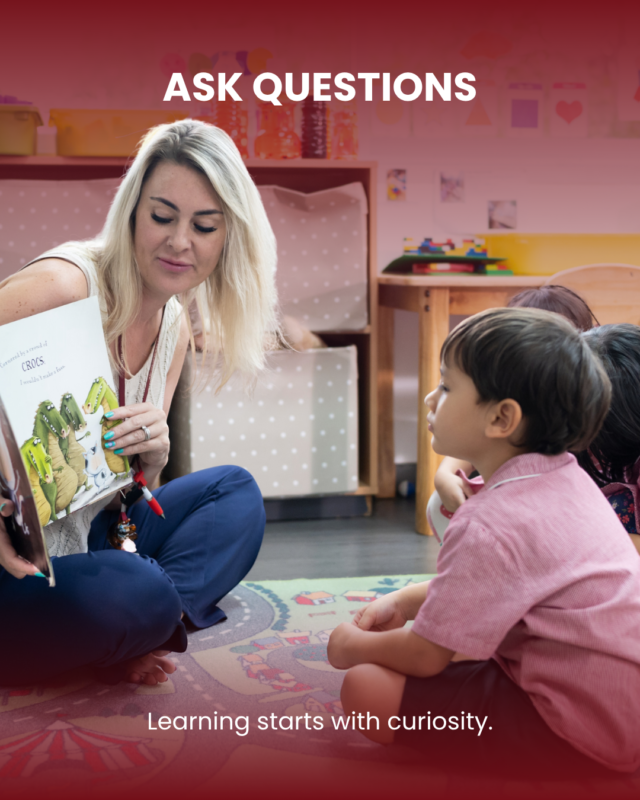
Questions are an important part of an inquiry-based learning environment.
Students should feel that it is okay not to know something. They should also feel comfortable asking questions when they are curious, confused or interested in learning more.
Some questions may have simple answers.
Others may not.
For example, a student might ask:
“Why does ice melt?”
Another student might ask:
“What would happen if there were no rules in our community?”
Both questions can lead to learning, but in very different ways.
The first might lead to a scientific investigation. The second could lead to discussion, different opinions and deeper thinking about society.
Students begin to understand that questions can help them explore the world from different perspectives.
They also learn that sometimes there can be more than one possible answer.
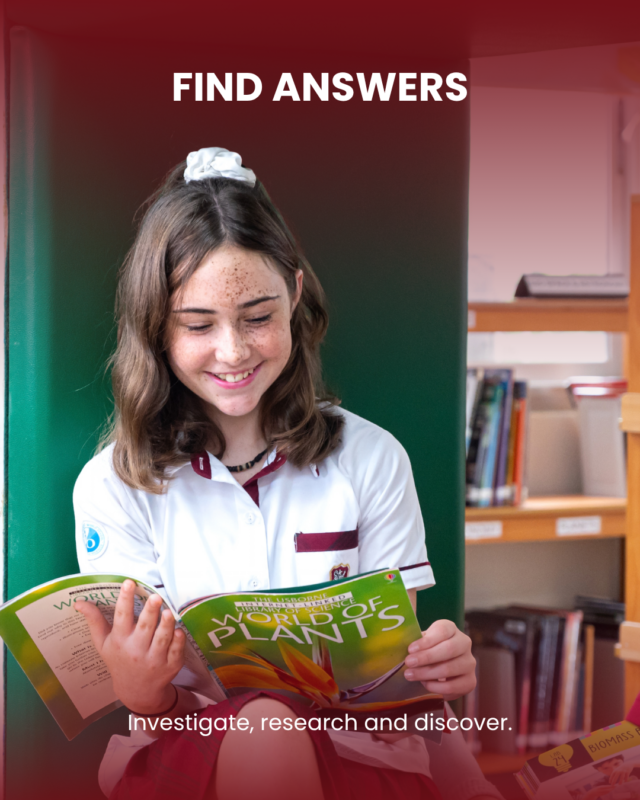
Being an Inquirer involves more than asking questions.
Students also need to develop the skills to explore those questions.
Depending on their age, this could include observing, reading, researching, interviewing someone, discussing ideas with classmates, carrying out an experiment or testing different solutions.
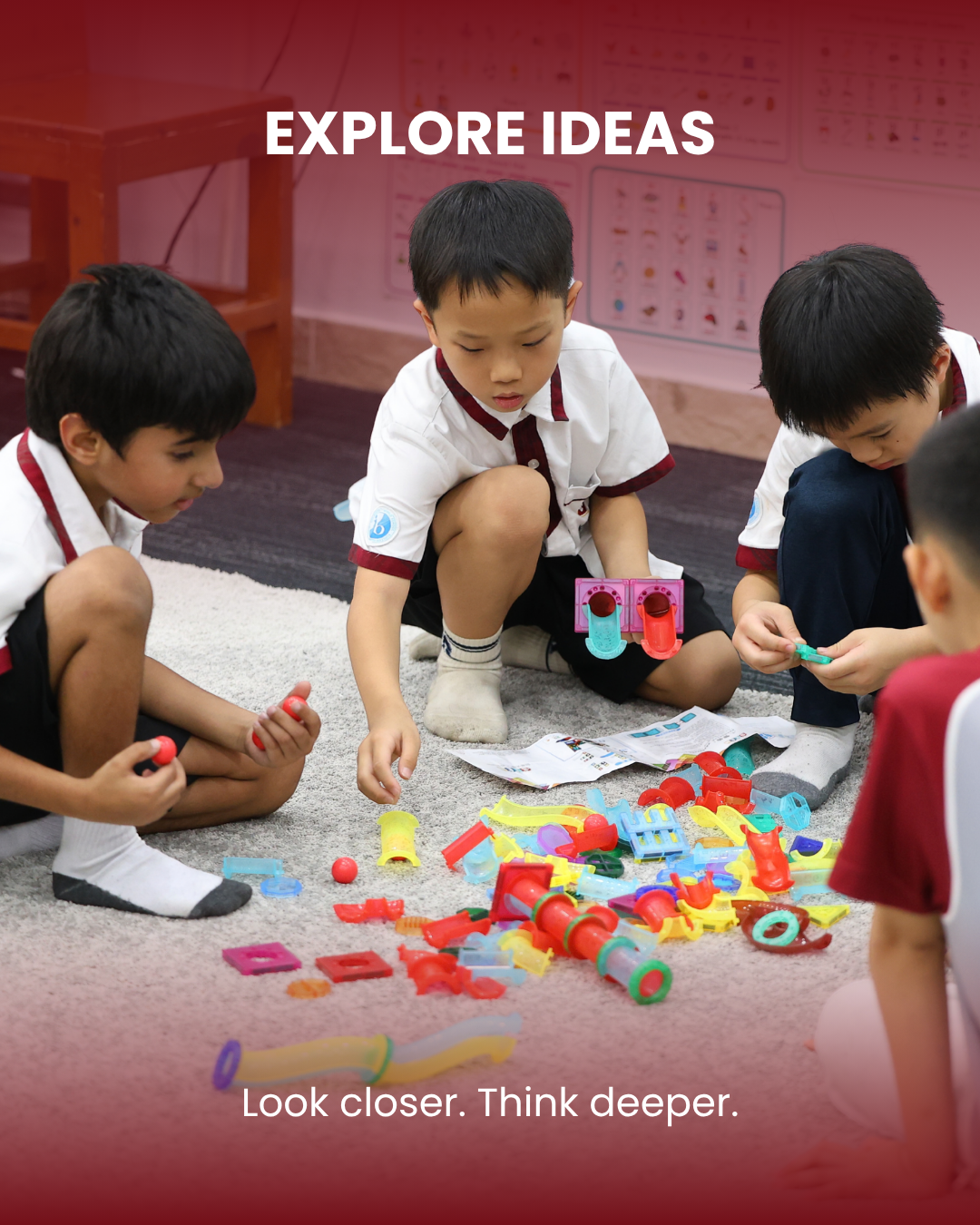
For younger children, inquiry may begin through play and exploration.
They may build a tower and discover that it keeps falling. Instead of simply being shown the correct way to build it, they can try again.
What happens if they use a wider block at the bottom?
What happens if the tower becomes too tall?
Through trial and error, they begin to understand balance, shape and structure.
Older students may investigate more complex questions through research, projects, experiments and discussion.
The process becomes more advanced, but the idea remains similar.
There is something they want to understand, so they explore it.
Inquiry is not limited to science.
Students can be Inquirers across many areas of learning.
Science naturally creates opportunities for investigation.
Students can make predictions, observe changes, conduct experiments and compare results.
Instead of only learning that something happens, they can explore why it happens.
This encourages students to connect scientific knowledge with evidence and observation.
Mathematics can also involve inquiry.
Students may explore different ways to solve the same problem.
One student might use a drawing. Another might use numbers. Someone else may find a completely different method.
Students can compare these approaches and discuss which methods work well in different situations.
This helps them understand that mathematics is not always about following one fixed process.
Reading can lead to many questions.
Students can think about why a character behaved in a certain way, what might happen next or what the writer is trying to communicate.
They can also connect a story to their own experiences.
Instead of only remembering what happened in the book, students begin to think more deeply about meaning.
Subjects connected to history, geography and society can encourage students to explore people, places, cultures and different perspectives.
Students may investigate why an event happened or how people from different backgrounds might understand the same situation differently.
This can help students become more open to different ideas and perspectives.
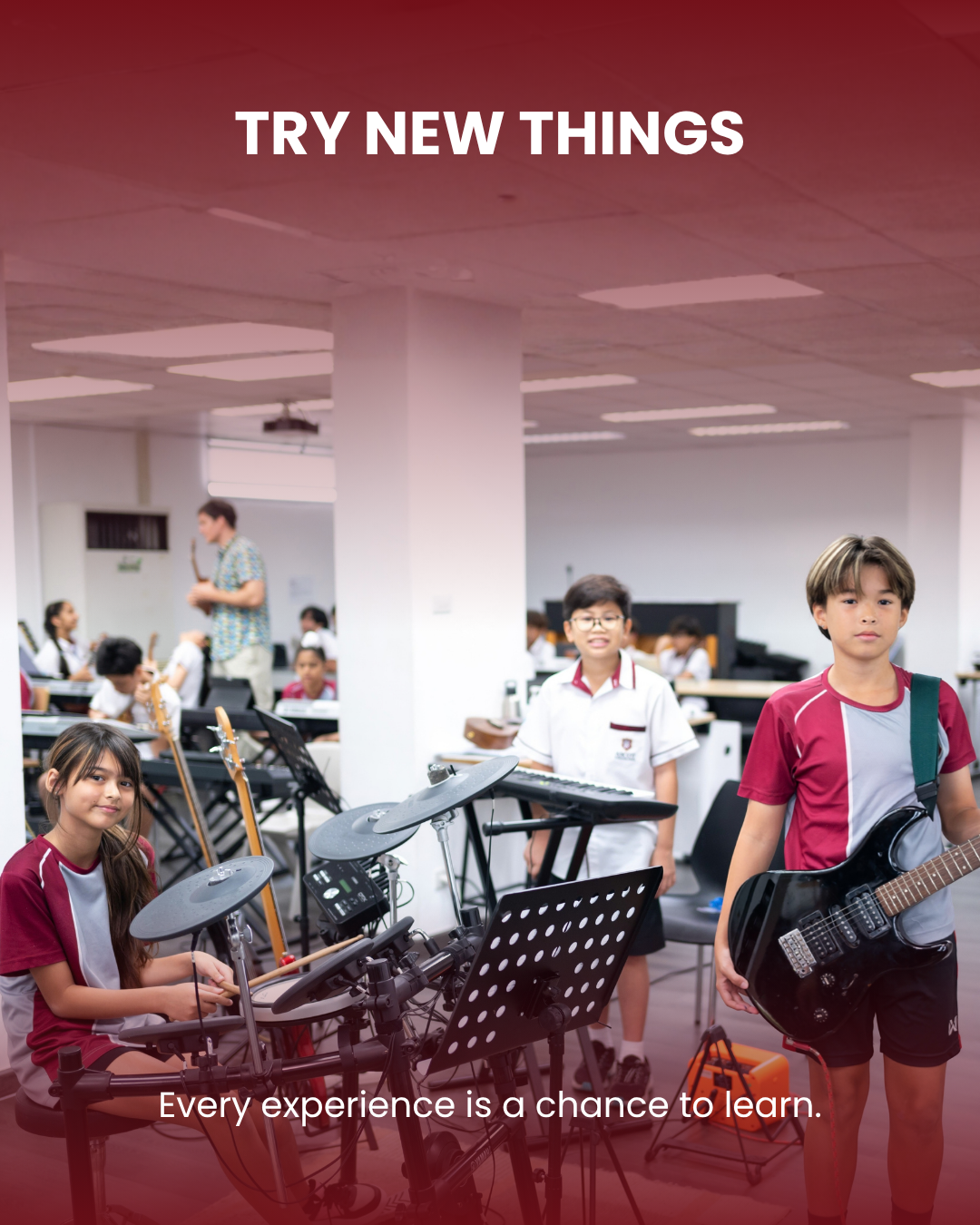
Creative subjects can also encourage inquiry.
Students may experiment with colours, materials, sounds, movement or different ways of expressing an idea.
There may not always be one correct result.
Students can try something, reflect on what happened and make changes.
This gives them space to develop their own ideas and creative confidence.
Young children are often natural Inquirers.
They are constantly discovering things for the first time.
A walk around the school can become an opportunity to listen to different sounds. Playing with water can become an exploration of movement and volume. Looking at leaves can lead to conversations about colours, shapes, seasons and nature.
At this age, inquiry does not need to look like formal research.
It can begin with simple experiences.
“What can you hear?”
“What do you notice?”
“What do you think will happen?”
“Why do you think that happened?”
Questions like these encourage children to observe and think.
Teachers can then support children by giving them time and space to explore their ideas.
As children grow, inquiry can help them become more independent.
A student who is used to asking questions may be more comfortable when they meet something they do not understand.
Instead of immediately giving up, they can think:
What do I already know?
What do I need to find out?
Where could I find this information?
Who could I ask?
What could I try?
This does not mean students have to learn everything alone.
Teachers continue to play an important role by guiding learning, asking questions, providing resources and helping students develop the skills they need.
However, students gradually learn that they also have responsibility for their own learning.
This can build confidence and encourage greater independence.
Inquiry does not always lead to the expected answer.
Sometimes an experiment does not work.
Sometimes an idea needs to be changed.
Sometimes the first solution to a problem is not successful.
These experiences are also part of learning.
When students feel safe to explore and try different ideas, a mistake can become an opportunity to ask another question.
“What happened?”
“Why did it happen?”
“What could I change?”
“What should I try next?”
Students begin to see learning as a process rather than something that must always be correct the first time.
This can help them become more willing to try, reflect and improve.
Being an Inquirer does not always mean working independently.
Some of the most interesting questions can be explored together.
Students may work in pairs or groups to share ideas, compare information and discuss different possibilities.
One student may notice something that another student did not see.
Someone may ask a question that changes the direction of the discussion.
Another student may have a different opinion.
By listening and responding to each other, students can develop their understanding together.
This also helps them practise communication, collaboration and respect for different ideas.
One of the important ideas behind inquiry is that learning does not need to stop when a lesson ends.
The world around us is full of things to investigate.
A visit to a park can create questions about plants, animals and the environment.
Cooking can introduce ideas about measurement, temperature and change.
A journey through Bangkok might lead to questions about transport, communities, architecture or the environment.
Even a conversation at home can encourage children to think more deeply.
Parents can support inquiry without needing to know every answer.
When a child asks a question, sometimes a useful response can simply be:
“What do you think?”
“How could we find out?”
“Why do you think that happened?”
These questions can encourage children to continue thinking instead of waiting for an immediate answer.
School prepares children for more than their next lesson or examination.
Students are growing up in a world where information, technology and society continue to change.
They will meet situations in the future that they cannot fully prepare for today.
This is why the ability to continue learning is so important.
An Inquirer understands that learning is an ongoing process.
There will always be another question to ask, another idea to explore and something new to understand.
By developing curiosity at school, students can build habits that continue throughout their lives.
They can become people who are willing to explore unfamiliar ideas, search for information and continue developing their knowledge.
At Ascot International School, students are encouraged to take an active role in their learning.
Across different stages of the school, learning can begin with a question, an observation, a challenge or an interesting idea.
Teachers create opportunities for students to explore, discuss, investigate and make meaning from their experiences.
Sometimes this happens during a planned classroom investigation. At other times, it can happen naturally when a student notices something and asks a question that opens a new direction for learning.
These moments matter.
They help students understand that their questions have value.
They also show students that learning is not simply something that happens to them. It is something they can take part in.
Families can also support curiosity in simple ways.
It does not require special equipment or complicated activities.
If your child asks a question, explore the answer together.
When you are outside, encourage them to notice what is around them.
When reading a book, ask what they think might happen next.
When something does not work, ask what they could try differently.
If they are interested in a particular topic, help them find books, videos or other resources to explore it further.
Most importantly, give children opportunities to ask questions.
Not every question needs an immediate answer.
Sometimes the journey of finding the answer is where the most valuable learning happens.
Being an Inquirer is about more than curiosity.
It is about developing the confidence and skills to turn curiosity into learning.
Students learn to ask questions, investigate ideas, find information, communicate what they discover and reflect on what they have learned.
They also begin to understand that not knowing something is not a problem.
It can be an opportunity.
A question can lead to an experiment.
An observation can lead to a discussion.
A problem can lead to a new solution.
And a small moment of curiosity can sometimes begin a much bigger learning journey.
At Ascot International School Bangkok, we want students to continue asking questions, exploring possibilities and discovering more about themselves and the world around them.
Because learning does not always begin with an answer.
Sometimes, it begins with a simple question:
“Why?”
Stay curious. Keep asking. Keep discovering.
Ascot International School | A School Where Everyone Belongs