

MYP Subjects and Assessment at Ascot International School Bangkok
Understanding What Students Learn and How Their Progress Is Measured
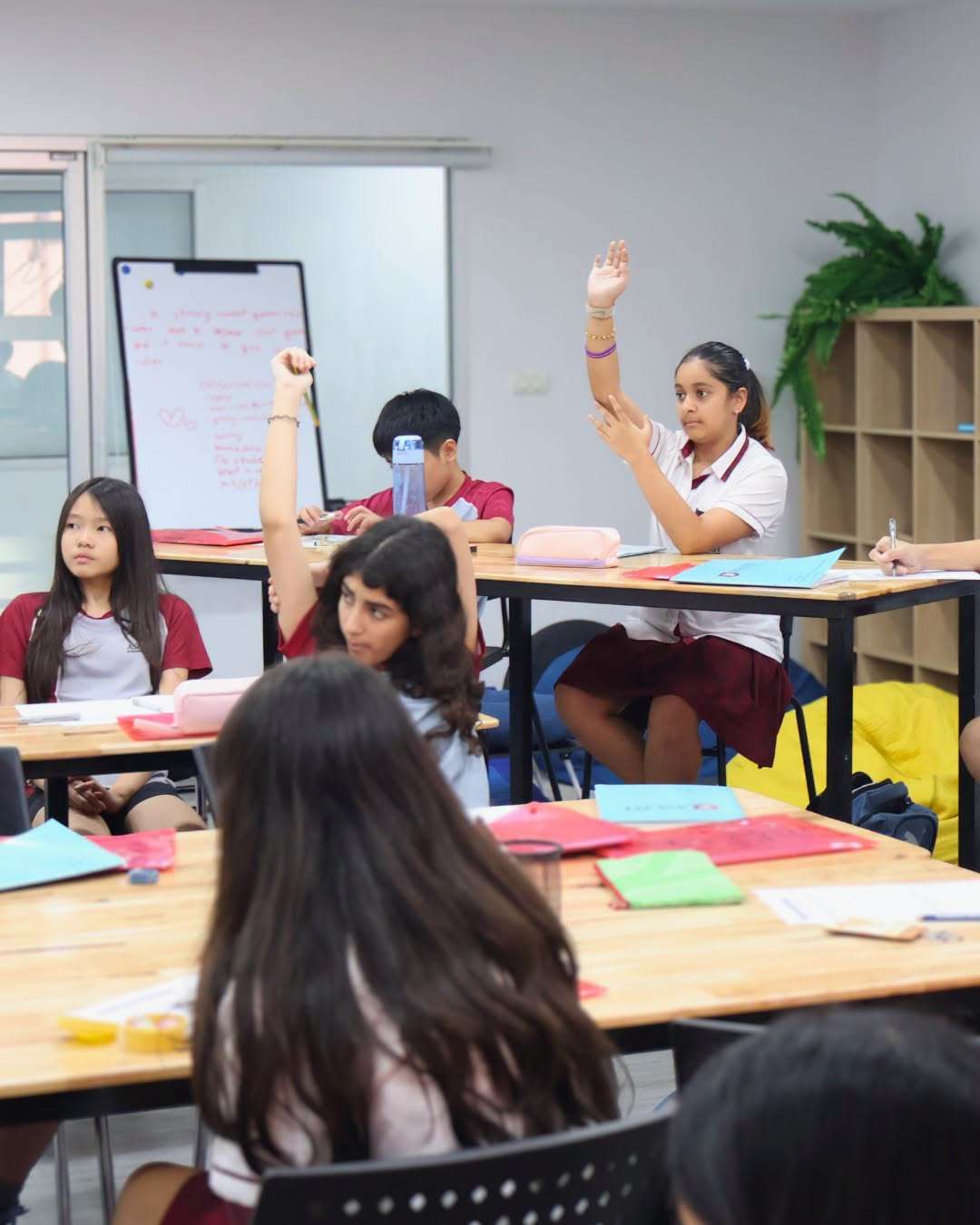
Choosing the right secondary school is an important decision for every family. Parents want to understand what their children will study, how they will develop important skills and how their academic progress will be assessed.
At Ascot International School Bangkok, the IB Middle Years Programme (MYP) provides students in Years 7–11 with a broad and balanced education. Students study a range of subjects while developing knowledge, confidence, independence and essential learning skills.
An important part of the MYP is its approach to assessment. Rather than focusing only on examinations or memorising information, students are assessed on different aspects of their learning, including their understanding, communication, investigation and ability to apply knowledge.
In this article, we explore the MYP subjects and assessment at Ascot, including the eight subject groups, subject choices in Years 10 and 11, assessment criteria and how student progress is reported.
What Subjects Do Students Study in the MYP?
The IB Middle Years Programme is organised into eight subject groups, providing students with opportunities to explore different areas of learning.
At Ascot International School Bangkok, subject content is based on English National Curriculum standards, while the MYP provides the framework for teaching and learning.
Each subject is taught by a subject-specialist teacher, allowing students to develop their knowledge and skills through lessons, investigations, discussions and practical activities.
1. Language and Literature
Language and Literature helps students develop their reading, writing, speaking and analytical skills.
At Ascot, the subject group includes English, Thai and Mandarin.
Students explore different types of texts, learn how writers communicate ideas and develop their ability to express opinions clearly.
For example, in an English unit called The Power of Perseverance, students investigate how authors use storytelling to explore themes such as justice, power and friendship.
Through these learning experiences, students strengthen their understanding of language while developing critical thinking and communication skills.
2. Language Acquisition
Language Acquisition focuses on helping students develop communication skills in an additional language.
At Ascot, language learning includes English, Thai and Mandarin, depending on students' learning pathways.
Students develop their listening, speaking, reading and writing skills while exploring the relationship between language and culture.
For example, students may investigate how greetings and etiquette differ across cultures and how understanding these differences supports effective communication.
This helps students develop language skills alongside cultural awareness and respect for different perspectives.
3. Individuals and Societies
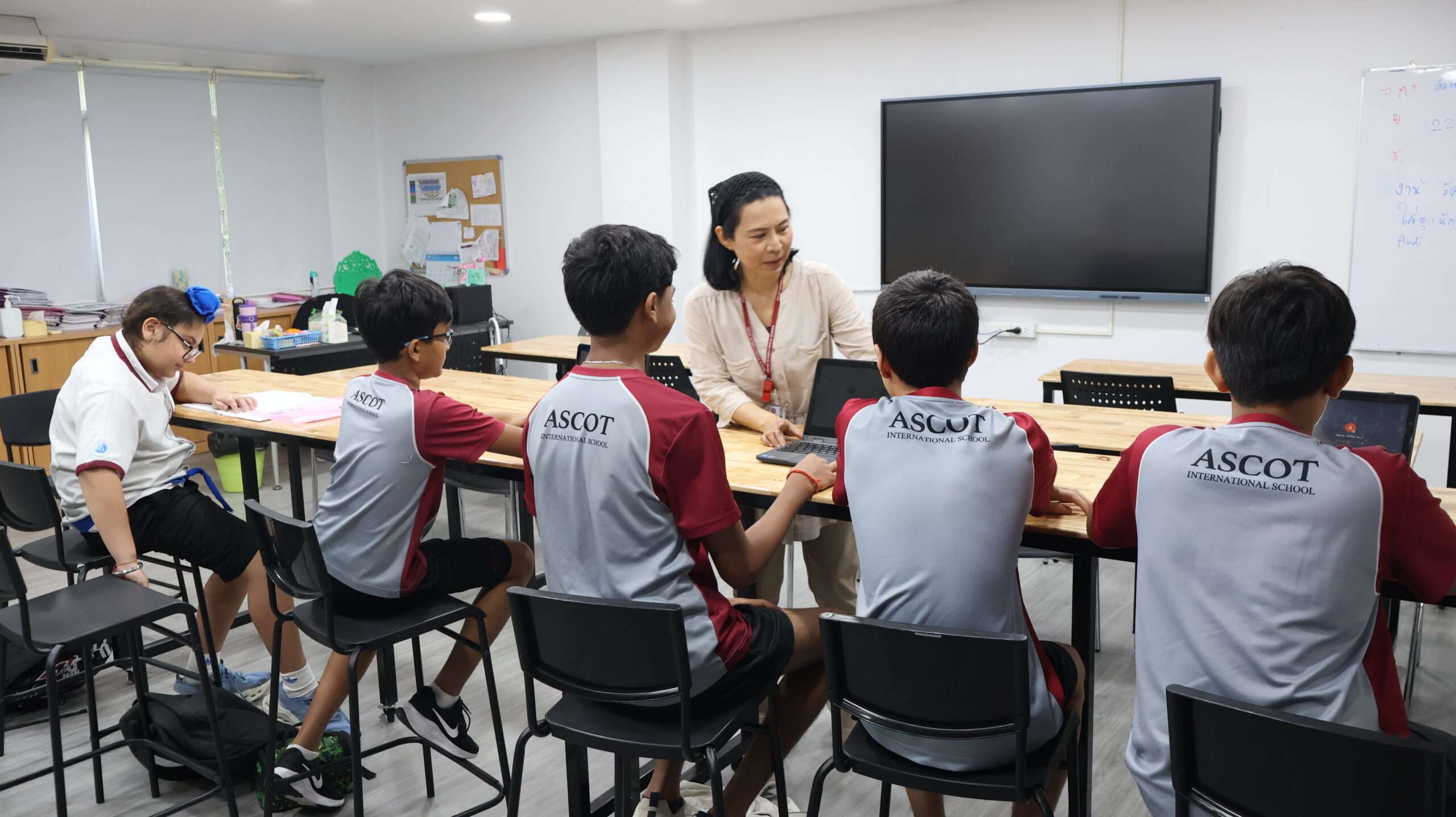
Individuals and Societies helps students understand how people, communities and societies function.
This subject group includes areas such as:
- History
- Geography
- Politics
- Other areas of social studies
Students explore historical events, geographical patterns, social issues and different perspectives on the world.
Learning activities encourage students to investigate information, consider evidence and communicate their understanding.
For example, Year 10 students at Ascot have explored psychological theories through visual mapping activities, helping them organise information and understand connections between different ideas.
4. Sciences
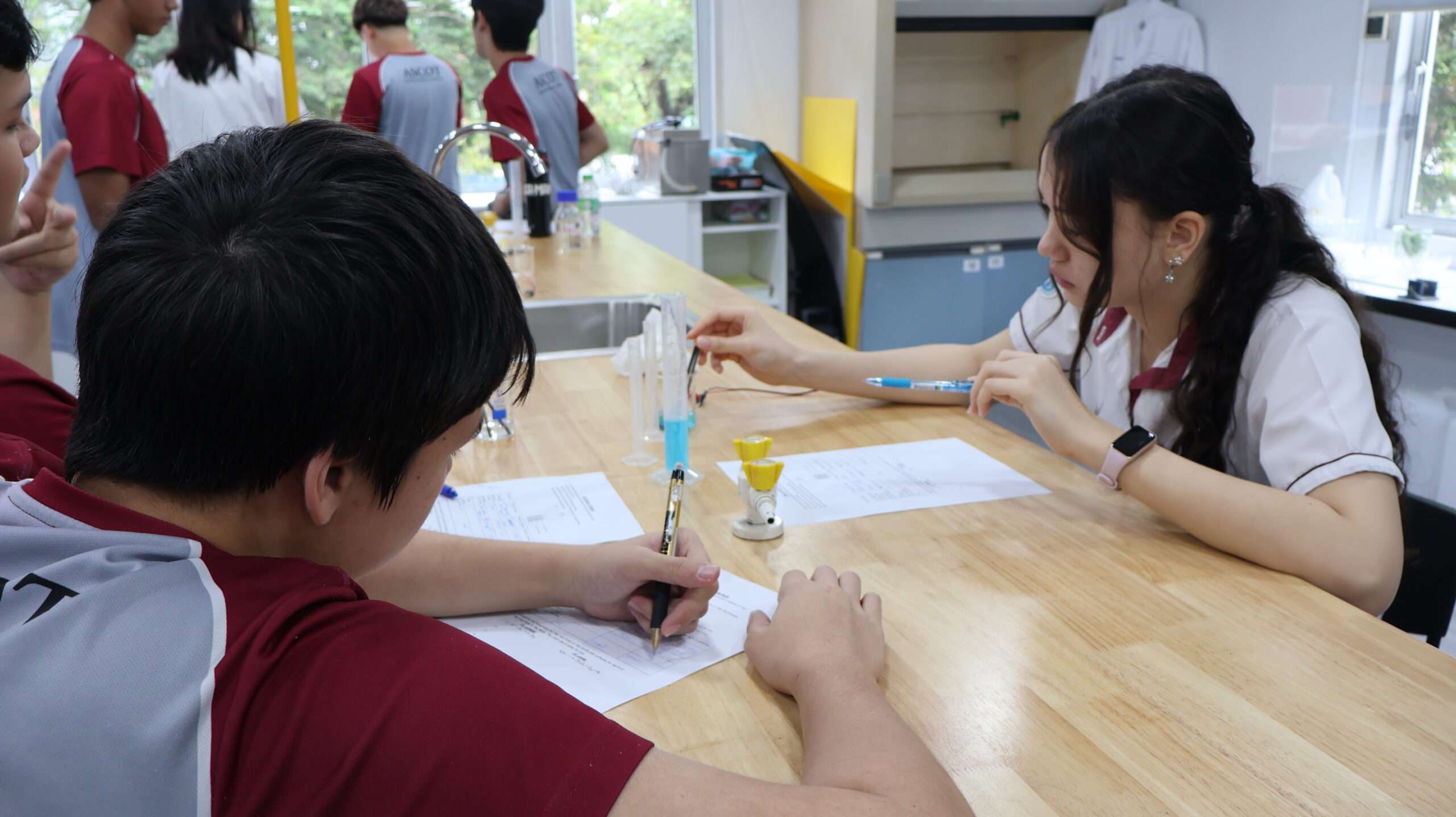
Science encourages students to explore the natural world through investigation, observation and scientific reasoning.
At Ascot, science learning includes:
- Biology
- Chemistry
- Physics
- Environmental Science
Students develop scientific knowledge while learning how to investigate questions, analyse information and evaluate evidence.
Science also provides opportunities for interdisciplinary learning.
For example, in a unit called Adaptation and Survival, students connect Science with Art and English to explore how living organisms adapt to their environments.
These experiences help students understand scientific ideas and their connections to the world around them.
5. Mathematics
Mathematics helps students develop numerical understanding, logical reasoning and problem-solving skills.
Students explore mathematical concepts and learn how to apply them in different situations.
At Ascot, mathematics lessons can include practical activities that encourage students to investigate and discuss mathematical ideas.
For example, students have explored straight-line equations through classroom activities that help them understand mathematical relationships.
Mathematics can also connect with Physical and Health Education.
In a unit called Basketball Skills and Statistics, students explore how measurement, data analysis and mathematical understanding can be used to investigate basketball performance.
This helps students recognise how mathematics can be applied beyond the classroom.
6. Arts
The Arts provide students with opportunities to develop creativity, self-expression and artistic understanding.
At Ascot, students explore:
- Visual Art
- Music
Students learn to develop creative ideas, practise artistic techniques and respond to different forms of expression.
For example, a unit exploring Portraits and Identity encourages students to consider how visual elements, collage techniques and written words can communicate personal identity.
Arts education helps students develop creative thinking while exploring connections between culture, identity and communication.
7. Physical and Health Education
Physical and Health Education supports students' physical development, health and wellbeing.
Through different physical activities, students develop movement skills, teamwork, communication and decision-making abilities.
Students also learn to plan, perform and reflect on their physical development.
For example, invasion games help students develop strategic thinking, teamwork and effective communication.
These learning experiences encourage students to understand the importance of physical activity while developing skills that support their overall wellbeing.
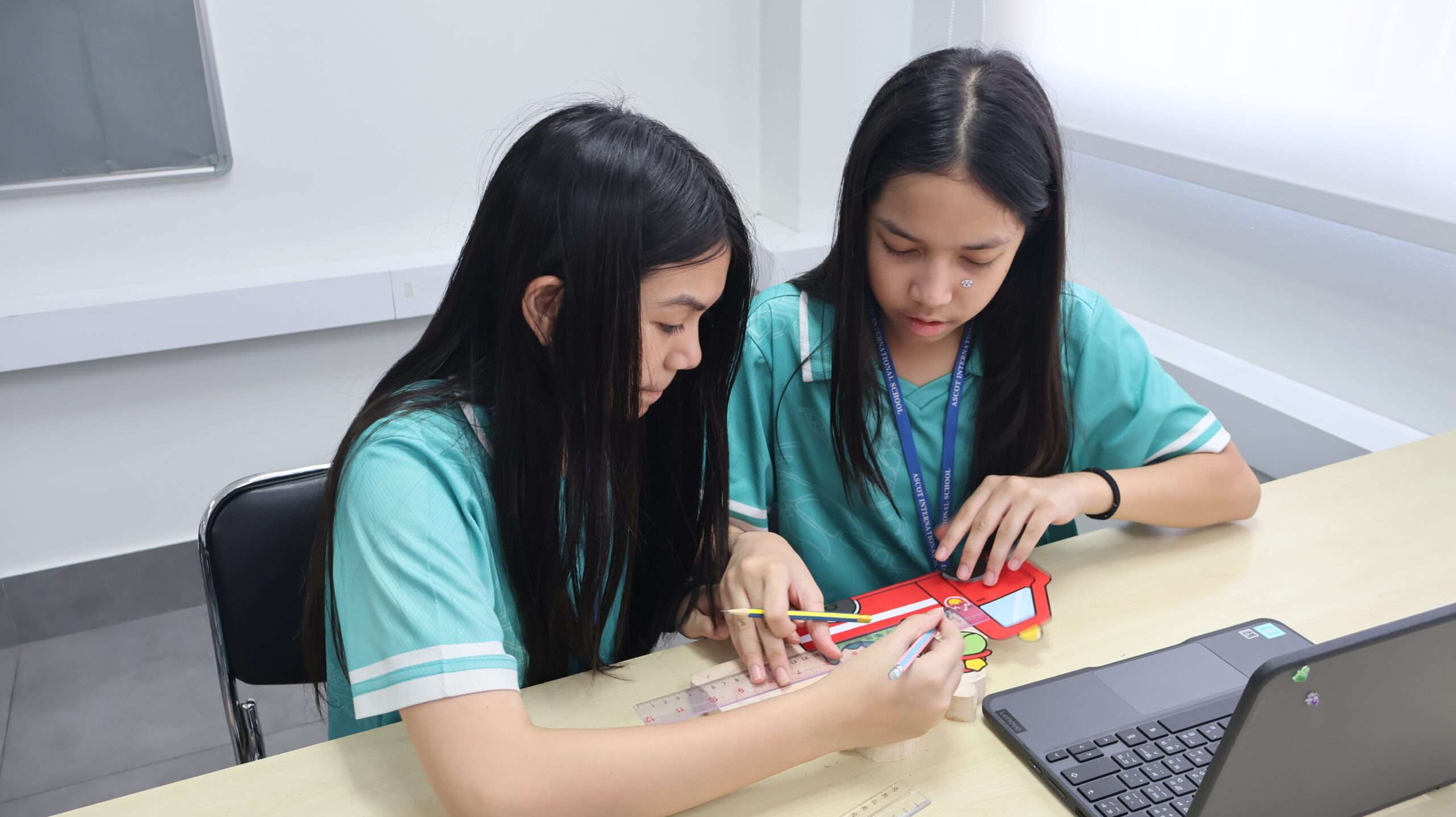
8. Design
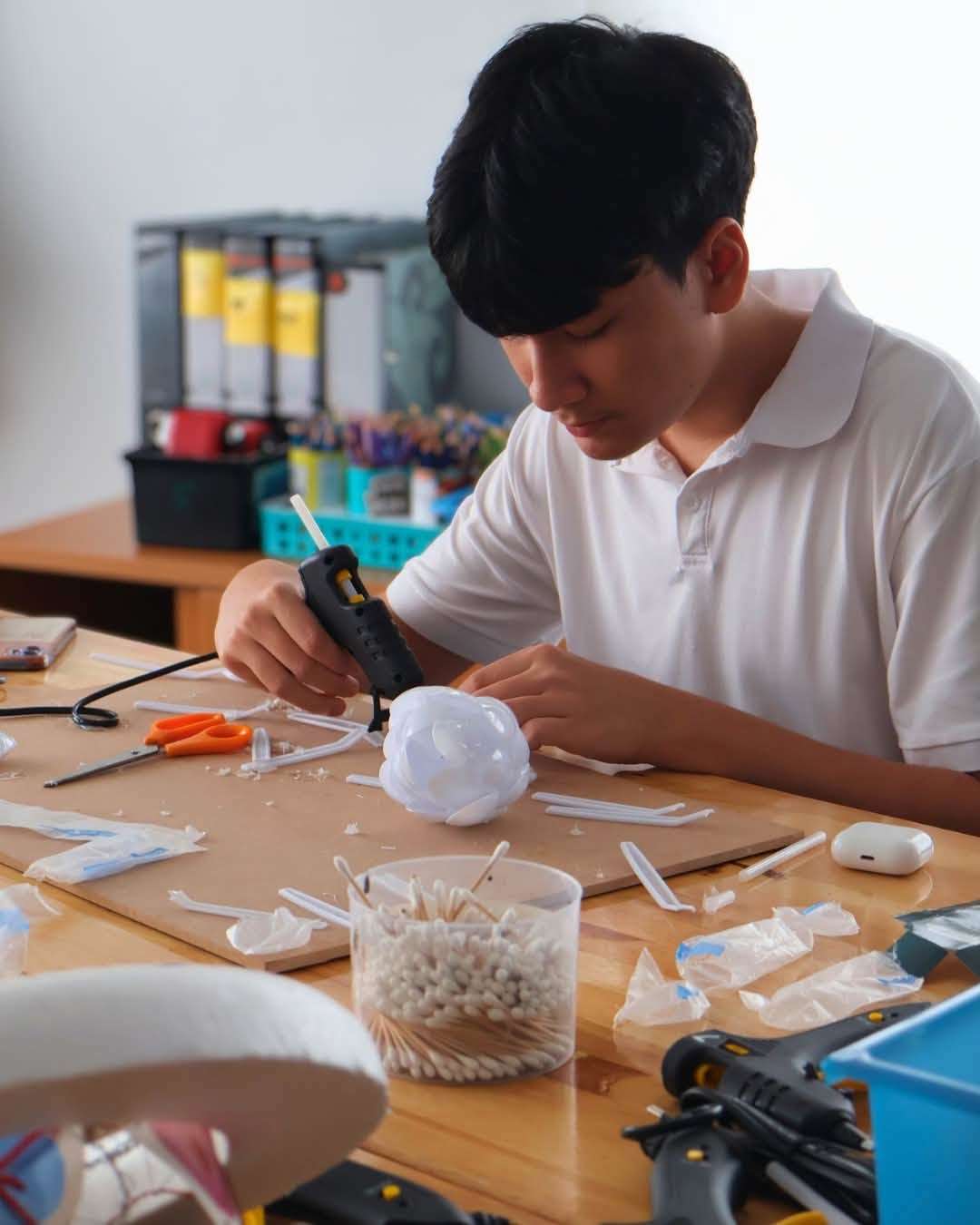
Design encourages students to identify problems, develop ideas and explore practical solutions.
Students learn to investigate needs, plan solutions, create designs and evaluate their work.
The subject supports creativity, organisation and problem-solving.
Design also provides opportunities to connect with other subjects.
For example, students may explore how digital tools can display maps and geographical information from different perspectives.
Through these activities, students develop their ability to approach challenges creatively and consider different solutions.
Subject Choices in Years 10 and 11
As students progress into Years 10 and 11, known as MYP 4 and MYP 5, they have opportunities to explore particular subject areas in greater depth.
At Ascot, students continue studying six compulsory subject areas:
- Language and Literature
- Language Acquisition
- Mathematics
- Sciences
- Individuals and Societies
- Design
Alongside these compulsory subjects, students select two flexible subject options.
First Subject Choice
Students choose one of the following:
- Visual Arts
- Music
- Physical and Health Education
Second Subject Choice
Students choose one of the following:
- Extended Sciences
- Extended Humanities
- Mandarin
The programme also includes Passion Projects, sports and games, as well as the Year 11 Personal Project.
These opportunities allow students to maintain a broad academic foundation while exploring subjects that reflect their interests and strengths.
How Does Assessment Work in the IB Middle Years Programme?
Assessment is an important part of learning in the MYP.
It helps teachers understand student progress while providing students with information about their strengths and areas for improvement.
At Ascot, each subject is organised into units of inquiry. Through these units, students develop knowledge, skills and conceptual understanding.
Students are assessed using four subject-specific criteria, known as Criteria A, B, C and D.
Each criterion focuses on a different aspect of learning, depending on the subject.
For example, Mathematics assesses students' understanding of mathematical concepts alongside their ability to investigate, communicate and apply mathematical knowledge.
In other subjects, assessment may focus on different skills, such as analysing information, developing ideas, creating solutions or reflecting on performance.
At Ascot, each assessment criterion is assessed at least twice per year, allowing teachers to evaluate different aspects of student achievement.
Understanding the Four MYP Assessment Criteria
Although all MYP subjects use four assessment criteria, the specific focus of each criterion depends on the subject.
This means students are not assessed in exactly the same way across Mathematics, Science, Languages, Arts and other subject areas.
For example:
Mathematics
Assessment includes students' knowledge and understanding of mathematical concepts, as well as their ability to investigate mathematical relationships, communicate their reasoning and apply mathematics in different contexts.
Sciences
Assessment considers scientific understanding alongside students' ability to investigate questions, work with evidence and evaluate scientific information.
Language and Literature
Students demonstrate their understanding through activities that involve analysing texts, organising ideas, producing written work and using language effectively.
Arts
Assessment considers students' artistic understanding, development of creative skills, creative thinking and responses to artistic work.
Design
Students demonstrate their learning through investigating problems, developing ideas, creating solutions and evaluating outcomes.
These examples show how MYP assessment recognises different areas of student achievement rather than relying on subject knowledge alone.
What Are MYP Assessment Rubrics?
An assessment rubric is a guide that describes what students are expected to demonstrate at different achievement levels.
Rubrics help teachers evaluate student work using clear criteria. They also help students understand what successful learning looks like.
For example, in Year 7 Mathematics, Criterion A focuses on Knowing and Understanding.
Students are assessed on their ability to select appropriate mathematical methods, apply these methods to solve problems and demonstrate their understanding.
The rubric describes different levels of achievement, helping students recognise how they can improve their work.
By using assessment rubrics, teachers can provide feedback that supports students in understanding their progress and identifying their next learning goals.
Encouraging Students to Take Part in Assessment
At Ascot, students are encouraged to become active participants in their learning.
This includes understanding learning goals, reflecting on their progress and discussing what successful work should look like.
One approach involves co-creating success criteria with students.
Through this process, students work with teachers to explore the qualities of successful work and understand how their learning will be evaluated.
This encourages students to take greater responsibility for their progress.
Students also have opportunities to reflect on their learning at the end of units of inquiry.
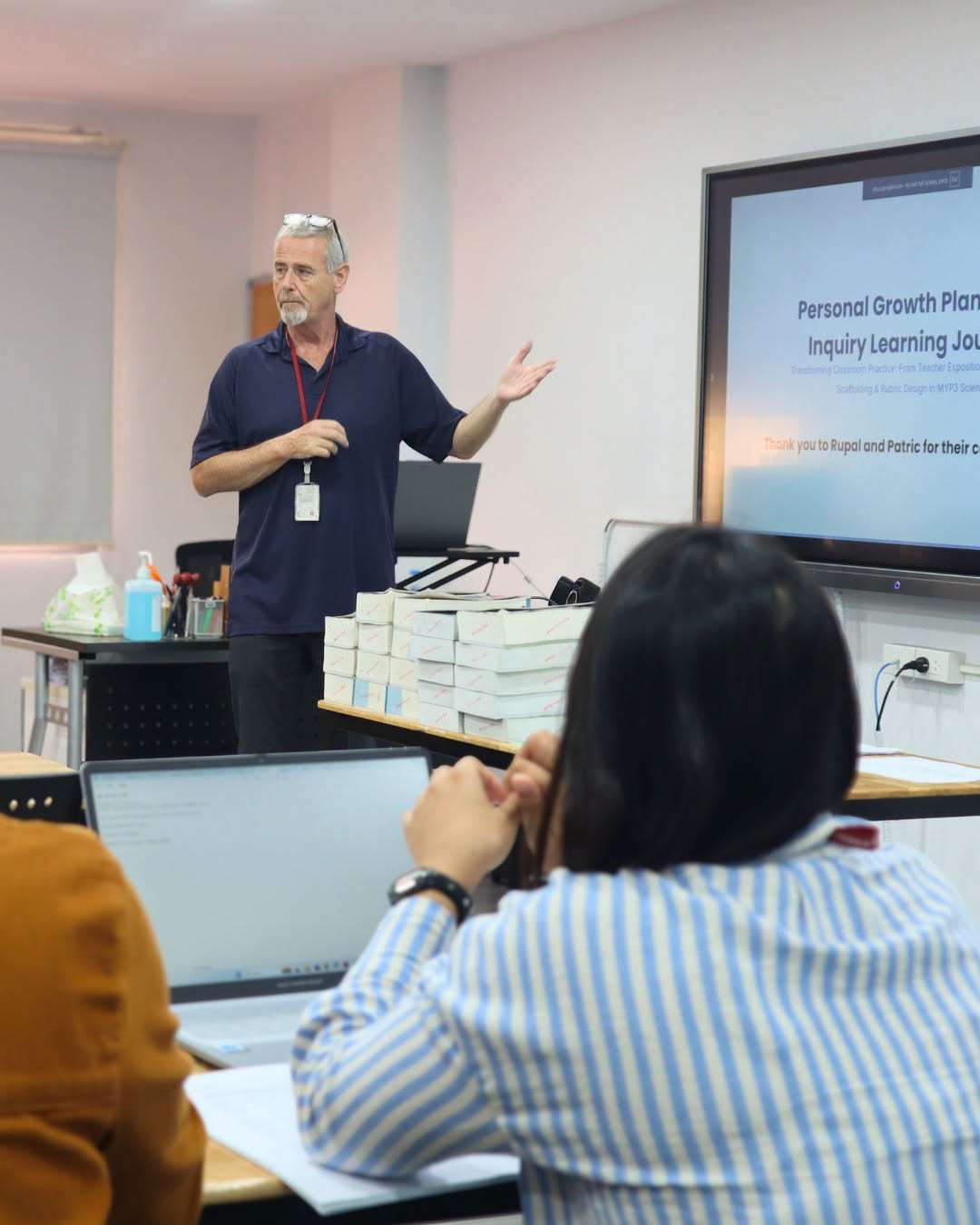
For example, the MYP Parent Workshop presentation includes examples of Year 9 English students developing statements of inquiry and completing end-of-unit reflections.
These activities help students think about what they have learned, how their understanding has developed and what they may need to improve.
How Do Parents Receive Information About Student Progress?
Communication between school and home plays an important role in supporting student learning.
At Ascot, the MYP reporting structure includes:
- Term 1 reports
- Term 2 reports
- End-of-year reports
Reports provide information about student achievement across different subject areas.
The MYP assessment approach allows teachers to consider student performance across four criteria rather than relying on one area of achievement.
This can help parents develop a more detailed understanding of their child's academic progress.
For example, a student may demonstrate strong knowledge and understanding while continuing to develop skills in communication or investigation.
By understanding the different assessment criteria, parents can better recognise their child's strengths and the areas where further support or practice may be helpful.
Supporting Student Development Through Learning and Assessment
The MYP subjects and assessment at Ascot International School Bangkok are designed to support students throughout an important stage of their education.
Across eight subject groups, students develop academic knowledge while exploring different interests and learning experiences.
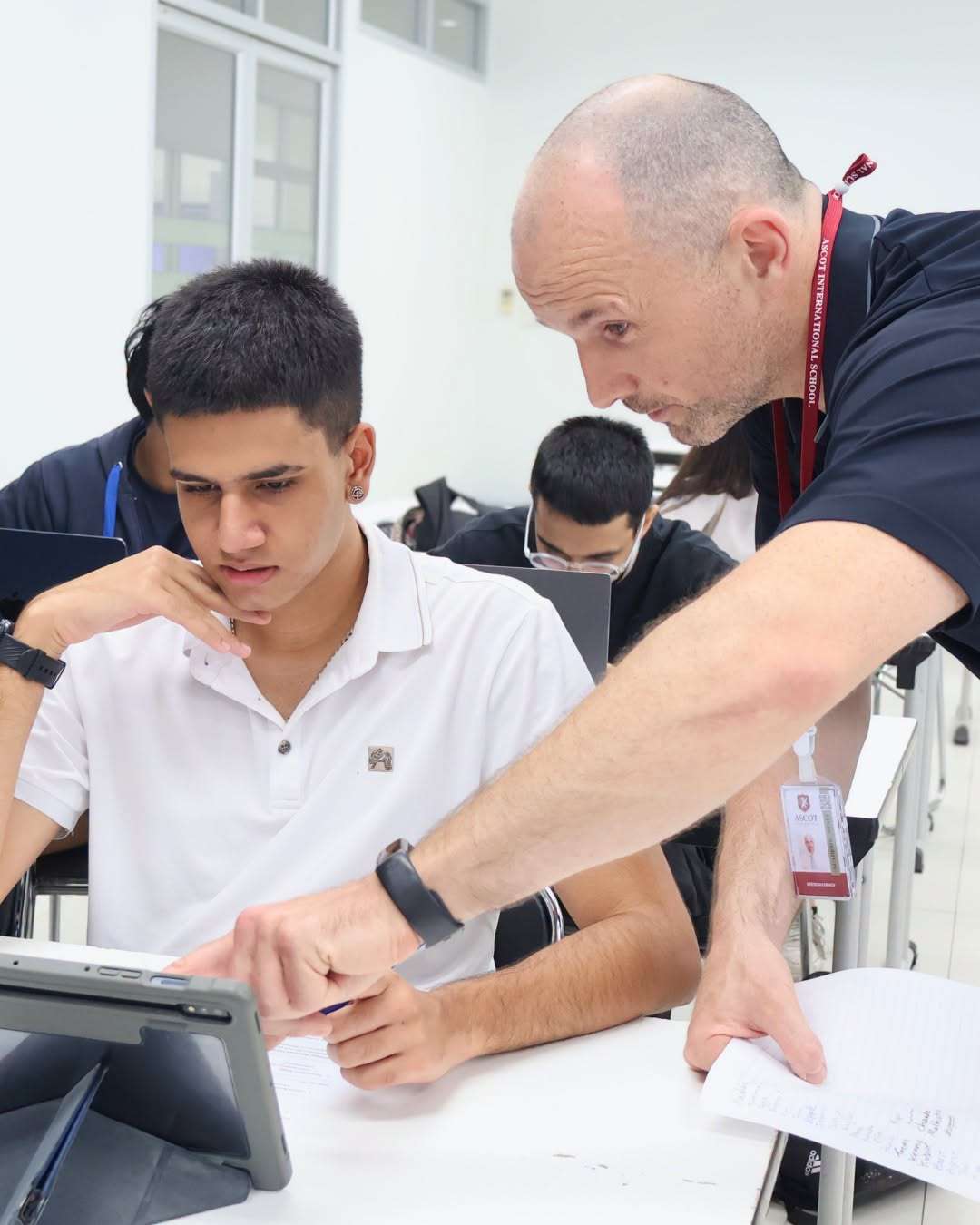
Through subject-specialist teaching, interdisciplinary learning and practical activities, students are encouraged to make connections between what they learn and how that knowledge can be applied.
Assessment also plays an important role in this process.
By using subject-specific criteria, rubrics and opportunities for reflection, teachers can support students in understanding their achievements and identifying areas for improvement.
As students progress through Years 7–11, they develop the knowledge, independence and learning skills that support their preparation for the next stage of secondary education.
Preparing for the Next Stage of Education
The MYP provides a foundation for students as they move towards Years 12 and 13.
At Ascot International School Bangkok, students can continue their education through the IB Diploma Programme (DP) or the IB Career-related Programme (CP).
The knowledge and skills developed throughout the MYP, including communication, critical thinking, research and independent learning, support students as they prepare for these pathways.
This creates opportunities for students to build on their academic interests and consider their future educational goals.
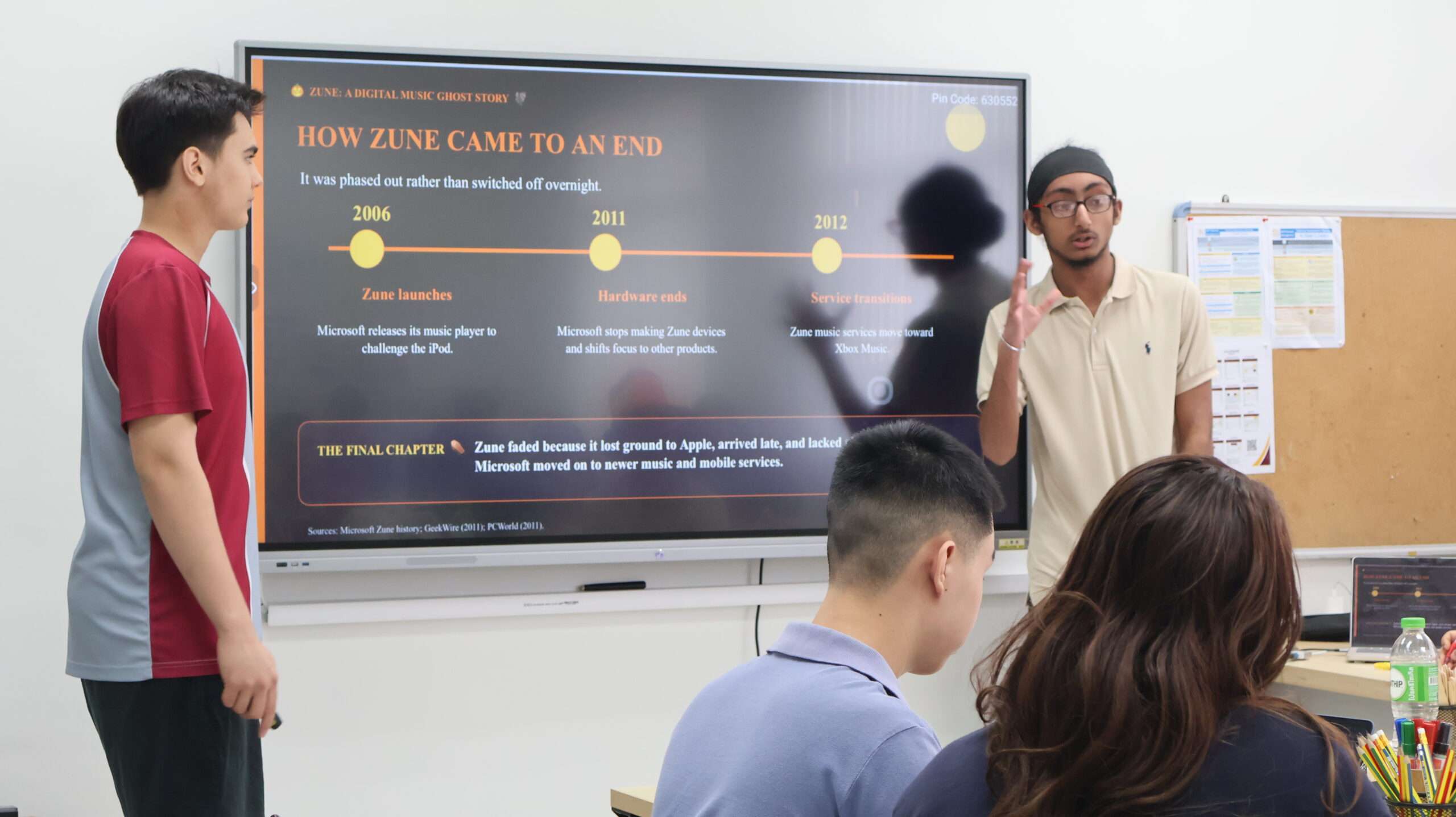
Discover Secondary Education at Ascot International School Bangkok
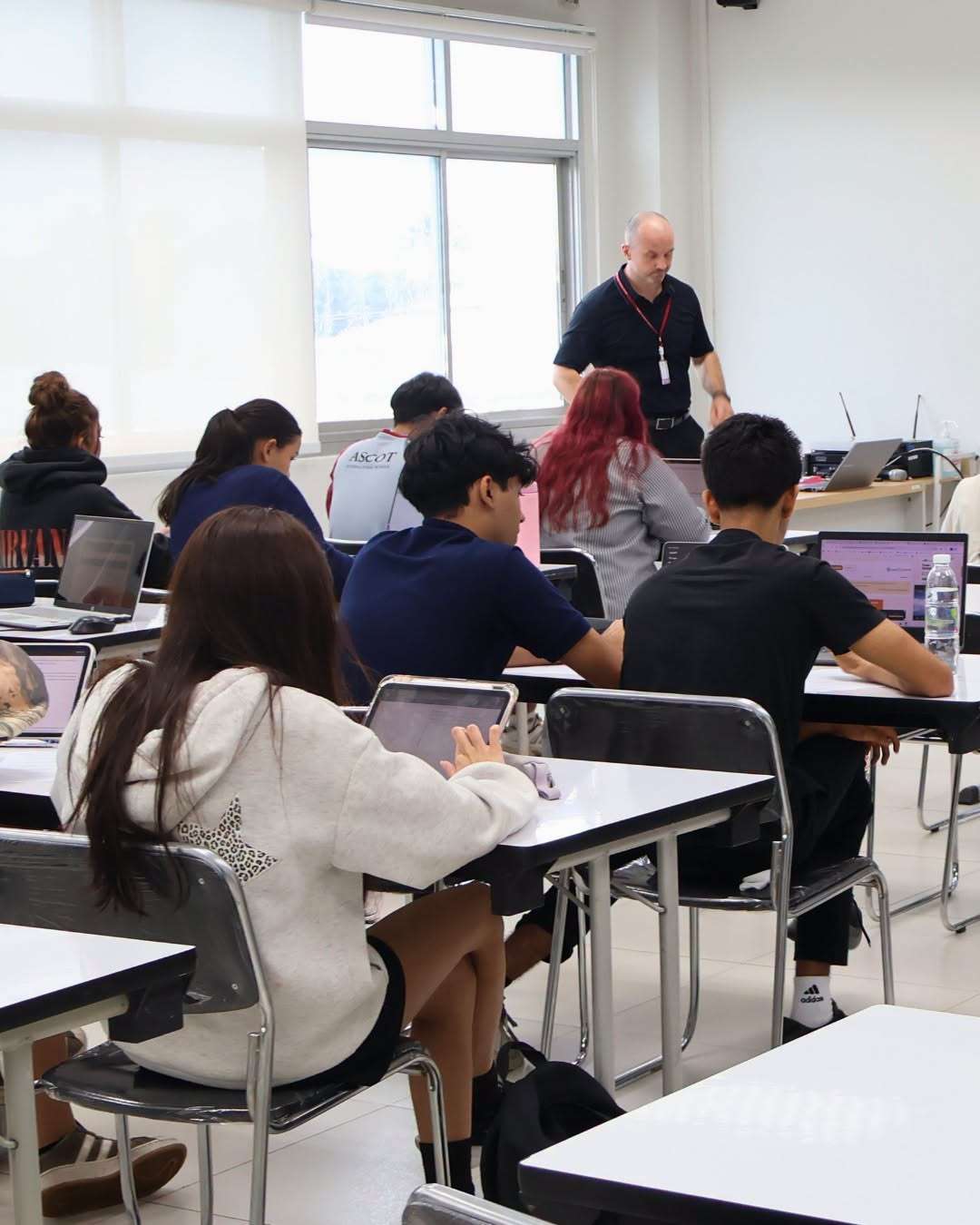
At Ascot International School Bangkok, we believe that education should support students academically, socially and personally.
Our IB Middle Years Programme offers a broad range of subjects, flexible learning opportunities in Years 10 and 11, and an assessment approach that helps students understand their progress.
Through meaningful learning experiences, students are encouraged to become confident, independent and responsible learners.
We invite families to discover secondary education at Ascot International School Bangkok.
Contact our Admissions Team to arrange a school tour, explore our campus and learn more about the IB Middle Years Programme and the learning opportunities available for students in Years 7–11.
Contact Admissions