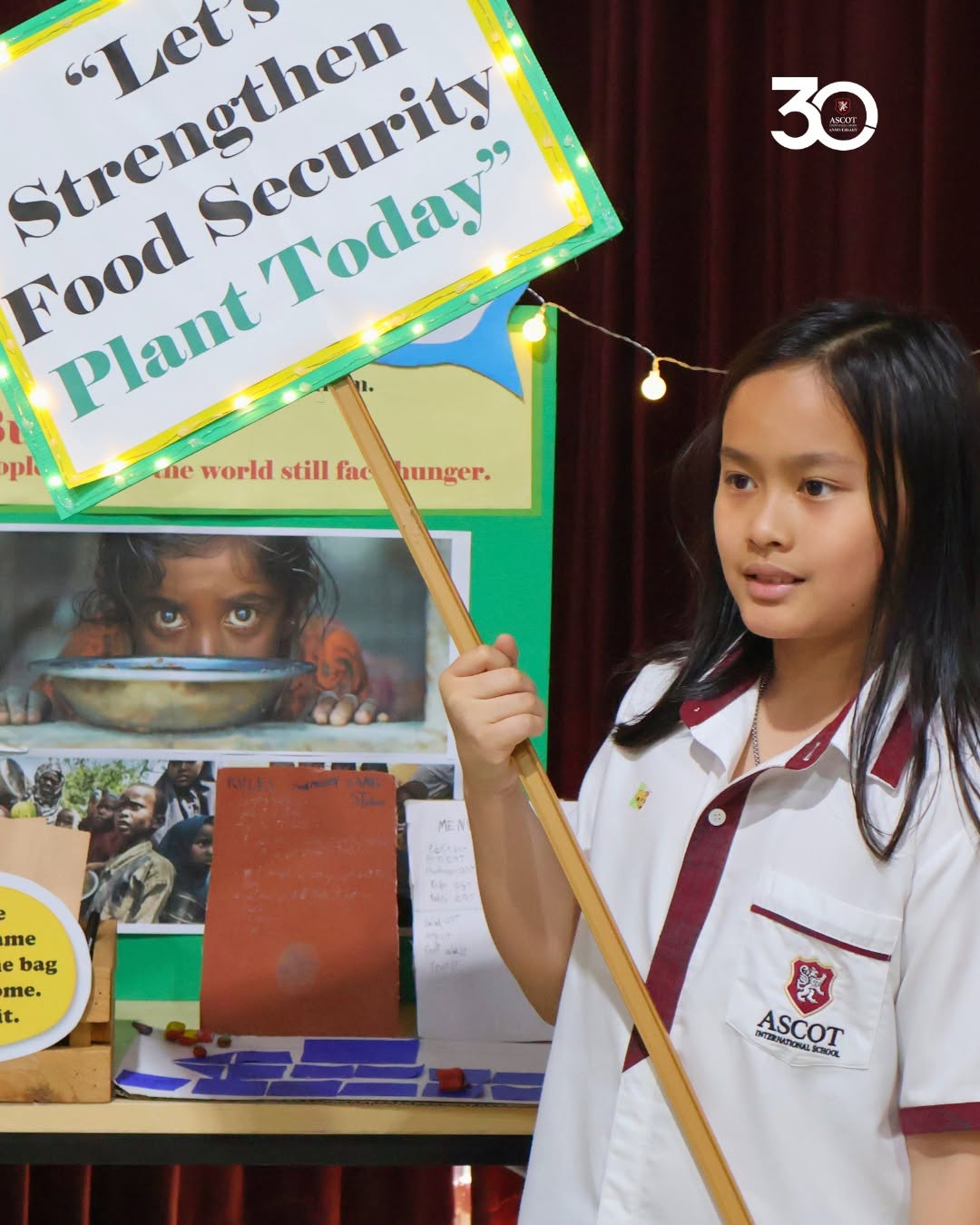
The PYP Exhibition Comes to Life: Year 6 Students Showcase Inquiry, Leadership and Global Impact
The PYP Exhibition Comes to Life: Year 6 Students Showcase Inquiry, Leadership and Global Impact At Ascot International School, learning

Choosing your child’s first school is one of the biggest decisions a family will make. The Early Years are more than just preparing children for Primary School. They are the foundation for confidence, curiosity, friendships, and a lifelong love of learning.
Many parents in Bangkok ask the same questions:
This guide will help you understand what makes a high-quality Early Years school in Bangkok and what to look for when visiting schools.
An Early Years school provides education for young children, usually between the ages of 2 and 5. During these important years, children develop the skills they need before moving into Primary School.
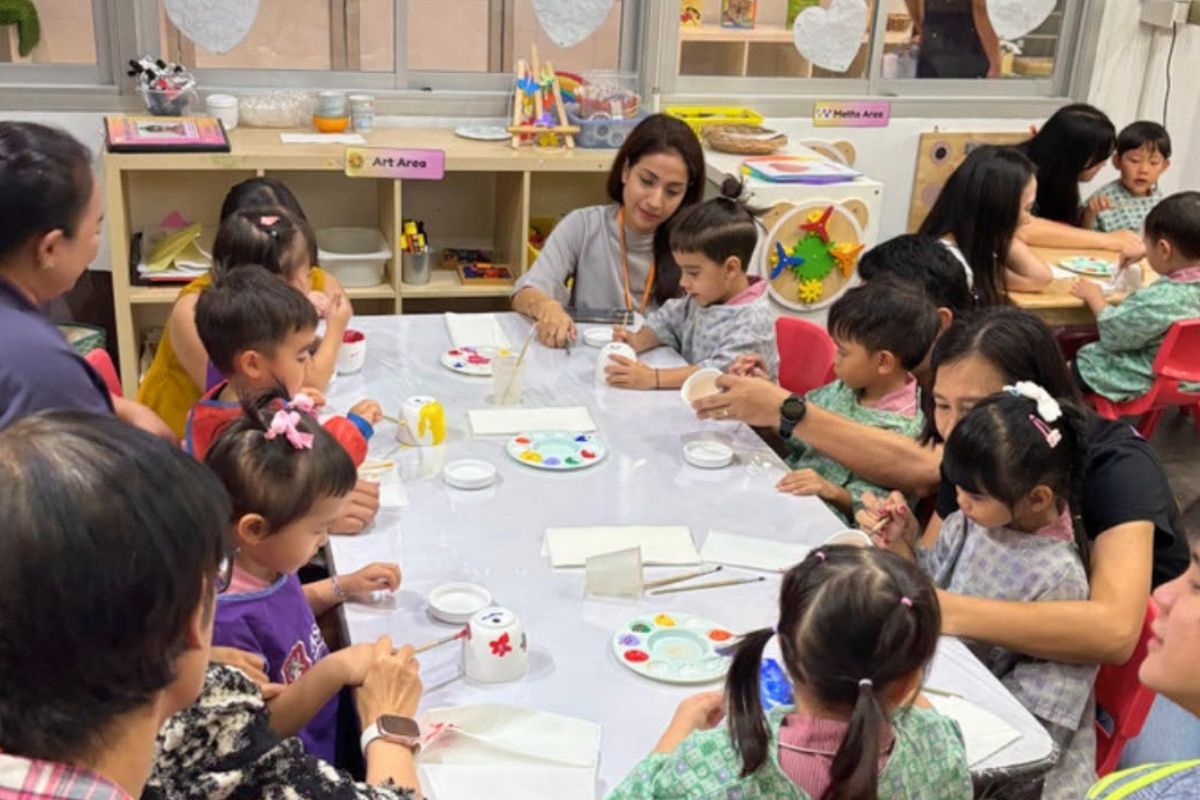
A high-quality Early Years programme focuses on the whole child. This means supporting children’s academic, social, emotional, and physical development through meaningful experiences rather than formal lessons alone.
Children learn through exploring, playing, asking questions, creating, and building relationships with others.

Research shows that the first five years of a child’s life are a period of rapid brain development. During this time, children develop essential skills that influence future learning.
These include:
Children who enjoy positive Early Years experiences often begin Primary School feeling more confident, engaged, and ready to learn.
Every school is different, but there are several features parents should look for when choosing an Early Years programme

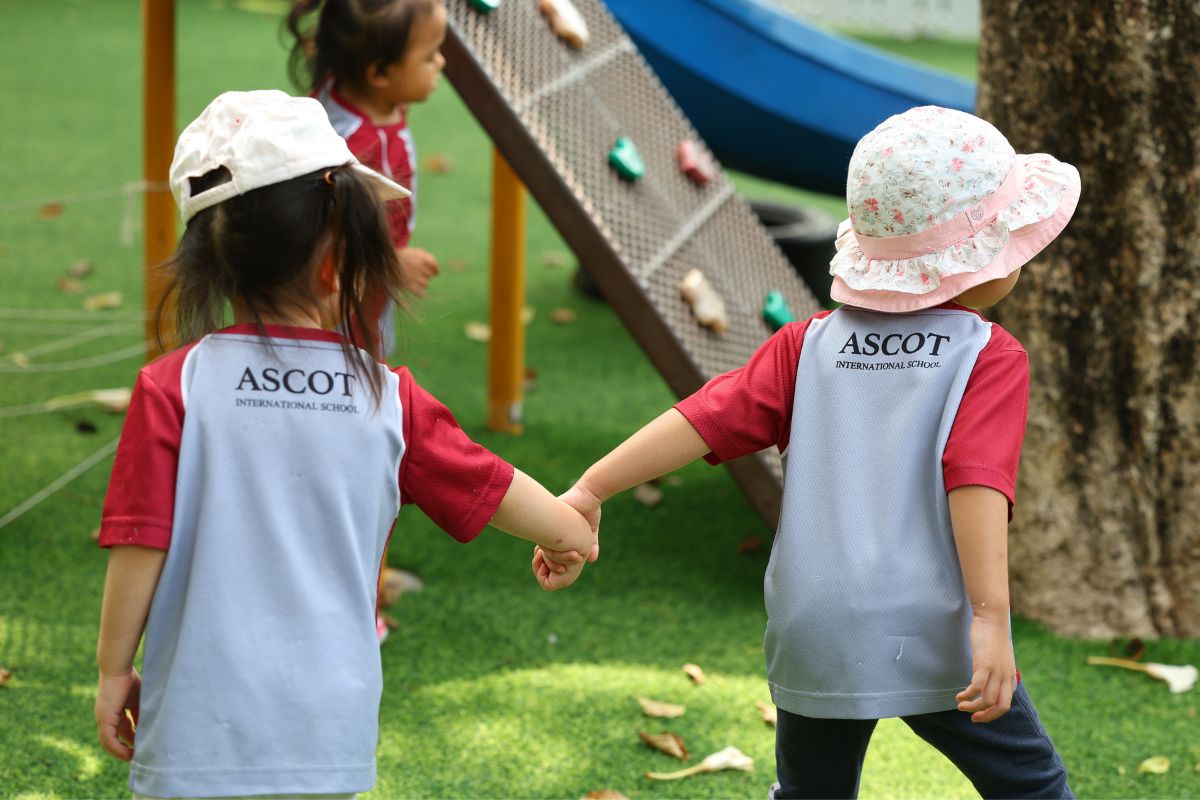
Young children learn best when they feel safe, secure, and valued.
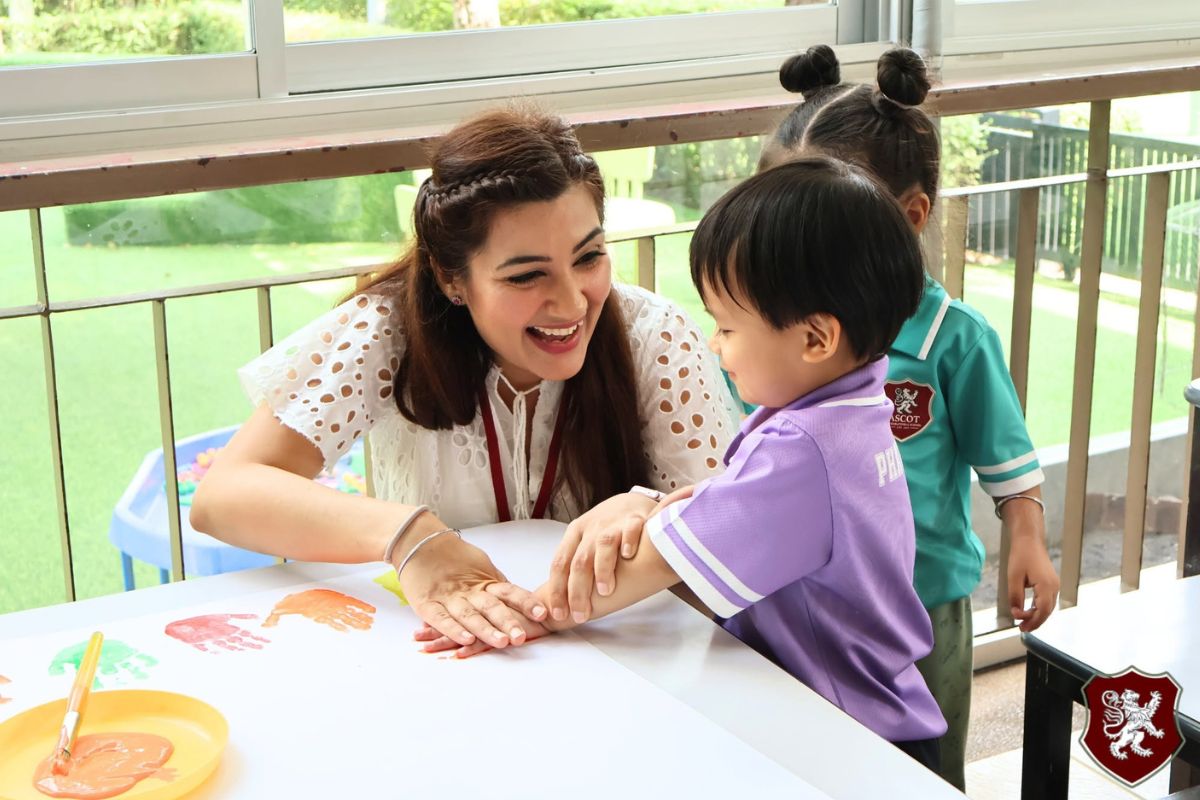
Teachers should know each child well and create a welcoming environment where children feel comfortable exploring new ideas and making mistakes.
Positive relationships help children build confidence and develop trust.

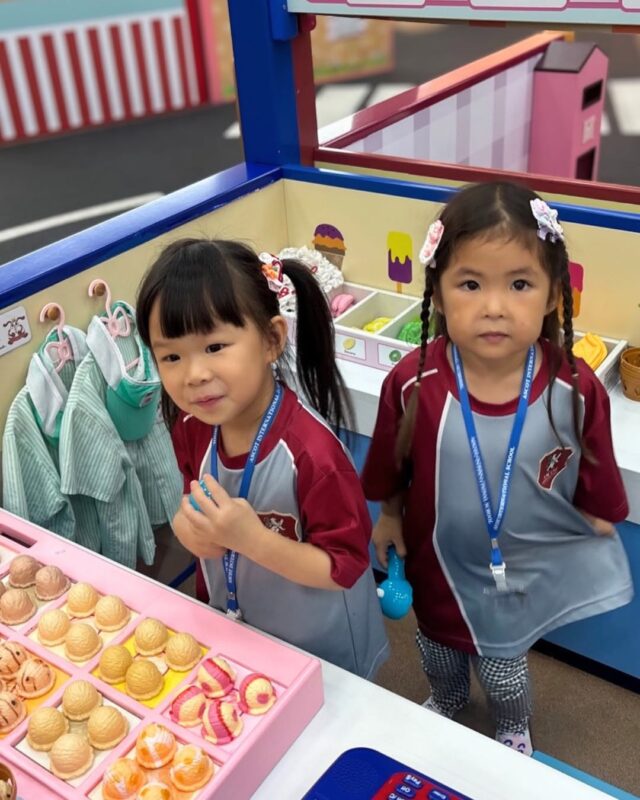
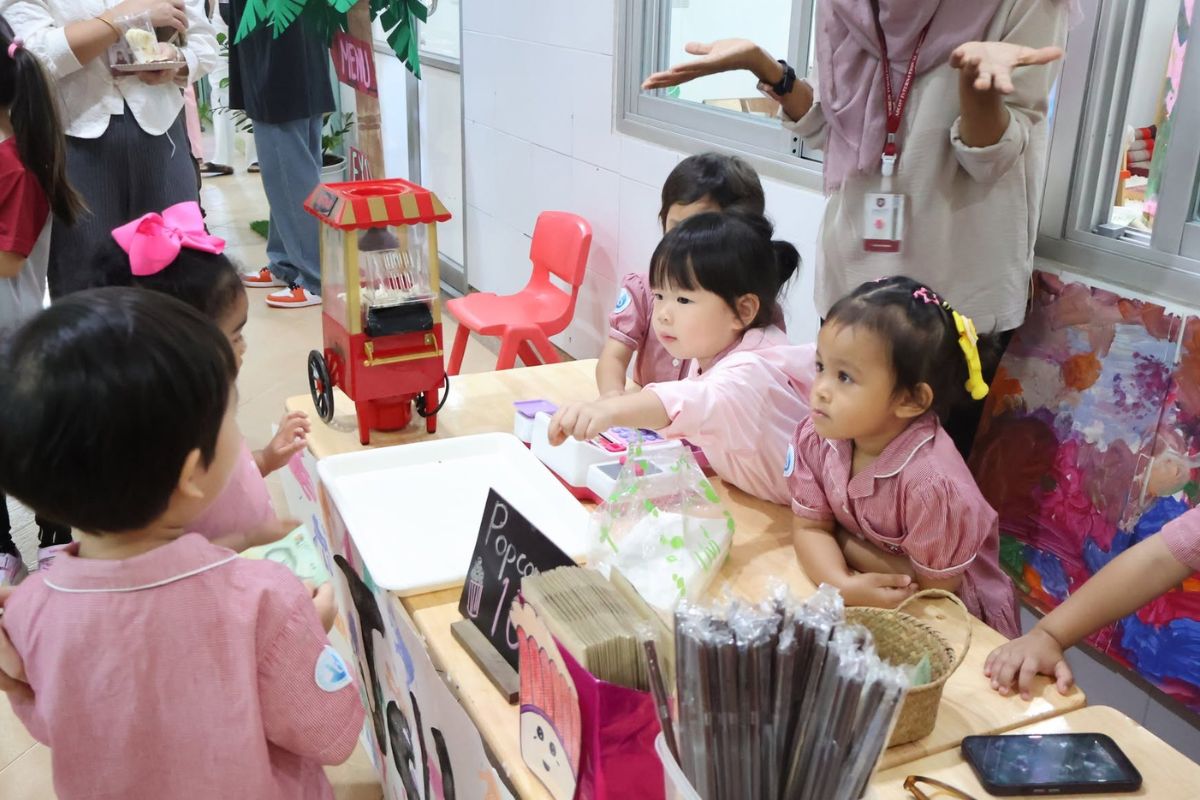
Play is one of the most powerful ways children learn.
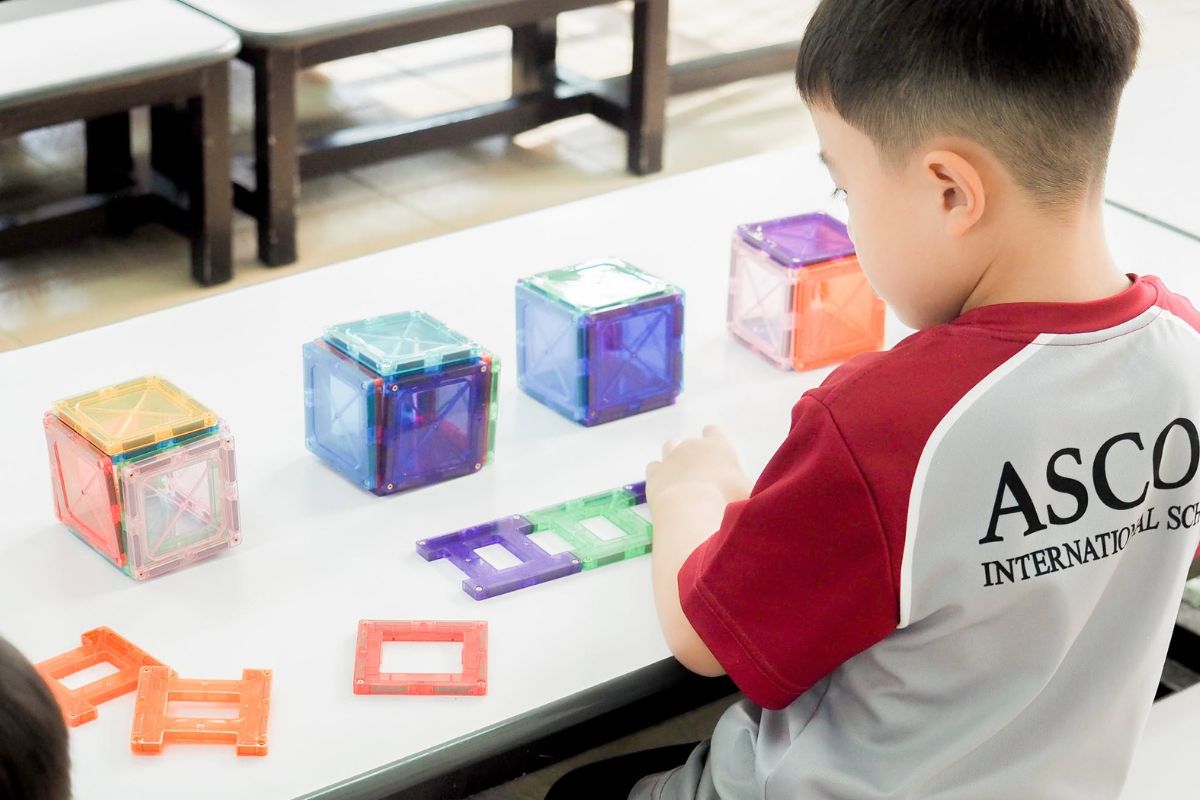
When children build with blocks, paint pictures, play outdoors, or pretend to run a shop, they are developing important skills including:
Play gives children opportunities to explore their interests while learning naturally.

Teaching young children requires specialist knowledge.
Experienced Early Years teachers understand how children develop and know how to create activities that encourage curiosity while supporting each child’s individual needs.
They carefully observe children’s progress and adapt learning experiences to help every child succeed.

Every child develops at their own pace.
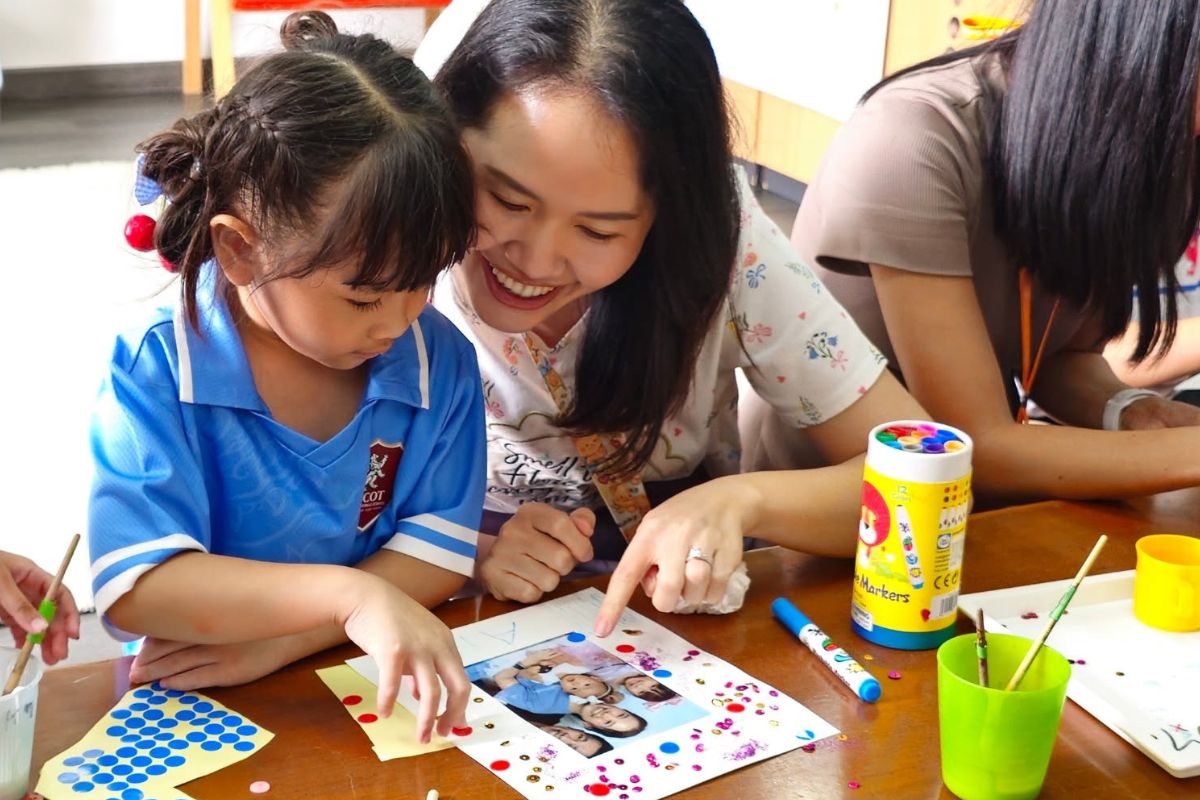
Smaller classes allow teachers to understand each child’s strengths, interests, and areas for growth.
Personalised support helps children feel confident and encourages them to take on new challenges.

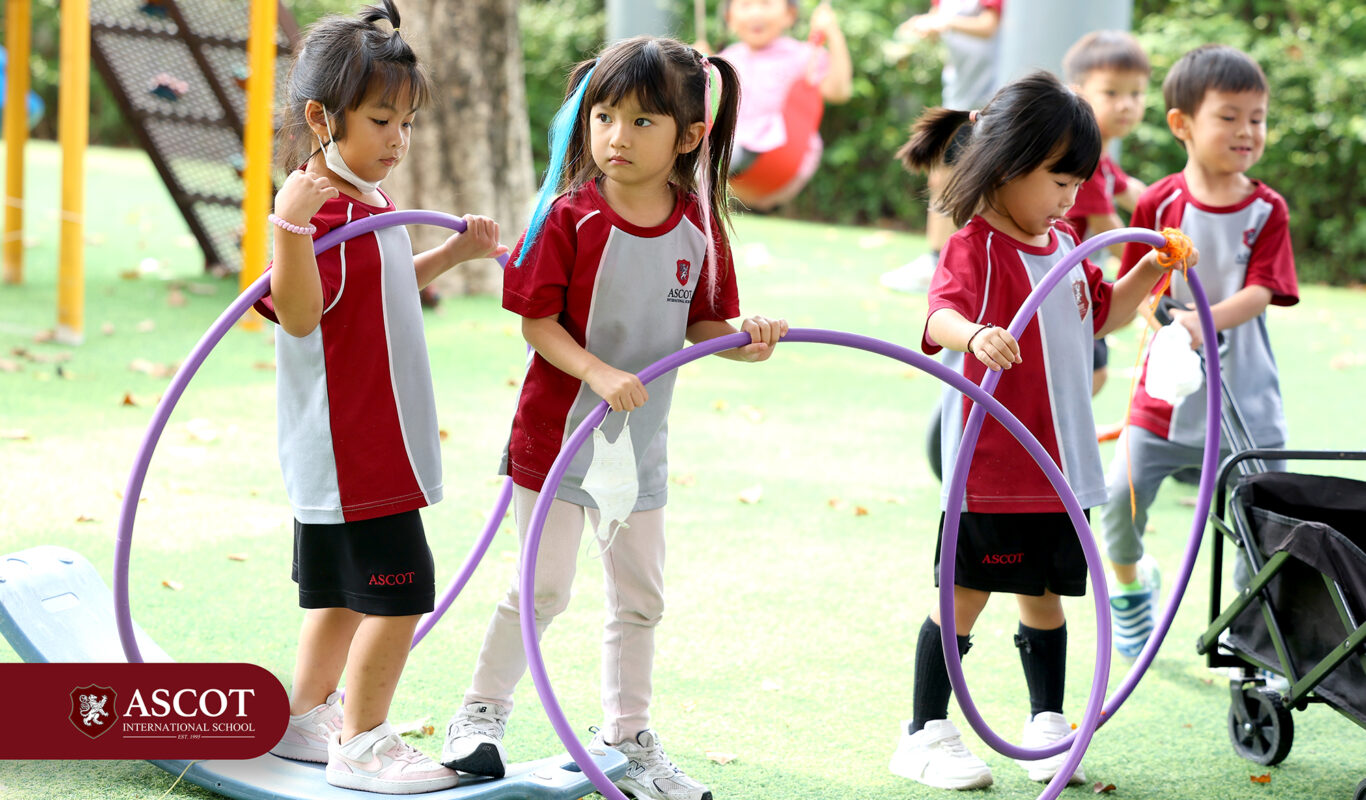
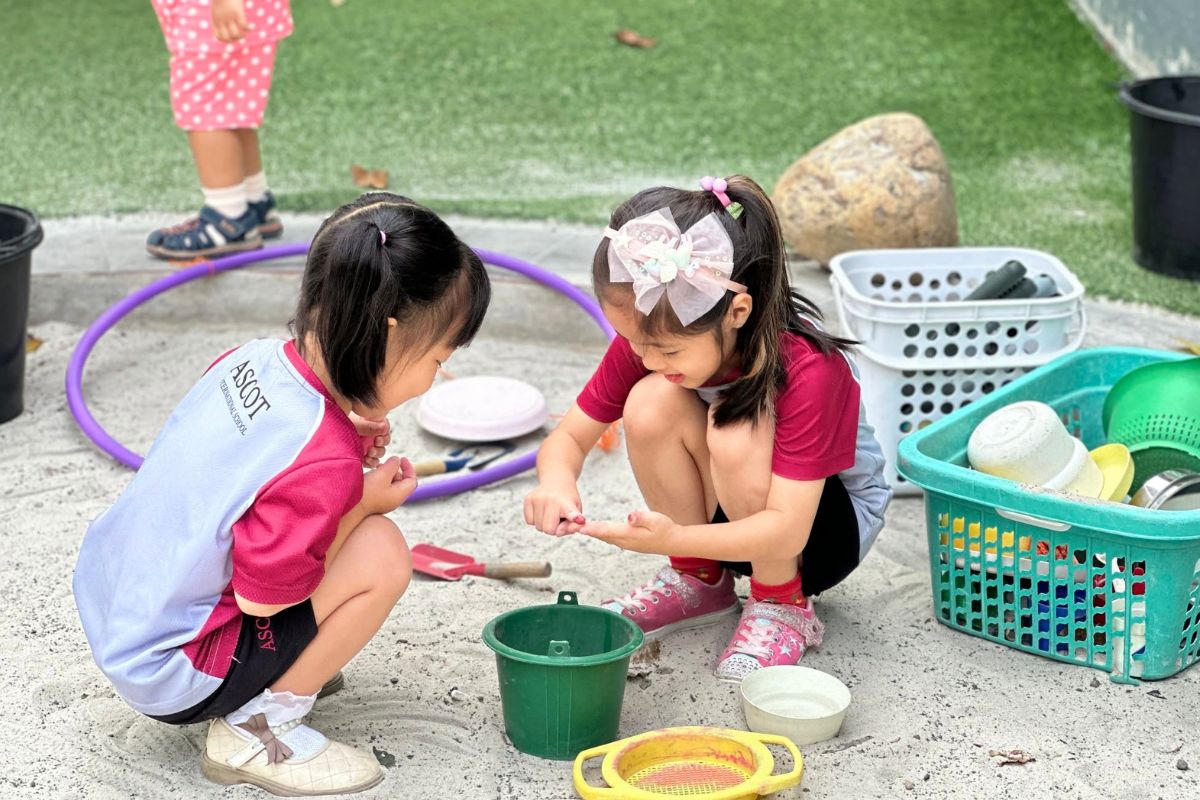
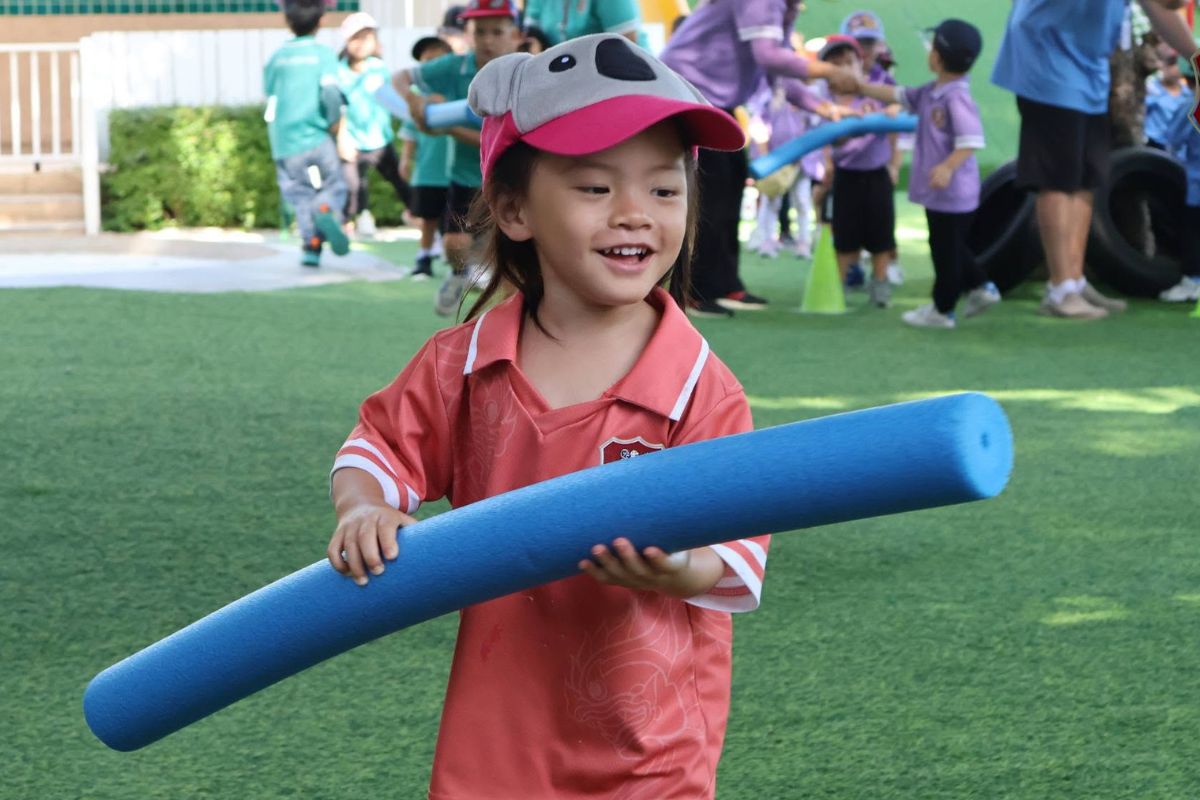
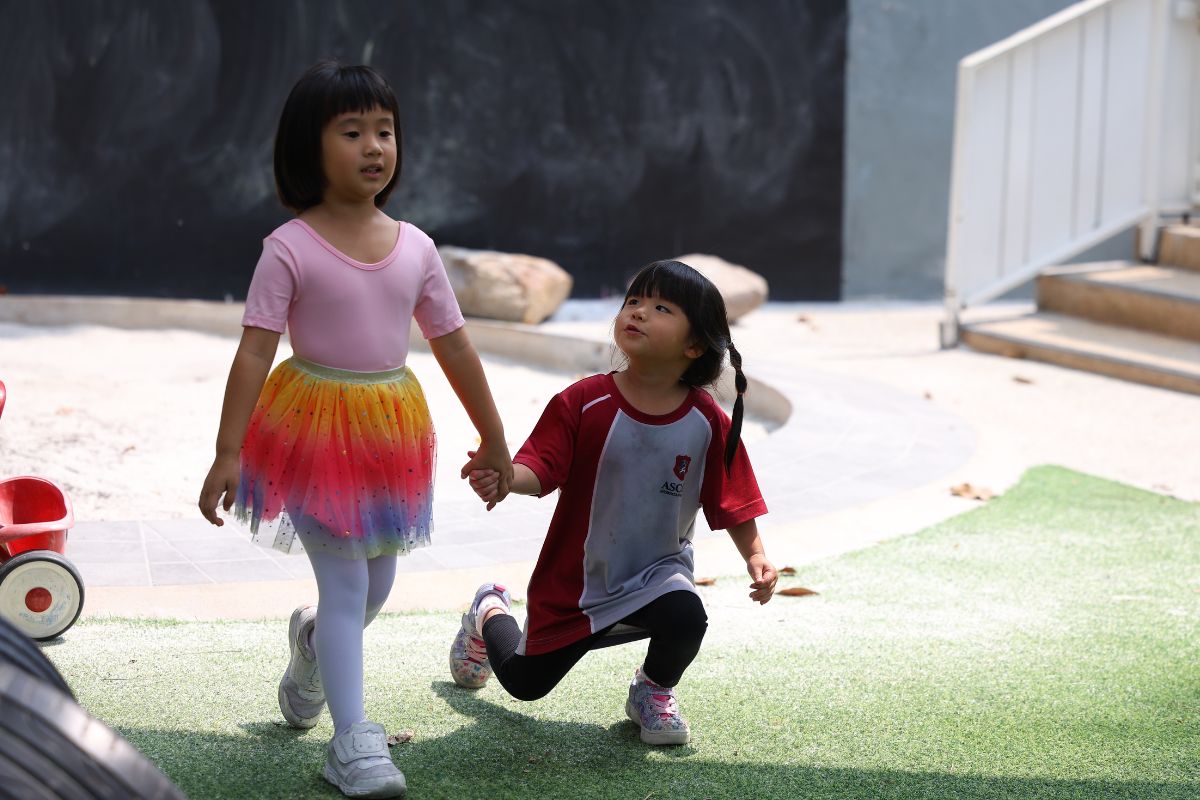
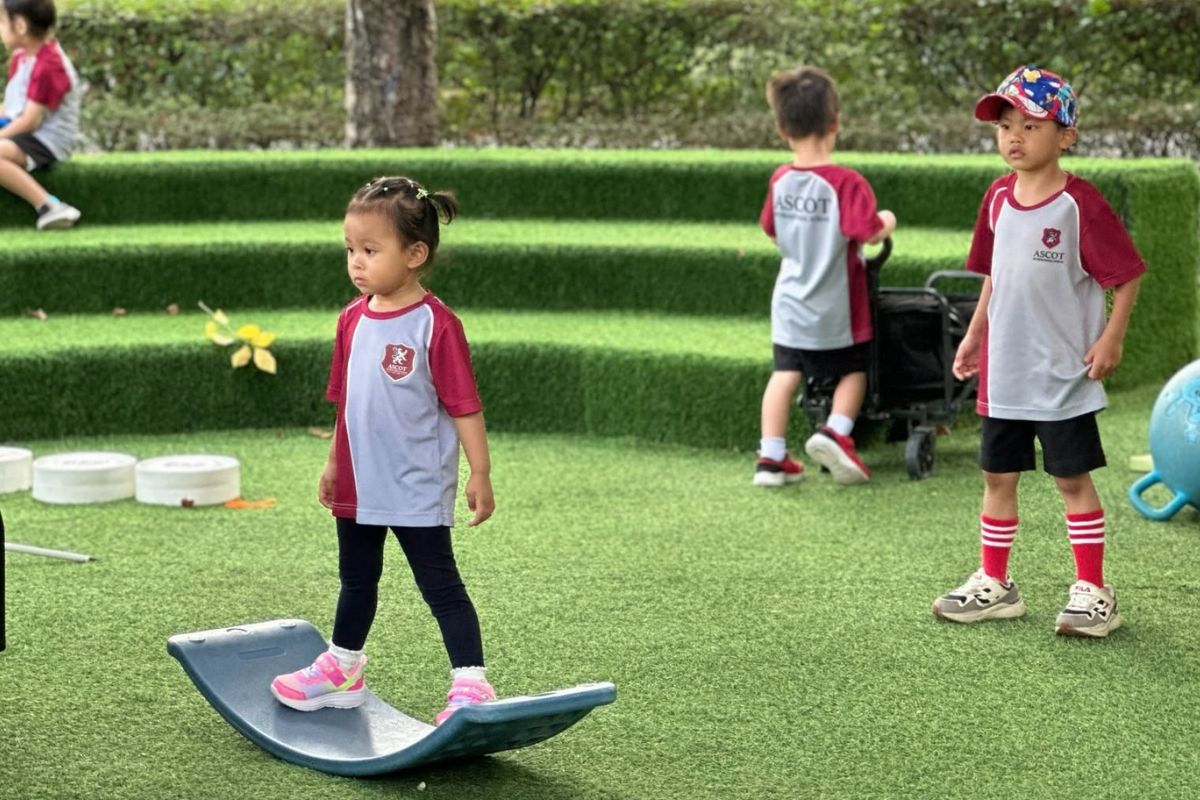
Young children benefit from spending time outdoors every day.
Outdoor learning supports:
Natural environments encourage children to explore, investigate, and discover the world around them.

Learning continues beyond the classroom.
Good Early Years schools build strong relationships with families through regular communication, parent workshops, and opportunities to celebrate children’s learning together.
When schools and families work as partners, children benefit from consistent support both at school and at home.

An Early Years curriculum focuses on developing the whole child rather than simply teaching academic subjects.
Children learn through activities that develop:

Children build confidence speaking, listening, asking questions, and sharing ideas with others.

Children begin recognising letters, listening to stories, developing vocabulary, and enjoying books.
The goal is to create confident readers who enjoy language.

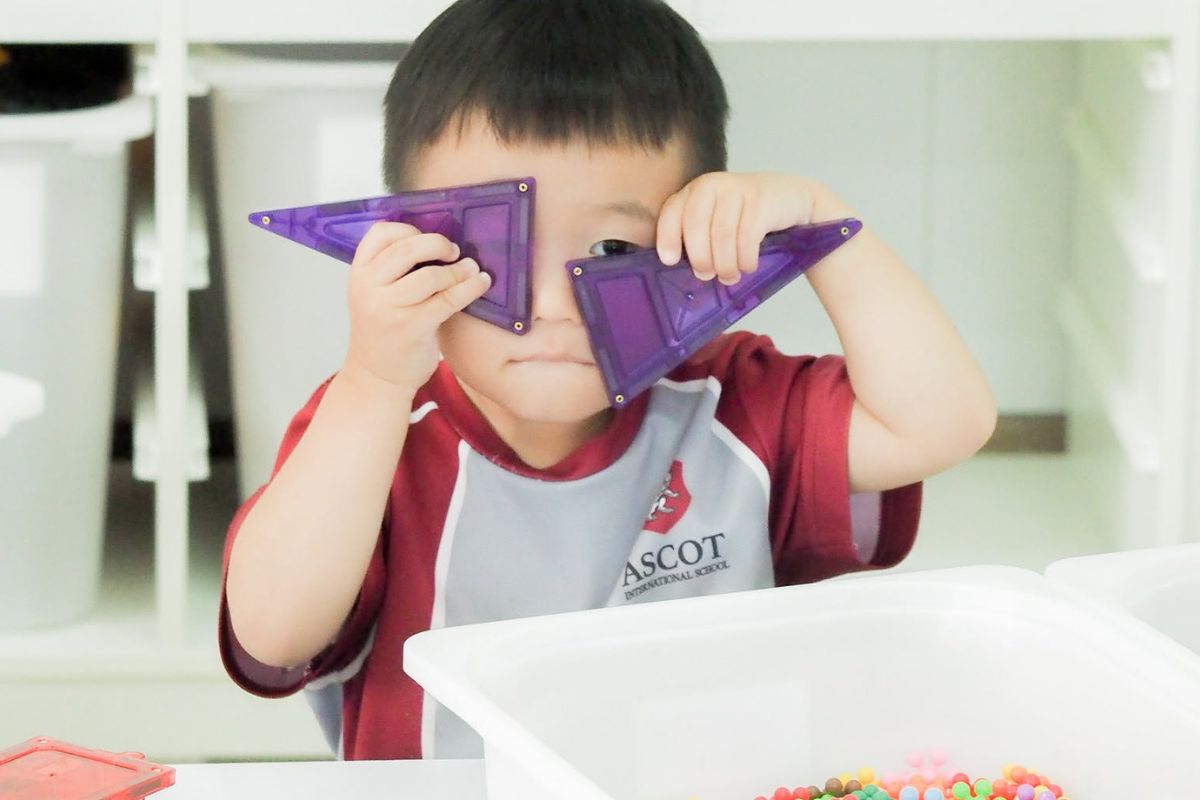
Young learners explore numbers, shapes, patterns, measuring, and problem-solving through practical experiences.
Maths becomes meaningful because children use it in everyday situations.

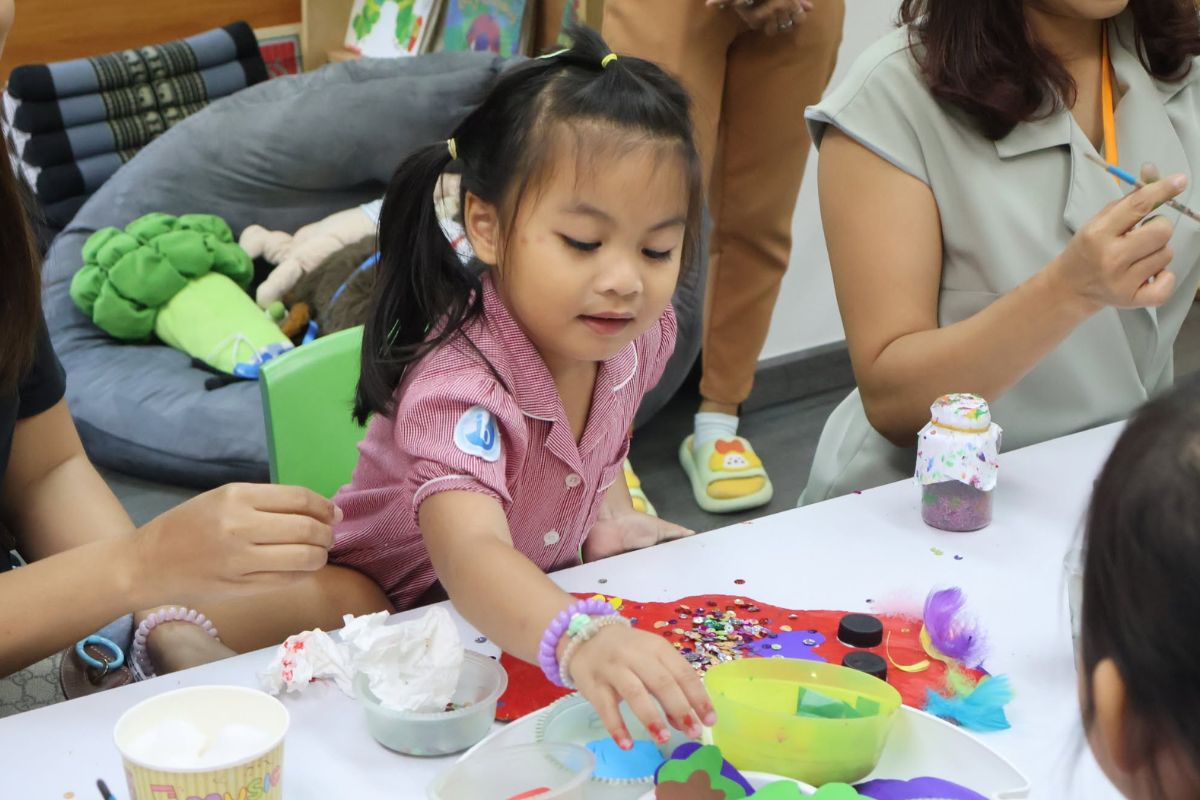
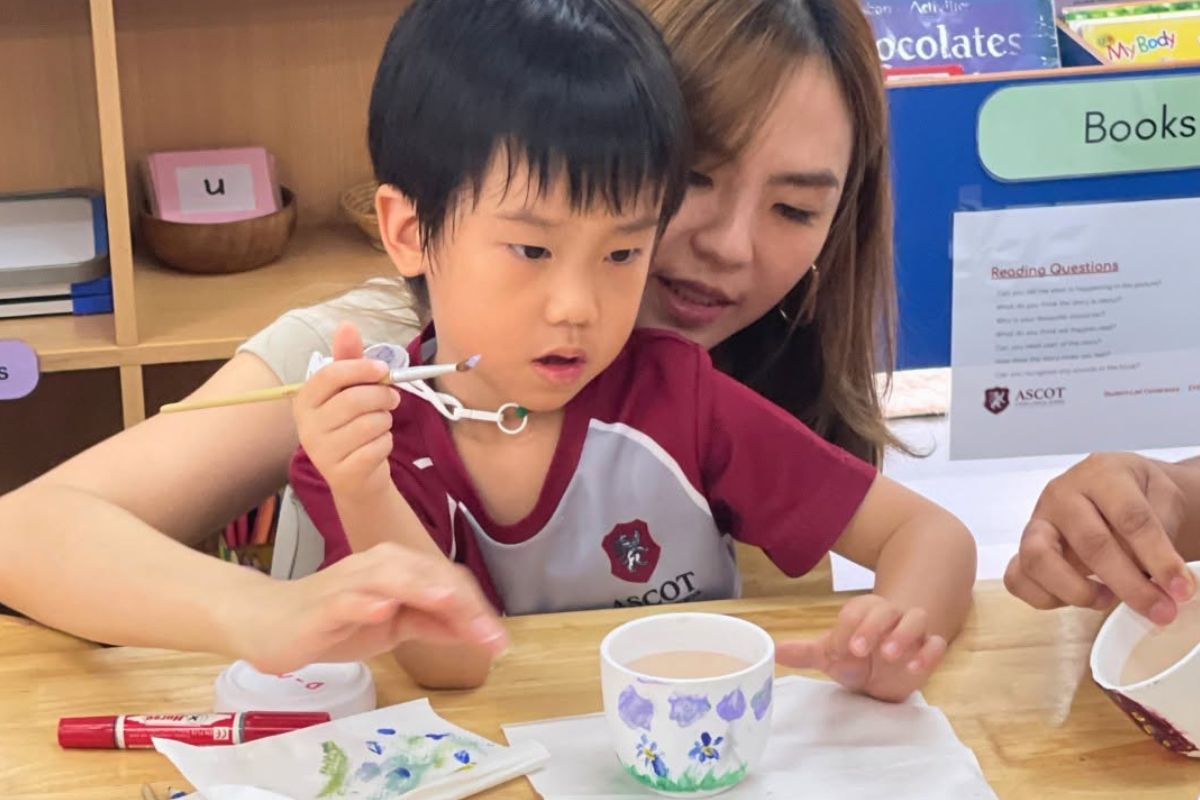
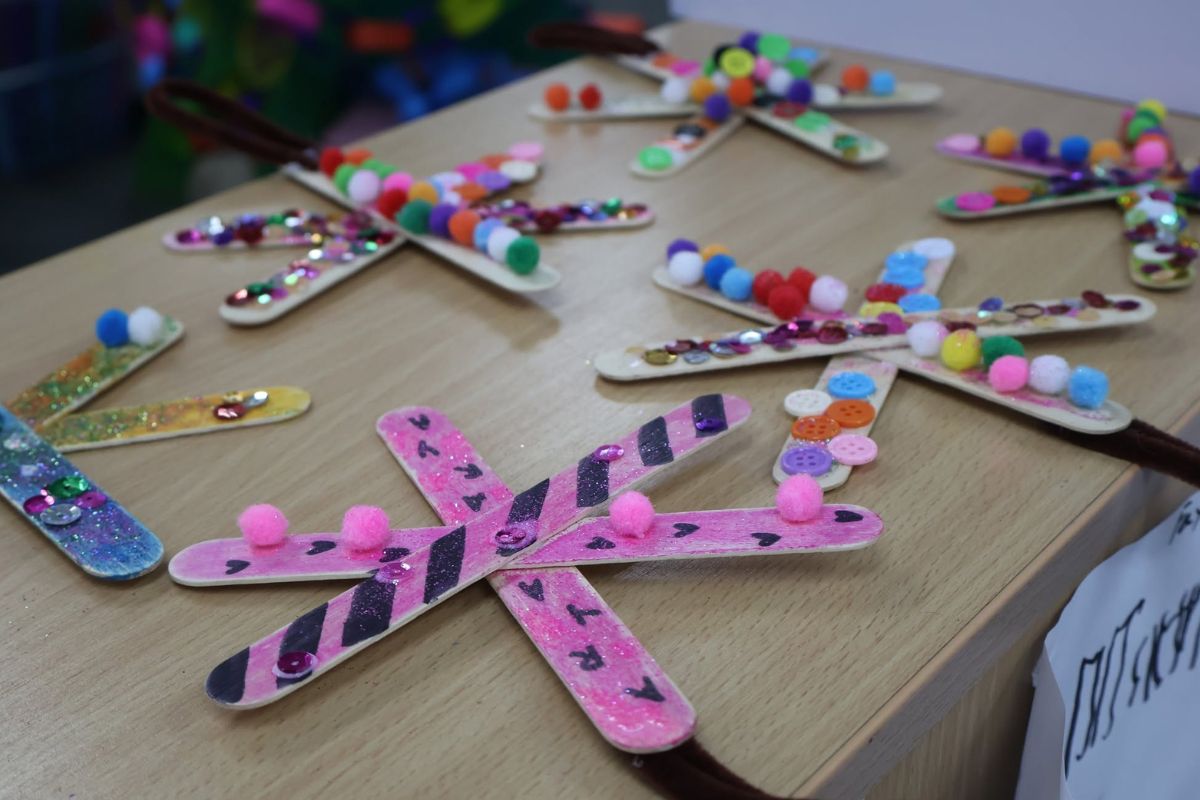
Art, music, dance, role play, and imaginative activities encourage children to express themselves and develop creative thinking.

Children strengthen both large and small muscles through climbing, running, balancing, drawing, painting, and practical activities.
These experiences support healthy growth and prepare children for future learning.

Children learn how to:
These skills are just as important as reading and mathematics.
Some parents worry that children spend “too much time playing” during the Early Years.
In reality, play is carefully planned by teachers to support learning.
For example:
Children often learn more effectively when they are actively involved in meaningful experiences.

Every child develops differently, but many children are ready when they begin to:
Remember that schools should also be ready for children. A supportive environment helps every child settle at their own pace.

The PYP Exhibition Comes to Life: Year 6 Students Showcase Inquiry, Leadership and Global Impact At Ascot International School, learning

Science Exhibition of Secondary student 2025–2026: Innovating for a Sustainable Future The Ascot MYP Science Exhibition 2025–2026 transformed our auditorium

Student Spotlight: Celebrating Outstanding Achievements at Ascot International School At Ascot International School, we are proud to celebrate the outstanding