

Choosing your child’s first school is an important decision. For many families, Early Years is the first time their child spends a large part of the day learning, playing and building relationships outside the home.
Bangkok has many international schools, so parents may wonder what they should look for. Is the curriculum the most important factor? What about teachers, language, facilities, class environment and student wellbeing?
The best international Early Years school in Bangkok is not simply the school with the biggest campus or the longest list of facilities. It should be a place where your child feels safe, happy, included and excited to learn.
Here are some important areas families can consider when choosing an Early Years school.
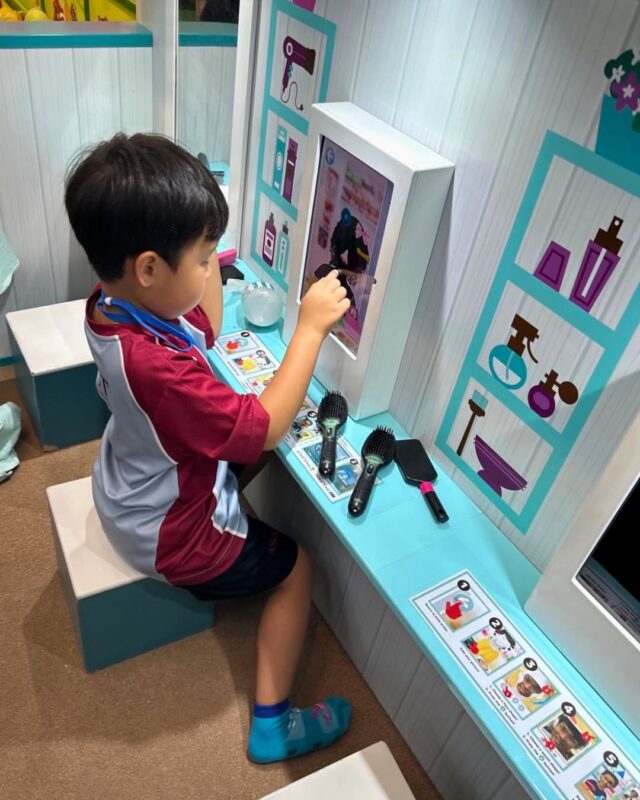
Young children learn differently from older students. Sitting at a desk for long periods and completing worksheets should not be the centre of an Early Years education.
Children naturally learn through play, exploration, movement, communication and relationships.
At Ascot International School, the Early Years philosophy focuses on creating an environment where children can explore, imagine and reflect. Learning follows a play-based, child-centred and constructivist approach, supported by social interactions and relationships. Children are also encouraged to develop critical thinking by exploring and asking questions.
This means that play is more than simply having fun. A carefully planned play experience can help children develop language, confidence, creativity, problem-solving, physical skills and social skills at the same time.
When visiting an Early Years school, parents can look beyond how beautiful the classroom is and ask:
What are the children actually doing in this space?
Are they exploring? Are they communicating? Are they making choices? Are teachers asking questions? Are children able to learn through different activities?
These can tell you a great deal about the school’s approach to Early Years education.
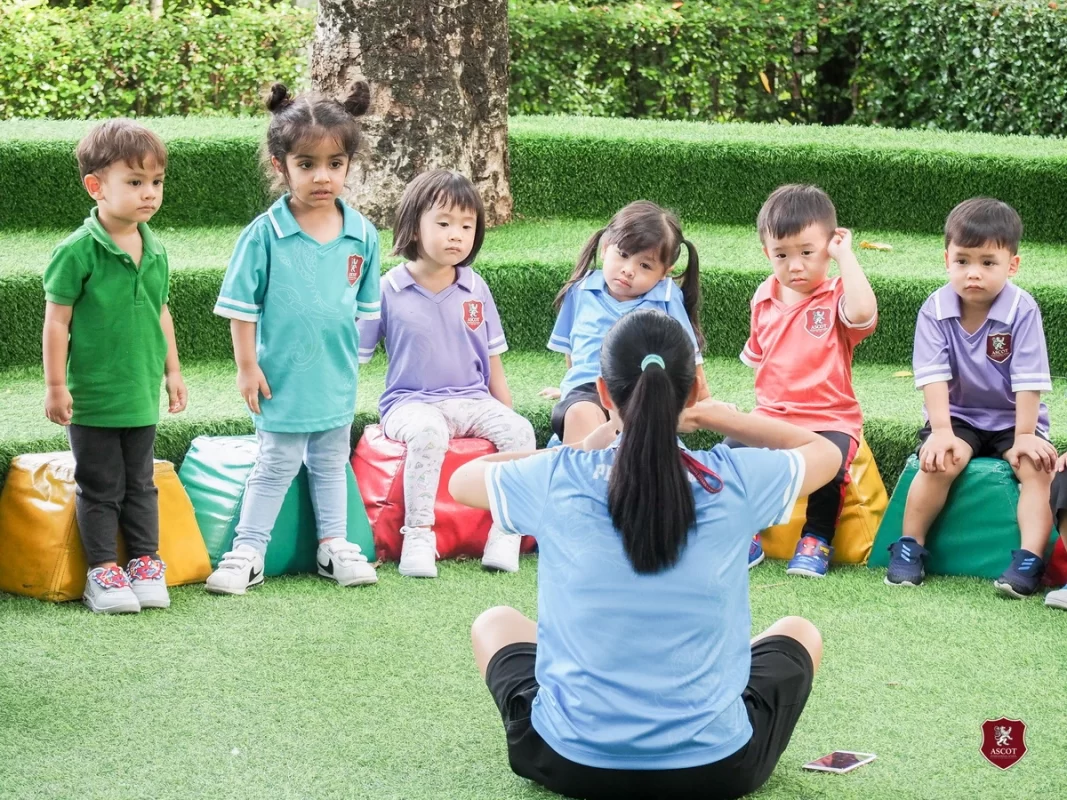
Parents searching for an IB Early Years school in Bangkok may come across several curriculum names and educational frameworks.
It is important to understand how these are actually used in the classroom.
At Ascot, the Early Years programme uses a play-based approach under the Early Years Foundation Stage (EYFS) Development Matters documentation together with the IB Primary Years Programme (PYP) framework.
The approach puts children at the centre of learning. Students are encouraged to explore, question, create and reflect rather than only being given information to remember.
This also connects with Ascot’s wider approach to high-quality teaching. Learning is designed to be inquiry-based, creative and collaborative, while helping students develop skills, knowledge and concepts.
For young children, this creates opportunities to begin developing curiosity and independence from an early age.
Academic learning matters, but children need to feel comfortable before they can fully engage with learning.
A good Early Years environment should help children feel safe, secure and accepted. They should gradually develop relationships with their teachers and classmates and feel that school is a place where they belong.
This is especially important for children starting school for the first time.
At Ascot, belonging is a central part of the school’s Strategic Focus. The school describes belonging as creating a space where stakeholders feel safe and secure, alongside a collective learning community and family-friendly environment.
Ascot’s wider vision is reflected in a simple message:
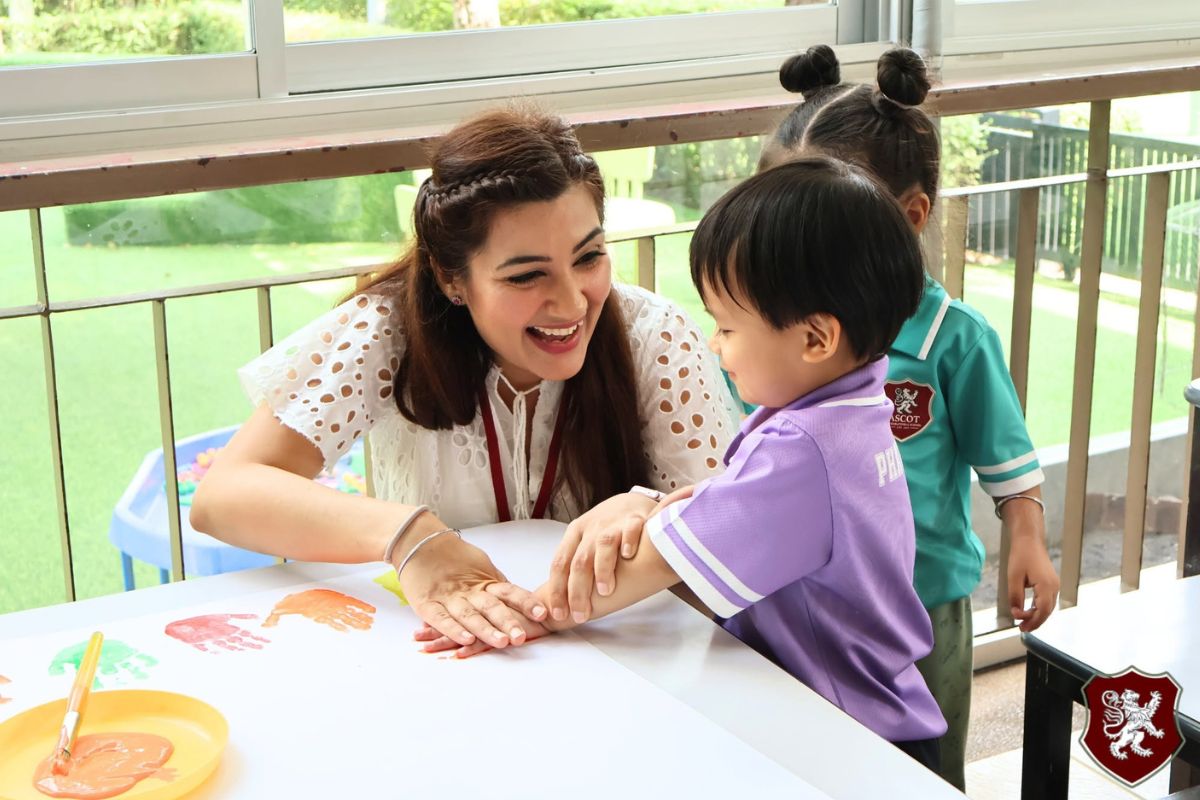
For Early Years children, belonging can begin with very small moments: being welcomed in the morning, having a teacher listen to them, finding a friend to play with, sharing an idea or becoming confident enough to try something new.
These everyday experiences can make a big difference to how a child feels about school.
When choosing an Early Years school, it can be tempting to focus mainly on reading, writing and mathematics.
These areas are important, but Early Years education should support much more.
Children are also developing communication, independence, movement, emotional awareness, friendships, creativity and confidence.
Ascot’s approach to education considers students’ academic, social, emotional and physical needs. Its Strategic Focus describes holistic education as part of creating a learning community where wellbeing, belonging, learning and personal development work together.
This is particularly important during Early Years because development does not happen at exactly the same speed for every child.
Parents can therefore ask a school how teachers respond when one child is confident with language but needs more support socially, or when another child is highly independent physically but needs more time with communication.
The answer can help parents understand whether the school truly sees each child as an individual.
Every classroom includes children with different strengths, personalities and needs.
A strong Early Years programme should have ways to make learning accessible while allowing children to participate as part of their classroom community.
At Ascot, inclusive strategies can include visual timetables, picture schedules, flexible seating, movement breaks, additional transition time, simplified language or home-language support, peer support and adjustments to how children demonstrate their learning.
The school’s Learning Support philosophy also focuses on removing barriers to learning and providing responsive support according to individual needs.
This can be an important question during a school visit:
“What happens if my child needs more support?”
The school should be able to explain its approach clearly.
Bangkok is an international city, and many children grow up using more than one language.
For some parents, entering an English-speaking school can create understandable questions about how their child will communicate and participate.
At Ascot, multilingualism is viewed as a strength. In Early Years, English language development is supported through a consultation model, with language development embedded within play, routines and early literacy.
This is an important distinction.
Young children can develop language through meaningful daily experiences: talking during play, listening to stories, following routines, singing songs, interacting with classmates and communicating with adults.
When comparing international schools, multilingual families can ask how teachers support children who are still developing confidence in English and whether the child’s home language and cultural background are respected.
The relationship between home and school is particularly important during Early Years.
Parents know their children in ways that teachers cannot immediately know, while teachers see children learning and interacting in a different environment. When both sides communicate well, they can understand the child more fully.
Ascot’s approach recognises families as partners in children’s development. Its support frameworks emphasise open communication, family involvement and respect for cultural and linguistic diversity.
The school’s Strategic Focus also identifies family and community engagement and parent involvement as important parts of the educational experience.
During your visit, notice how the school communicates with parents. Do families have opportunities to ask questions? Does the school explain learning clearly? Does the relationship feel welcoming?
For Early Years families, these details matter.
A website can tell you about a school’s curriculum, facilities and philosophy. A school visit can tell you something different.
When you visit, observe the environment from your child’s point of view.
Look at the classrooms and learning spaces, but also look at what is happening inside them.
Are children actively involved?
Do they seem comfortable approaching adults?
Are there opportunities for movement, exploration and play?
Do teachers interact with children warmly?
Does the environment feel calm, welcoming and purposeful?
Parents should also feel comfortable asking questions. Choosing a school is an important family decision, and a school visit is an opportunity to understand whether the environment feels right for your child.
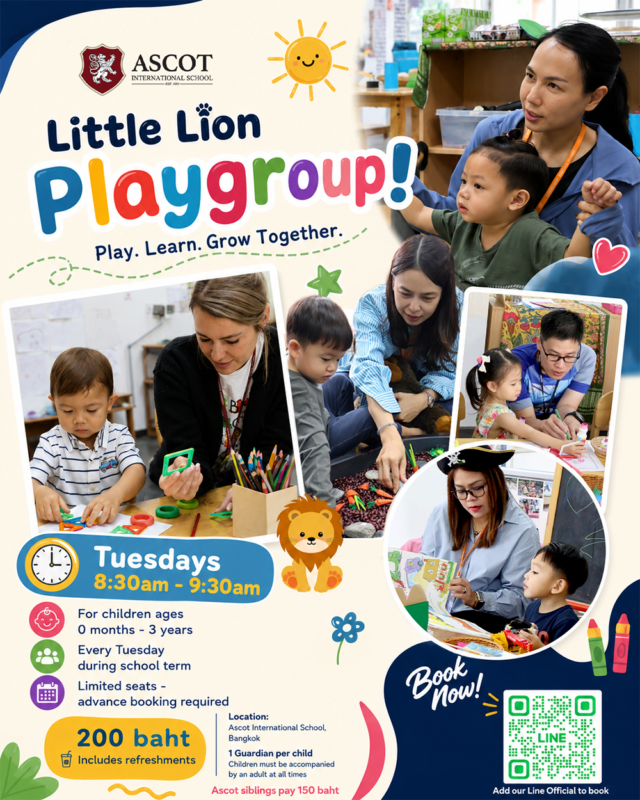
For families with younger children, you do not always have to wait until formal Early Years enrolment to introduce your child to a school environment. A playgroup can be a gentle first step. Ascot’s Little Lion International Playgroup is designed for young children aged 0–3 years and their families. Through age-appropriate activities, children can begin experiencing play, interaction, movement and a school environment together with their parent or caregiver.
For parents, playgroup also offers something valuable: the opportunity to experience the school community before making a future school decision. You can observe how your child responds to the environment, meet other families and gradually help your child become familiar with being on a school campus. This can make the transition into Early Years feel more natural when the time comes.
Your child may be starting Early Years now, but it is also useful to understand what comes next.
Ask how children transition from Early Years into Primary School. Look at whether the learning philosophy develops naturally as children become older.
Ascot’s educational approach continues to place importance on inquiry, student participation, meaningful learning and the development of lifelong learners. The school’s Strategic Focus also highlights academic excellence, critical thinking, creativity, inquiry-based learning and student engagement.
Choosing a school where your child can grow over several years can provide continuity in relationships, learning and community.
Before making your decision, consider asking:
There is no single question that will tell you whether a school is right for your family. Look at the whole experience.
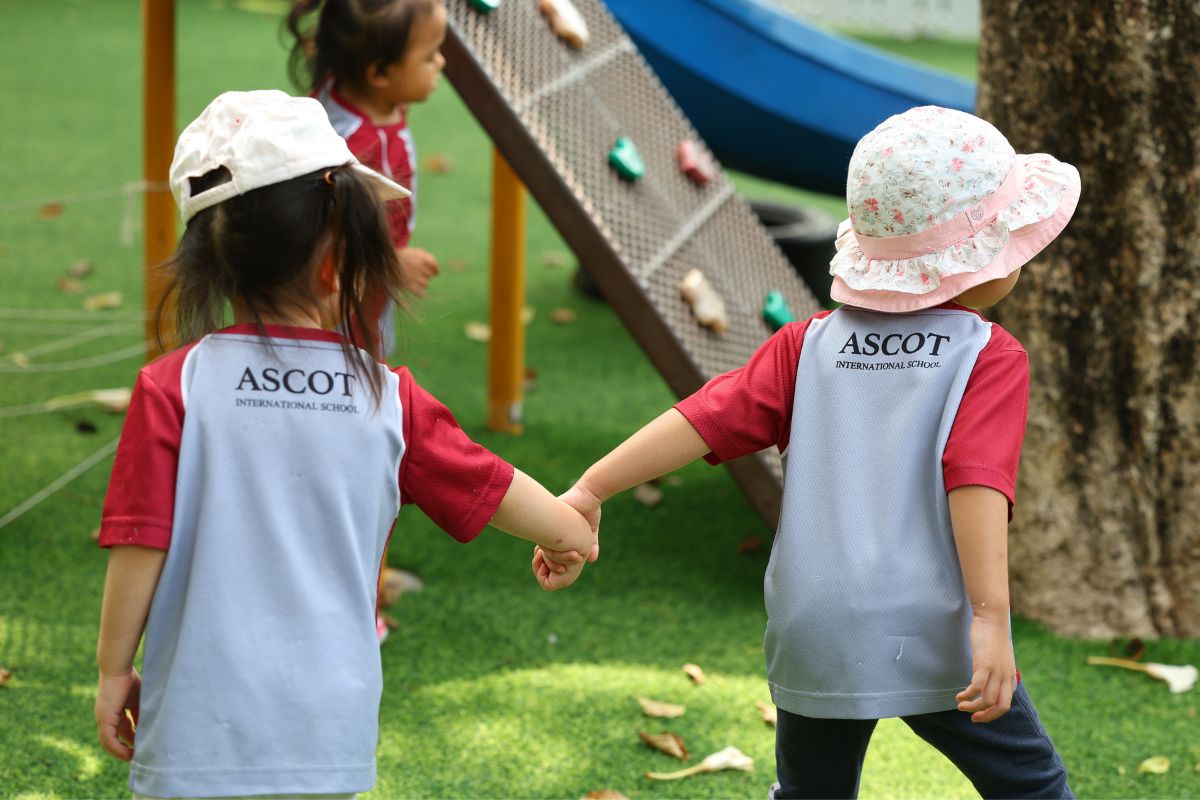
Choosing the best international Early Years school in Bangkok is ultimately about finding a place where your child can feel safe enough to explore, supported enough to grow and confident enough to become increasingly independent.
At Ascot International School, Early Years combines play-based learning, child-centred exploration, inquiry and relationships within a welcoming international community. The approach connects with the school’s wider commitment to belonging, wellbeing, learning and community. For families with younger children, the Little Lion International Playgroup can also be a first opportunity to experience the Ascot community before the Early Years journey begins.
Every child develops differently. The right school should recognise this and provide the space, relationships and learning opportunities that help each child take their next step with confidence.