Learning Beyond the Classroom: Real-World Learning at Ascot International School
Learning does not only happen at a desk.
At Ascot International School, we believe some of the most meaningful learning happens when students have opportunities to explore, investigate, create, collaborate and connect what they learn with the world around them.
Through experiential learning, real-world learning and project-based learning, students can see why their learning matters and how knowledge and skills can be applied beyond the classroom.
What Is Experiential Learning?
Experiential learning means learning through experience.
Instead of only reading about a concept or listening to an explanation, students have opportunities to explore ideas through practical activities, projects, investigations and authentic experiences.
For example, learning about the environment can become more meaningful when students observe nature, collect information and consider environmental challenges. Learning about business can develop into creating ideas, solving problems or exploring how organisations operate.
The experience becomes part of the learning process.
Students are encouraged to ask questions, investigate, make connections and reflect on what they have discovered.
Connecting Learning With the Real World
One important part of learning at Ascot is helping students understand the connection between school and the wider world.
Our approach to high-quality teaching encourages students to connect their learning with authentic contexts and current challenges.
Real-world learning can take many forms. It may happen through an excursion, a practical investigation, a collaborative project, community engagement, a creative challenge or an experience with an external organisation.
What matters is the connection.
Students begin to understand that mathematics, science, languages, humanities, arts and other subjects are not simply things they study for an assessment. They are ways of understanding, communicating with and contributing to the world around them.
Excursions That Have a Purpose
School excursions can be exciting, but their value goes beyond simply leaving the campus.
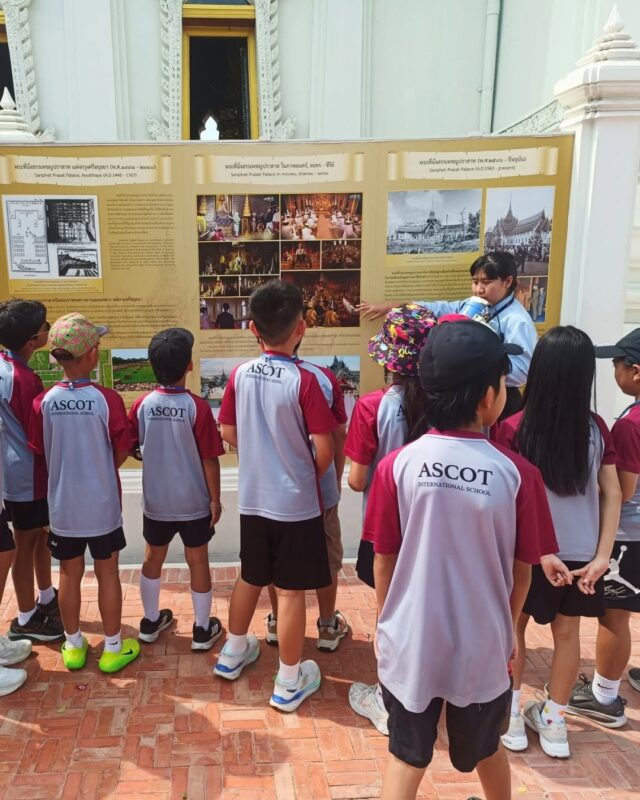
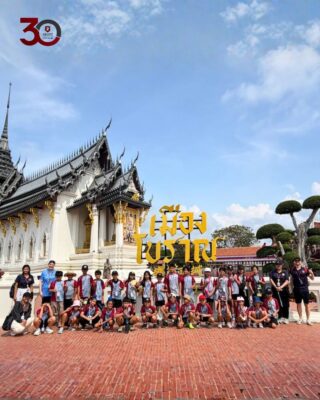
An excursion can extend an area of learning by giving students an opportunity to observe something directly, ask questions and experience a different environment.
Museums, cultural locations, natural environments, universities, businesses and community organisations can all become places for learning.
Before, during and after an excursion, students can investigate questions, collect information, discuss their observations and reflect on how the experience connects with their classroom learning.
This turns a school trip into a meaningful learning experience.
Project-Based Learning
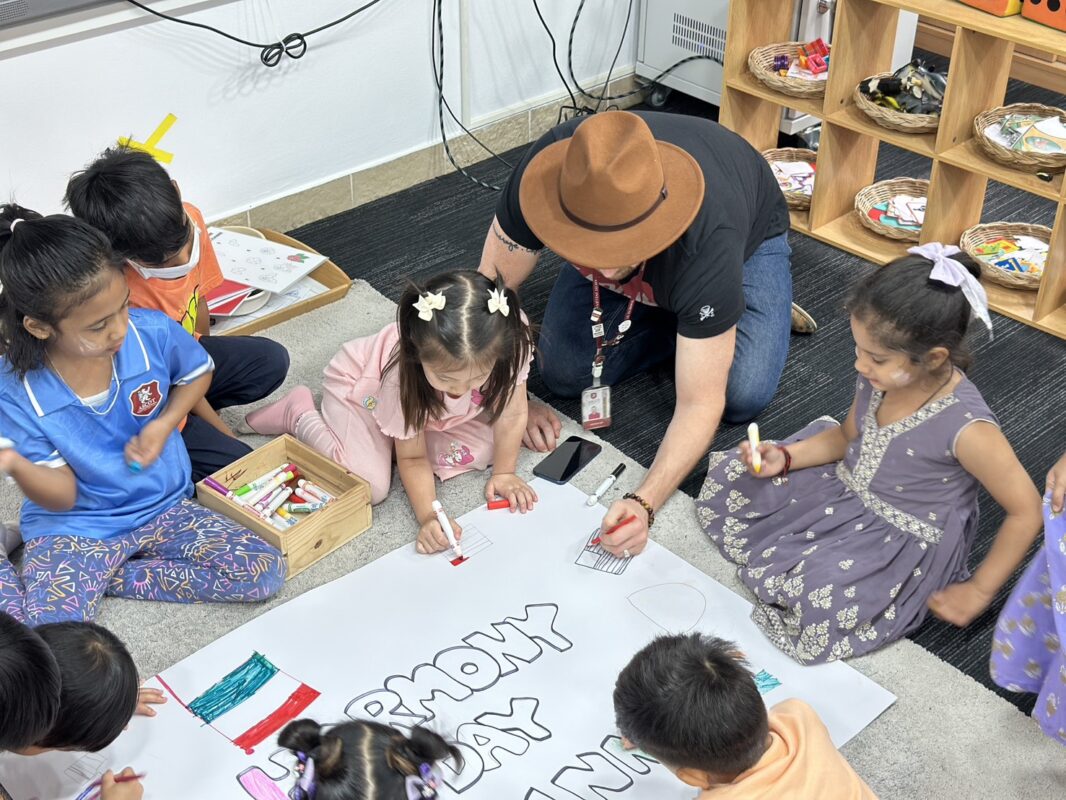
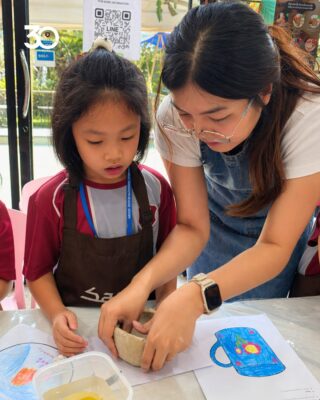
Project-based learning gives students opportunities to explore a question, challenge or idea over a longer period of time.
Rather than always working towards one correct answer, students may need to research information, develop ideas, test solutions, collaborate with others and improve their work.
The process is important.
Students learn that their first idea may not always be their final idea. They may encounter challenges and need to think differently, listen to another perspective or try another approach.
Through this process, students can develop important skills including critical thinking, creativity, communication, collaboration, research and problem-solving.
These are skills that can support students throughout school, university, future careers and everyday life.
Outdoor Learning and Exploration
The environment around students can also become part of their learning.
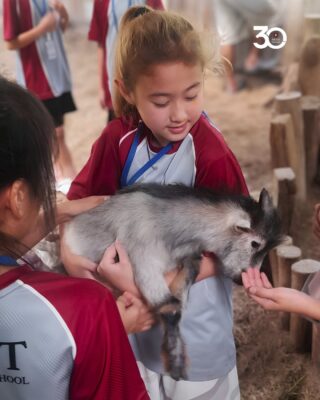
Outdoor learning gives students opportunities to observe, explore and interact with their surroundings in ways that may not always be possible inside a traditional classroom.
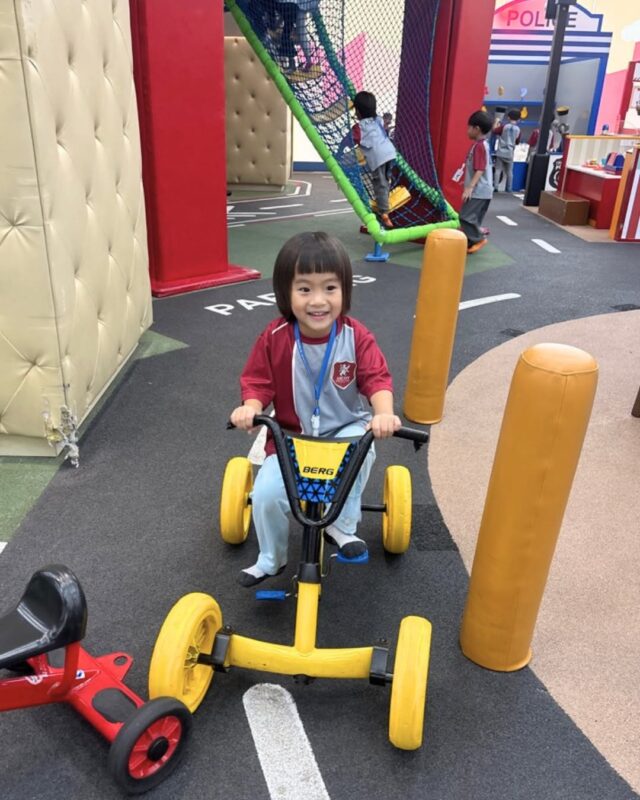
For younger learners, this can include play, exploration, movement and discovering the natural world.
As students grow, outdoor experiences can support scientific investigation, environmental learning, physical wellbeing, creative projects and wider inquiry.
Learning in different environments can encourage curiosity and help students recognise that learning opportunities exist all around them.
Learning Through Community
Real-world learning also means understanding that students are part of a wider community.
Ascot encourages learning experiences that help students develop awareness, responsibility, compassion and empathy.
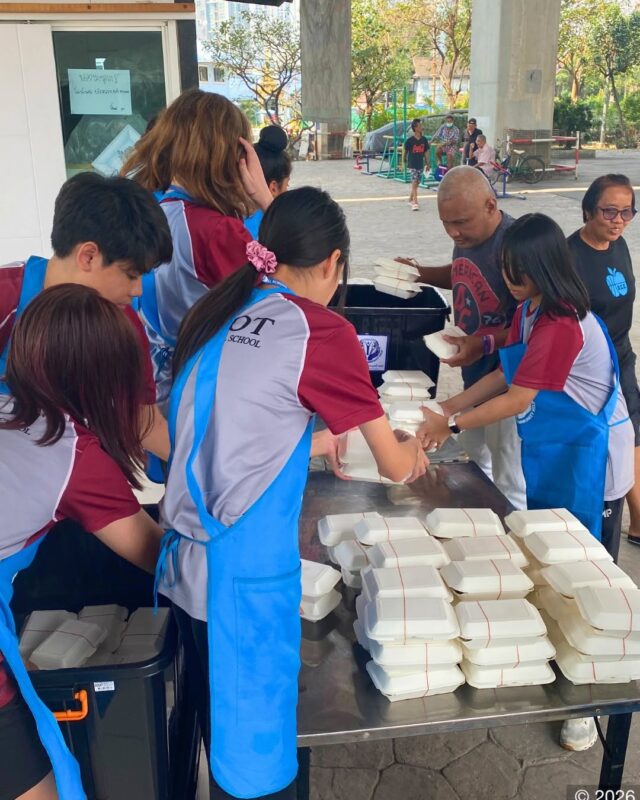
Community engagement can give students opportunities to use their knowledge and skills for a meaningful purpose. They can learn to consider the needs of others, work collaboratively and understand how individual actions can contribute to something larger.
For older students, this becomes particularly visible through experiences such as Creativity, Activity and Service (CAS) and Community Engagement, where students can apply learning in authentic situations and develop leadership, initiative, responsibility and problem-solving skills.
From Knowledge to Action
Learning something and knowing how to use it are not always the same.
That is why real-world application is an important part of learning at Ascot.
A student might understand a scientific concept, but can they use that knowledge during an investigation?
They might understand persuasive language, but can they communicate an idea effectively to a real audience?
They might understand sustainability, but can they identify an environmental challenge and consider possible responses?
These experiences encourage students to move from knowing to doing.
Developing Independent and Curious Learners
Preparing Students to Be World Ready
Experiential and project-based learning also gives students greater ownership of their learning.
Teachers continue to provide guidance, structure and support, but students are encouraged to become active participants.
They ask questions.
They investigate.
They create.
They collaborate.
They reflect.
Over time, these experiences can help students become more confident in approaching unfamiliar situations and more willing to continue learning independently.
The world students will enter after school requires more than the ability to remember information.
Young people will need to communicate with different people, evaluate information, adapt to change, solve unfamiliar problems and work across cultures and disciplines.
At Ascot, our aim is to prepare students to become aware, engaged and world ready.
Learning beyond the classroom plays an important part in that journey.
Through excursions, projects, outdoor learning, community engagement and real-world experiences, students have opportunities to discover how their knowledge connects with life beyond school.
Because education is not only about what students know.
It is also about what they can do with what they know.
At Ascot International School Bangkok, we aim to create meaningful learning experiences that encourage students to explore, question, create and connect their learning with the world around them.
From Early Years through Primary and Secondary, learning is designed to develop curiosity, confidence, skills and a lifelong love of learning.
See learning beyond the classroom.
Discover Ascot International School and experience how meaningful, real-world learning can help prepare students for the future.